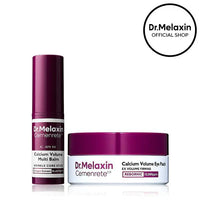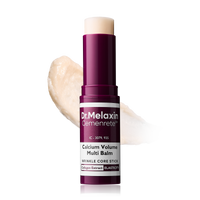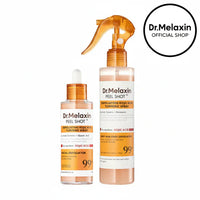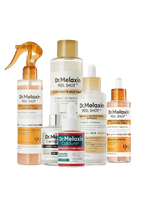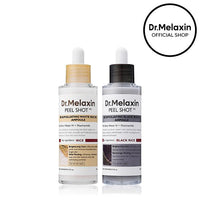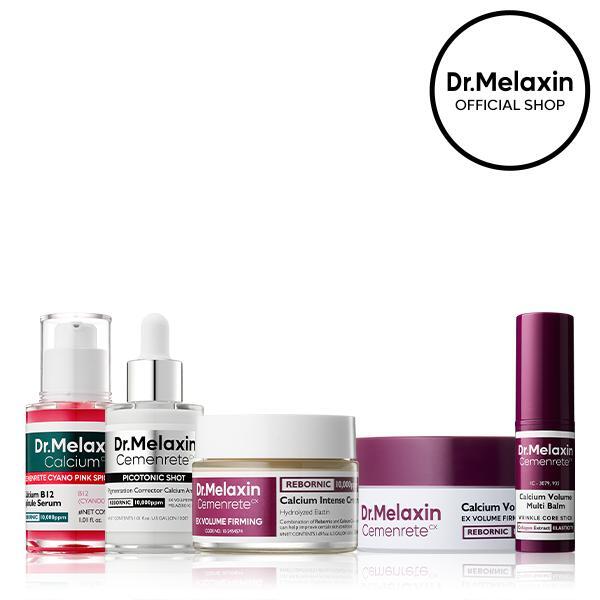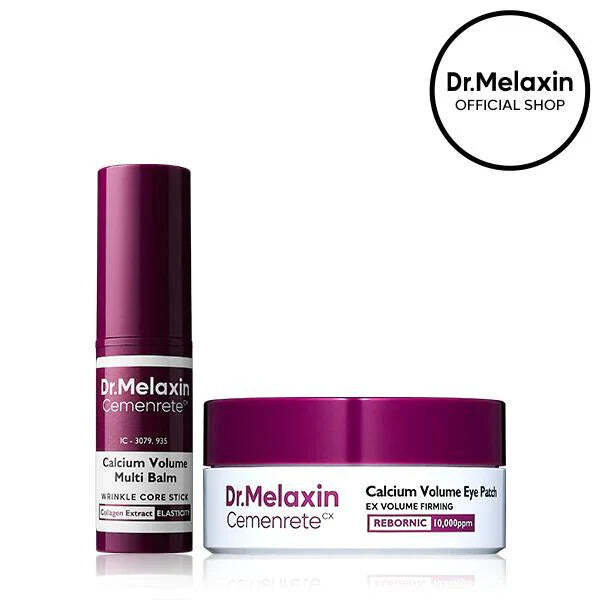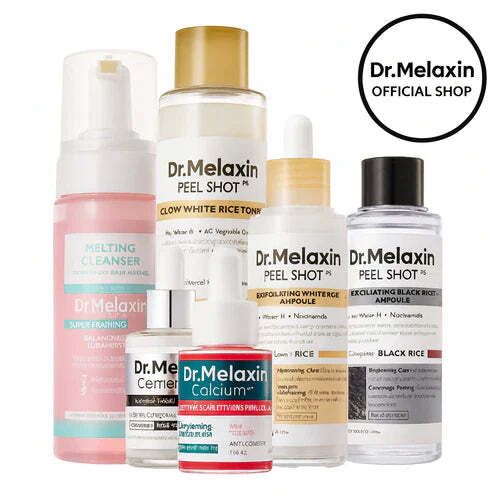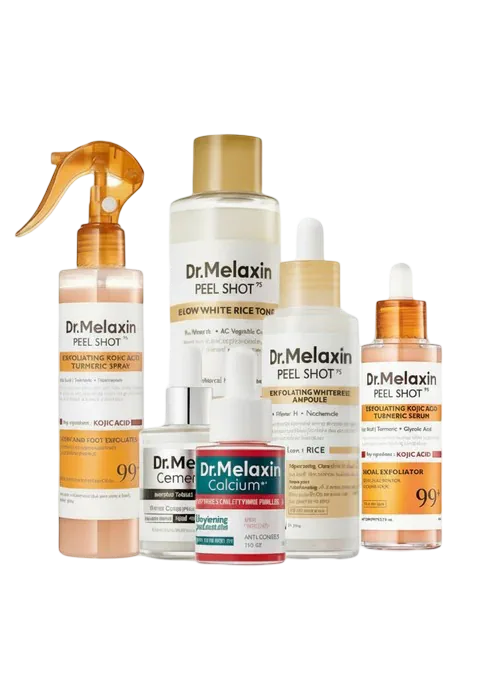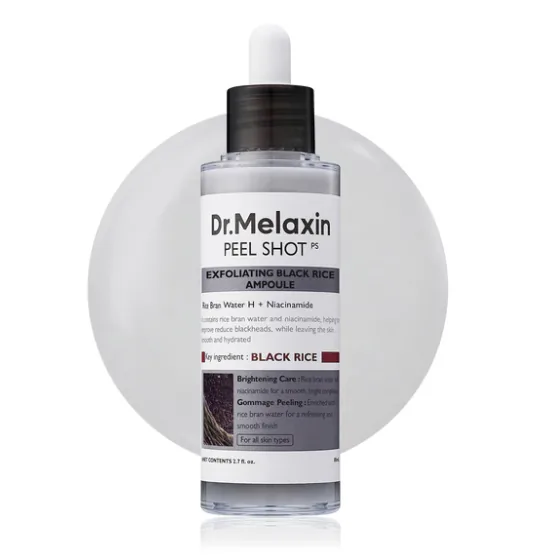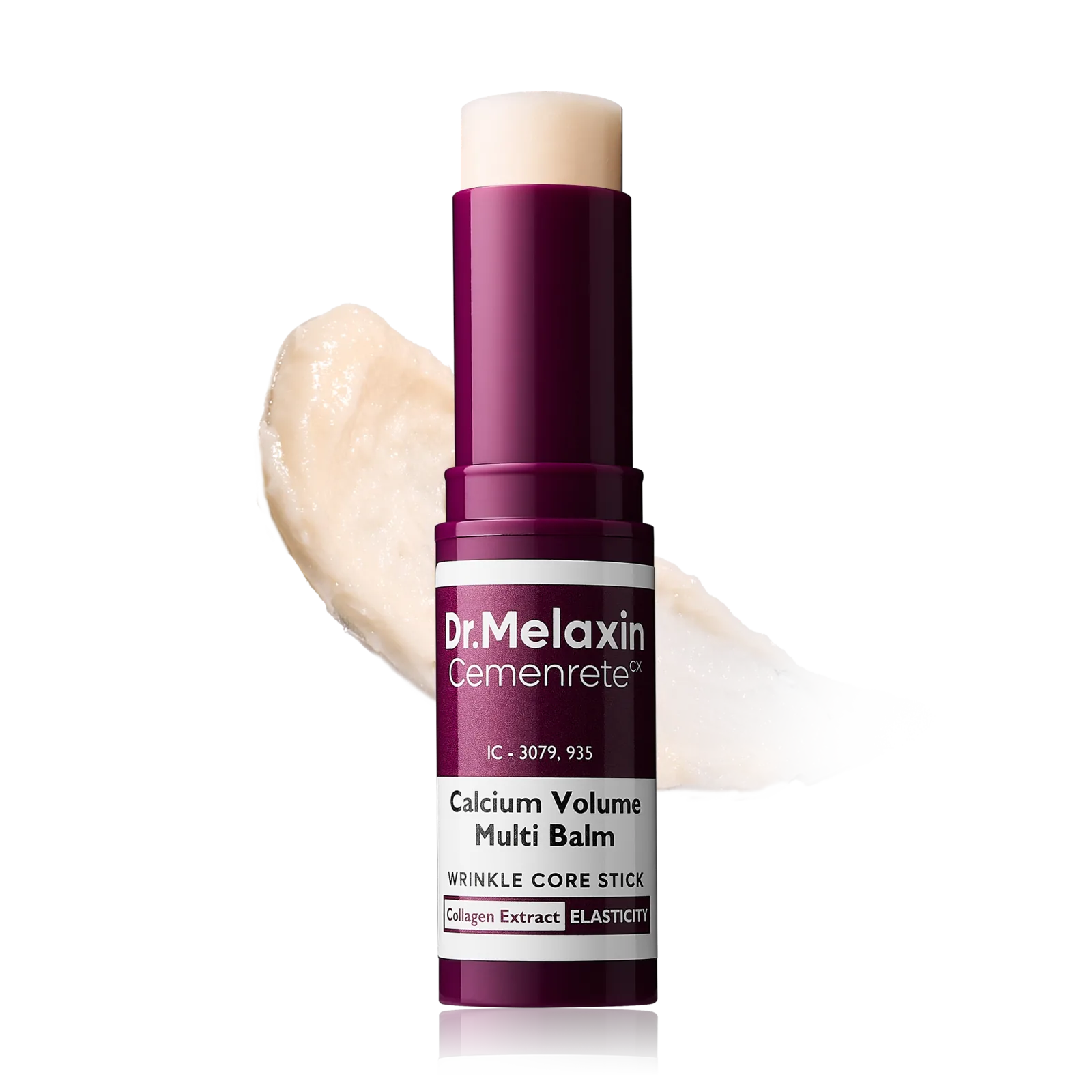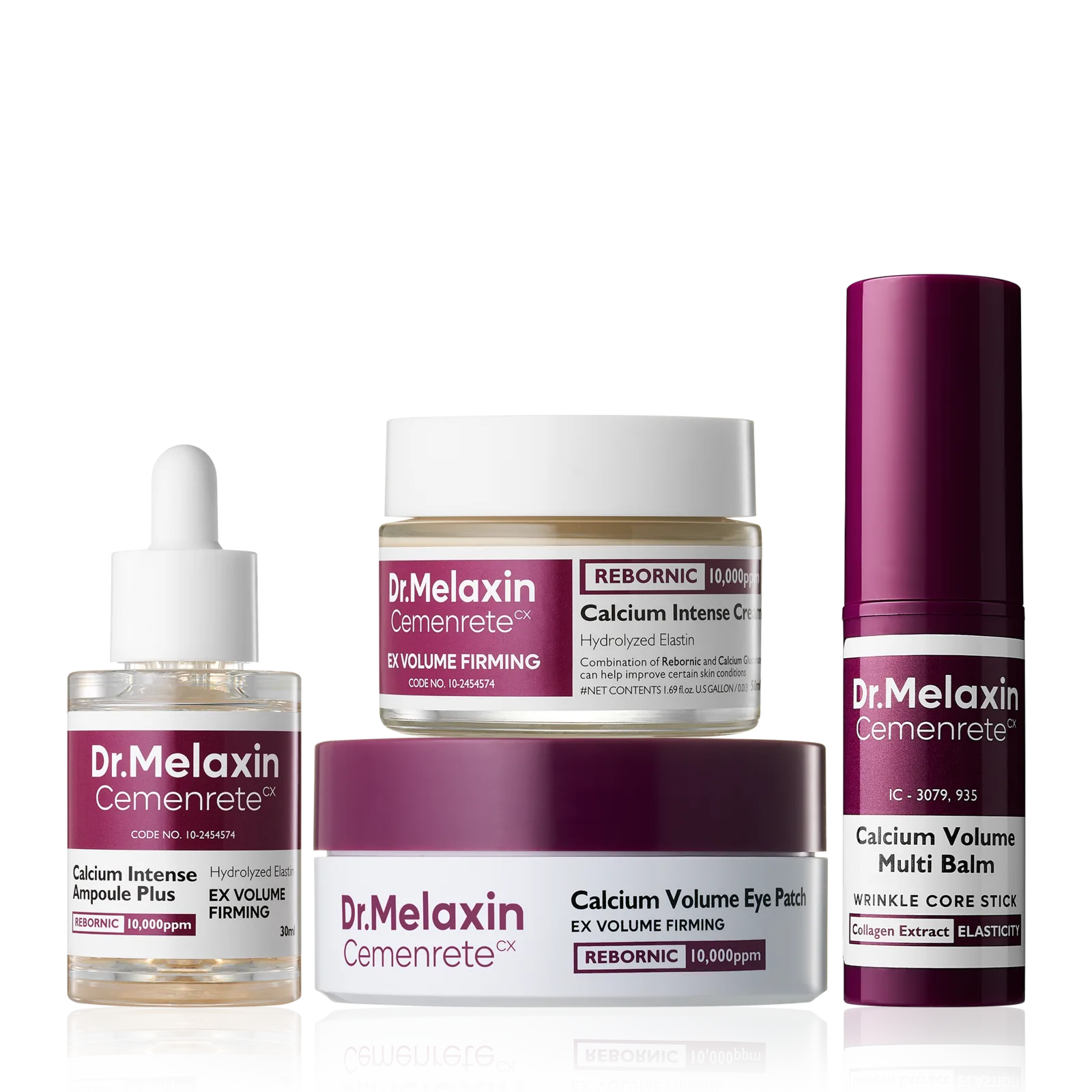
I've tried dozens of Korean skincare products, but Dr. Melaxin's Cemenrete Calcium serum is on another level. My under-eye area looks visibly plumper and the fine lines have softened dramatically after just 3 weeks.
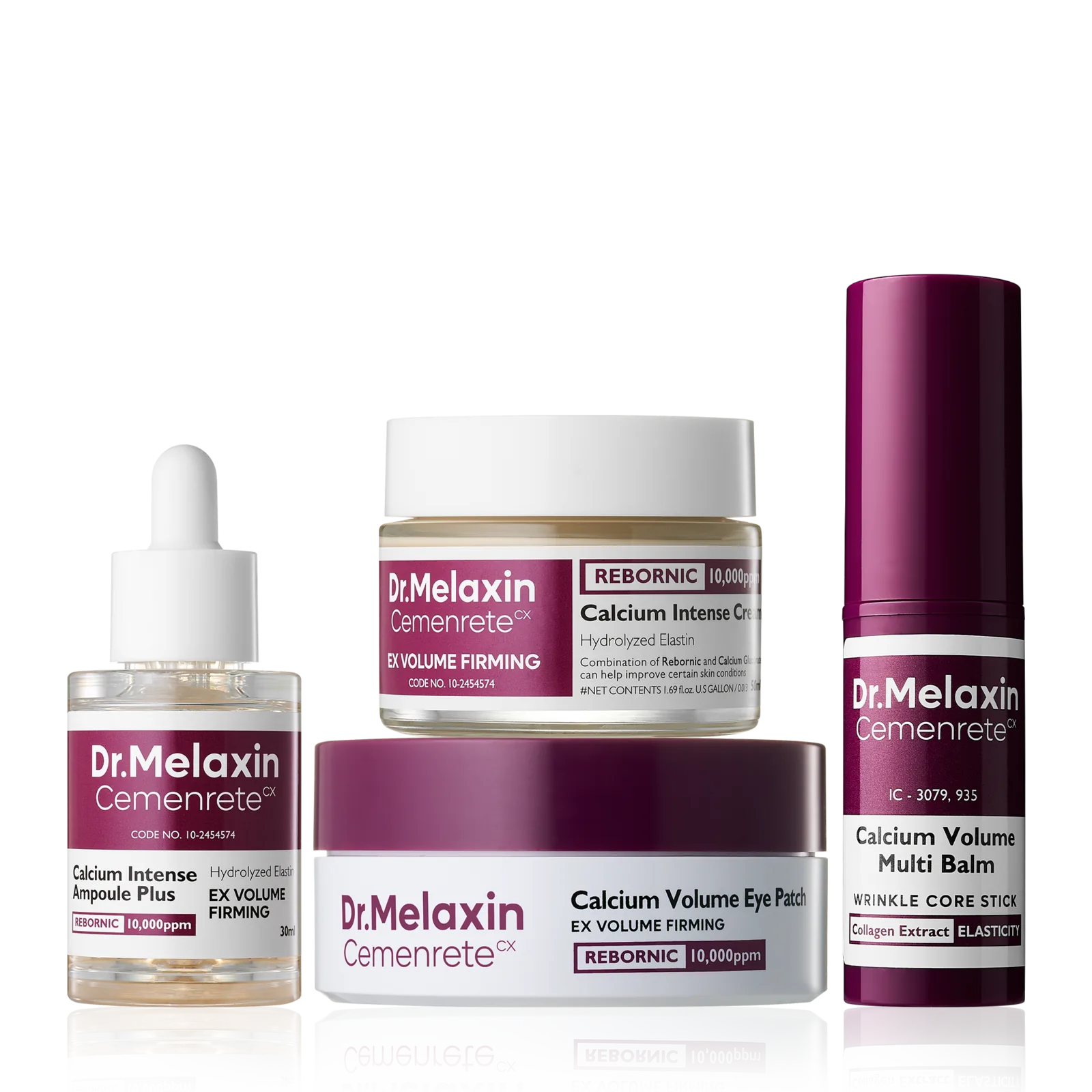
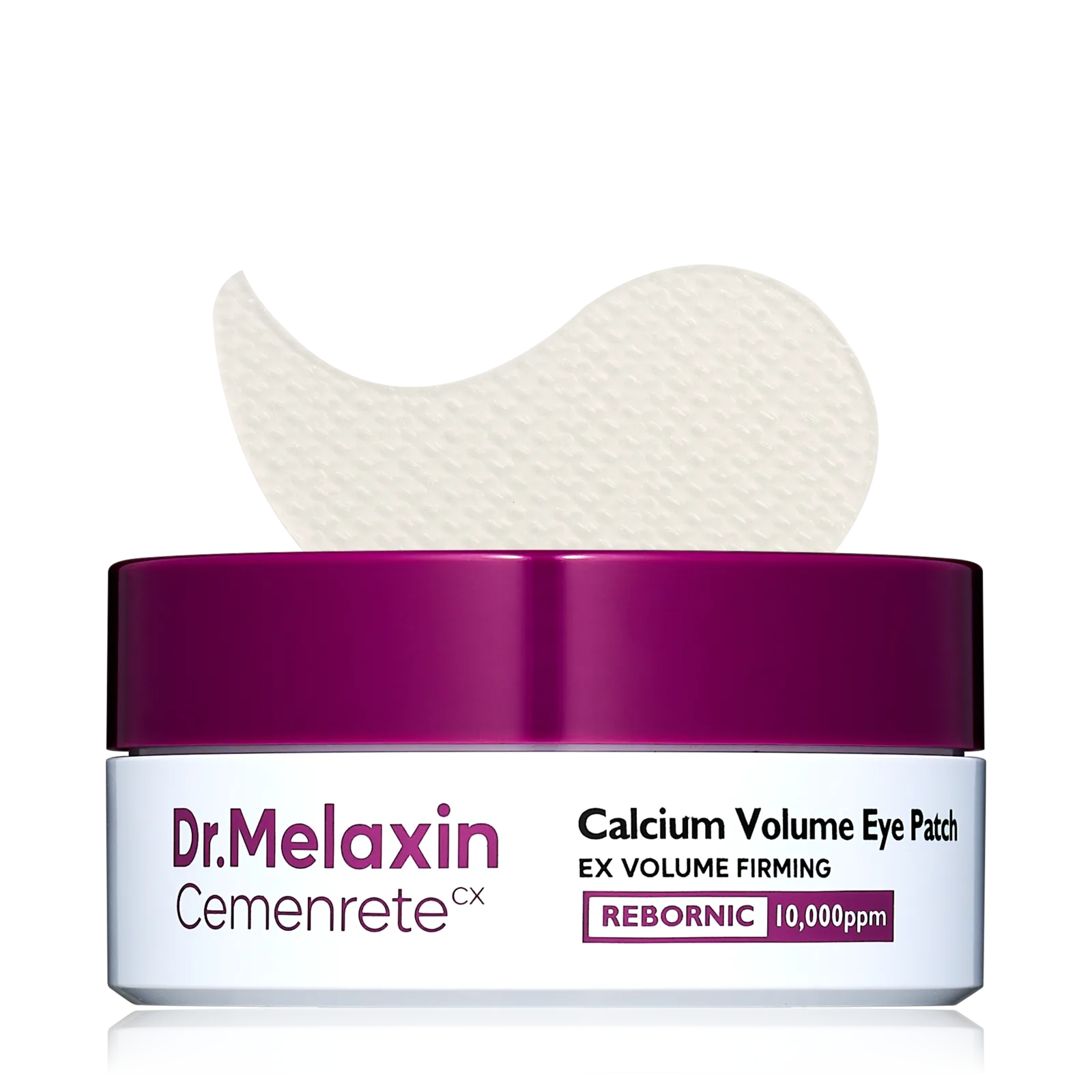
Cemenrete Calcium Serum
$114.99 $174.99
Purchased on February 12
I was skeptical at first, but the results speak for themselves. The Cemenrete Calcium serum combined with the balm is a game-changer for mature skin.
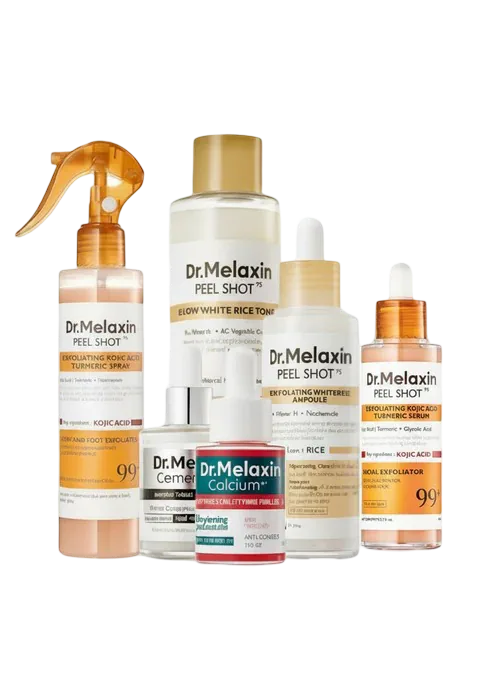
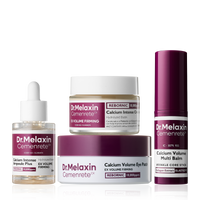
Glass Skin Renewal Kit
$119.99 $249.99
Purchased on January 28
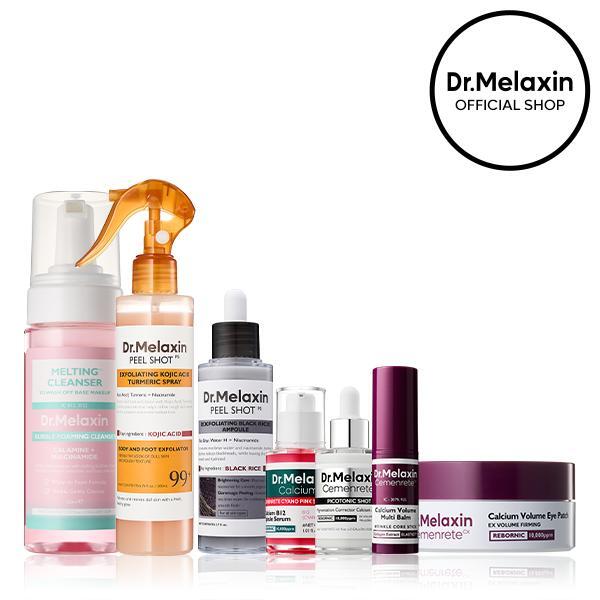
The Glass Skin Kit is amazing! My pores look smaller, my skin is so hydrated, and I get compliments on my complexion every day now.
Glass Skin Renewal Kit
$119.99 $249.99
Purchased on February 5
After trying countless products, Dr. Melaxin finally delivered real results. My under-eye area looks lifted and my skin texture is so smooth.
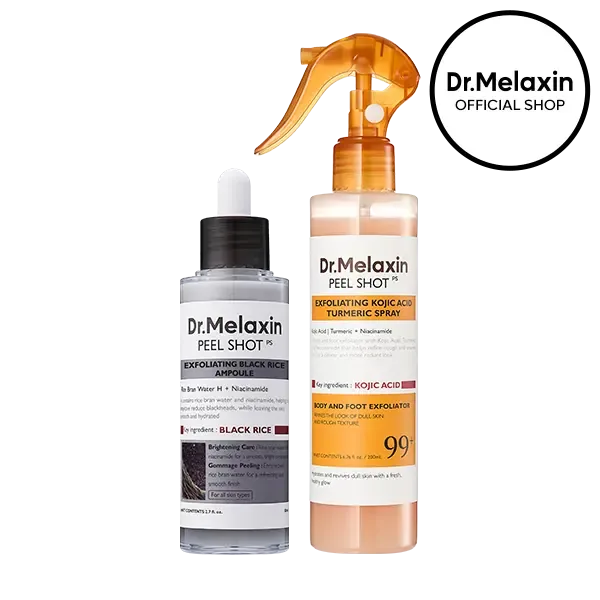
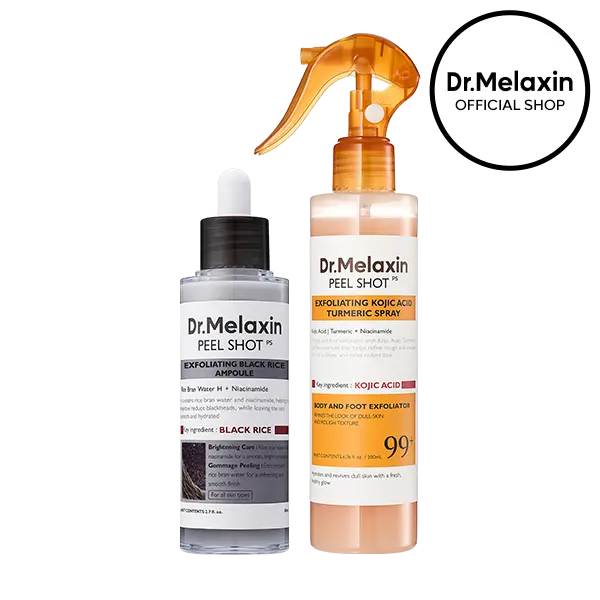
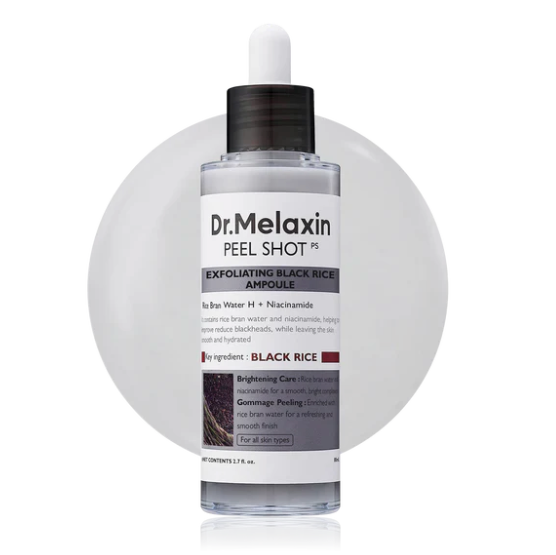
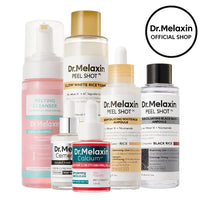
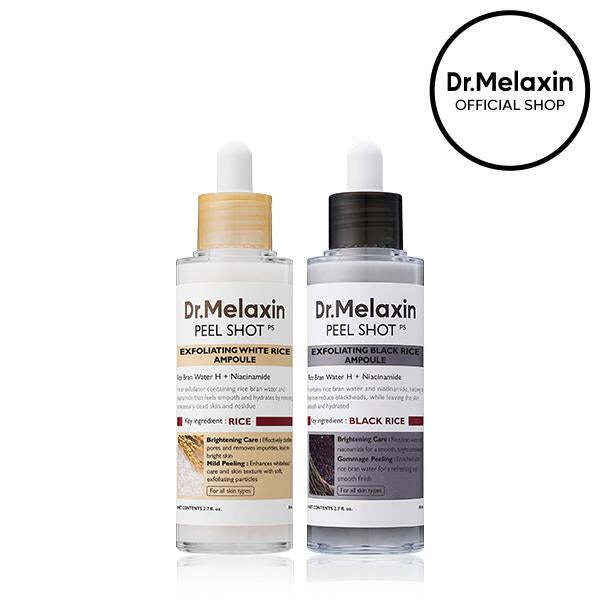
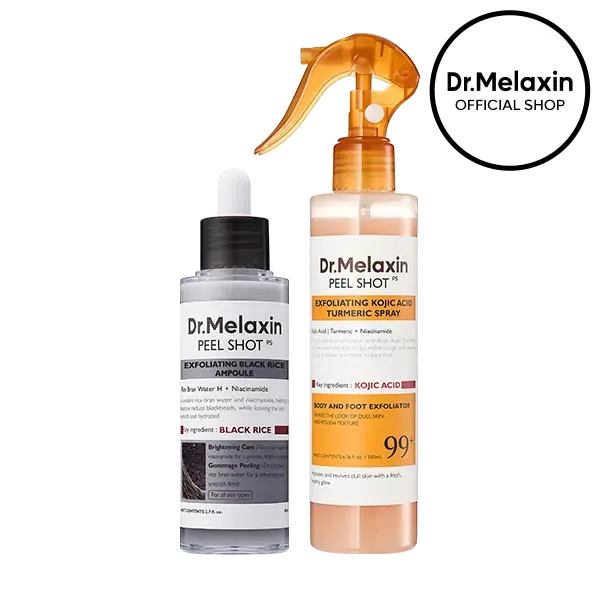
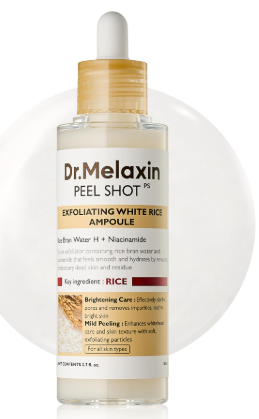
Peel Shot Treatment
$64.99 $124.99
Purchased on January 15
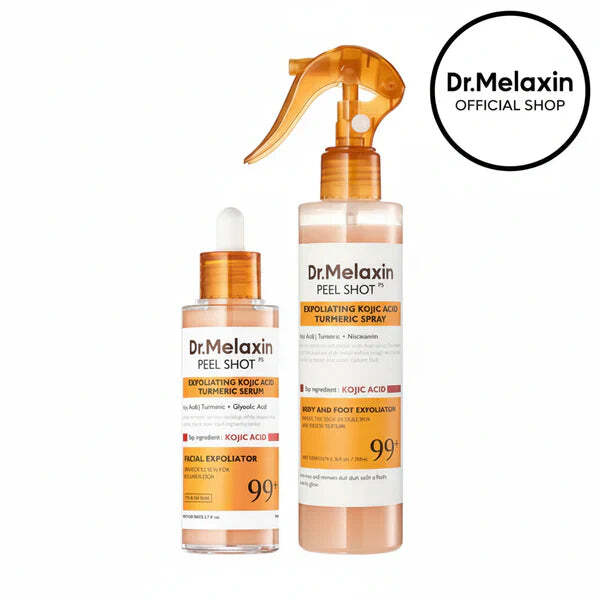
I've been using Dr. Melaxin for 3 months and the transformation is incredible. My husband even noticed the difference — that says it all!
Glass Skin Renewal Kit
$119.99 $249.99
Purchased on December 20
Find answers to common questions about our products and services.
The Dr. Melaxin I Glass Skin Essential Kit includes five essential pieces designed to give your skin a radiant, glass-like finish. Each product is crafted to hydrate, brighten, and enhance your natural glow for stunning results!
Our Glass Skin Renewal Kit features six carefully formulated products that work synergistically to exfoliate, hydrate, and rejuvenate your skin. With regular use, you'll notice a dramatic improvement in texture and brightness, achieving that coveted glass skin effect!
Absolutely! The Radiant Skin Care Balm Set is crafted with gentle, skin-friendly ingredients that soothe and nourish, making it ideal for sensitive skin types. Experience comfort and radiance without irritation!
For optimal results, we recommend incorporating these kits into your daily skincare routine. Use them consistently to fully benefit from their hydrating and brightening properties, paving the way for beautifully radiant skin.
Yes! All our products are cruelty-free and formulated to be safe for all skin types. We prioritize your skin's health, so you can confidently achieve your best glow without compromising your values.
Alpha arbutin serum has quietly become one of the most recommended brightening ingredients among dermatologists — and after ten weeks of testing it against other hyperpigmentation treatments, I understand why it’s earning that reputation. Alpha arbutin serum delivers reliable dark spot fading without the safety concerns of hydroquinone, making it the go-to recommendation for long-term brightening protocols. Here’s my full science-backed analysis.
Alpha arbutin serum inhibits tyrosinase — the enzyme responsible for melanin production — by slowly releasing hydroquinone at safe, controlled levels directly at the skin’s surface. At 2% concentration, clinical studies show alpha arbutin reduces melanin synthesis by up to 40% without the cytotoxic risks associated with prescription hydroquinone.
Alpha arbutin (4-hydroxyphenyl-α-D-glucopyranoside) is a biosynthetic glycoside — a sugar molecule bonded to hydroquinone. When applied to skin, enzymes in the epidermis gradually cleave this bond, releasing hydroquinone in micro-doses directly where melanin production occurs. This controlled-release mechanism is what makes alpha arbutin safer than applying hydroquinone directly.
Beta arbutin is the naturally occurring form found in bearberry, cranberry, and mulberry plants. It’s cheaper to produce but significantly less effective — roughly 10x weaker in tyrosinase inhibition studies. Most clinical research supporting arbutin’s brightening efficacy uses the alpha form. When shopping for an arbutin serum, always verify it specifies “alpha arbutin” — products listing only “arbutin” typically contain the weaker beta form.
The comparison to hydroquinone is important because hydroquinone has been the gold standard for treating hyperpigmentation since the 1960s. But hydroquinone comes with serious drawbacks: it’s directly cytotoxic to melanocytes (kills pigment cells), must be cycled on and off every 3 months, and long-term use can cause a permanent side effect called exogenous ochronosis — paradoxical darkening of the skin. Alpha arbutin achieves similar melanin inhibition through a gentler mechanism that doesn’t carry these risks.
For a comprehensive overview of all brightening mechanisms, including how alpha arbutin fits into the larger picture, check my brightening serum guide.
Understanding the biochemistry helps you use this ingredient more effectively. Melanin production (melanogenesis) starts when the enzyme tyrosinase converts the amino acid L-tyrosine into L-DOPA, then into dopaquinone, which eventually polymerizes into melanin. Tyrosinase requires copper in its active site to function.
Alpha arbutin competes with L-tyrosine for binding to tyrosinase’s active site. When arbutin occupies this site, L-tyrosine can’t bind, and melanin production stalls. This is called competitive inhibition — the arbutin doesn’t destroy the enzyme; it just blocks it. As long as arbutin concentrations remain sufficient at the melanocyte level, melanin output drops consistently.
The controlled hydroquinone release provides a secondary mechanism: the hydroquinone molecules released from alpha arbutin are present at concentrations of roughly 0.01-0.05% — far below the 2-4% in prescription formulations, but enough to provide additional tyrosinase inhibition without the cytotoxic effects. It’s a remarkably elegant delivery system. This dual mechanism — competitive inhibition plus controlled HQ release — is why alpha arbutin consistently outperforms pure botanical alternatives like licorice root or mulberry extract in head-to-head studies.
I used a 2% alpha arbutin serum twice daily (morning and evening) on three specific pigmentation targets: a post-acne mark on my left cheek, a sun spot on my right temple, and general uneven tone across my forehead. I maintained consistent SPF 50+, used the Peel Shot bio-spicule treatment twice weekly for exfoliation, and photographed under standardized lighting every Sunday.
No visible brightening changes, which is expected — alpha arbutin needs time to reduce melanin output, and existing pigmented keratinocytes need to shed through natural turnover. The product layered well under my moisturizer and SPF without pilling. No irritation, no tingling, no adverse reactions. This is one of alpha arbutin’s key selling points — it’s essentially invisible in a routine.
The post-acne mark began visibly lightening around week four — roughly 20% reduction in visibility compared to baseline photos. The sun spot was slower to respond (deeper pigmentation), showing maybe 10% improvement. My overall forehead tone was noticeably more even. I was simultaneously using niacinamide in the morning, which likely contributed to the melanosome transfer inhibition.
By week ten, the post-acne mark was approximately 55% faded. The sun spot had reduced by about 30%. Forehead tone was significantly more uniform — the “blotchy” appearance that had been my baseline was largely resolved. These results were competitive with my previous experience using 4% hydroquinone, but without any of the redness, sensitivity, or rebound hyperpigmentation that hydroquinone can cause.
Morning: Cleanser → Toner → Alpha Arbutin Serum → Vitamin C serum (synergistic pairing) → Moisturizer → SPF 50+
Evening: Double Cleanse → Toner → Exfoliation (2-3x/week with bio-spicule treatment or chemical exfoliant) → Wait 15 min → Alpha Arbutin Serum → TX Cream or night moisturizer
Alpha Arbutin + Vitamin C: Both inhibit tyrosinase through different mechanisms — arbutin through competitive inhibition, vitamin C through copper chelation. Together they provide roughly 60-70% greater melanin reduction than either alone. This is the brightening power couple.
Alpha Arbutin + Niacinamide: While arbutin reduces melanin production, niacinamide blocks the transfer of existing melanosomes to keratinocytes. This production-plus-distribution approach addresses hyperpigmentation at two different stages simultaneously.
Alpha Arbutin + Exfoliation: Regular exfoliation with bio-spicule treatments or AHAs removes pigmented surface cells faster, making room for the less-pigmented cells that alpha arbutin is helping create underneath. This combination noticeably accelerated my results — the weeks I exfoliated showed faster visible improvement than weeks I skipped exfoliation.
| Feature | Alpha Arbutin | Hydroquinone | Kojic Acid | Tranexamic Acid |
|---|---|---|---|---|
| Mechanism | Competitive inhibition + controlled HQ | Melanocyte cytotoxicity | Copper chelation | Plasmin pathway block |
| Long-term Safety | Excellent | Poor (cycling required) | Good | Excellent |
| Speed of Results | Moderate (4-8 weeks) | Fast (2-4 weeks) | Moderate (4-8 weeks) | Moderate (4-6 weeks) |
| Best For | General dark spots, PIH | Severe, resistant spots | PIH, sun damage | Melasma, hormonal spots |
The ideal approach for stubborn pigmentation is combining alpha arbutin with kojic acid and tranexamic acid — three independent pathways hitting melanin production from every angle. This triple approach is what I’ve seen produce the fastest, most complete results in my testing.
Skipping SPF: This bears constant repetition. Alpha arbutin reduces your skin’s natural UV protection by reducing melanin output. Without consistent SPF 50+, sun exposure creates new pigmentation faster than arbutin can fade it. Your brightening routine is only as good as your sun protection.
Wrong concentration: Products marketed as “alpha arbutin serum” range from 0.1% to 5%. Below 1%, you won’t see meaningful results. Above 2%, irritation risk increases without proportional benefit. The clinical sweet spot is 2%.
Expecting overnight results: Alpha arbutin works through melanin production inhibition, which means visible results depend on natural skin cell turnover — roughly 28-42 days for a full cycle. Plan for at least 8 weeks before judging efficacy. Accelerate with regular exfoliation.
Alpha arbutin stability is generally better than kojic acid or vitamin C, but product quality still matters. Look for serums from brands with clinical-grade formulation practices. The Dr. Melaxin collection features brightening products with proven active ingredient concentrations. For a broader brightening approach, consider combining alpha arbutin with the TX Ampoule Rx for multi-pathway treatment. Always verify authenticity through the verification guide.
Alpha arbutin serum is the most elegant brightening ingredient available — a controlled-release hydroquinone delivery system that provides clinical-grade dark spot fading without the safety baggage of prescription hydroquinone. My 10-week test confirmed results competitive with HQ but sustainable long-term. Combine with vitamin C, niacinamide, and consistent exfoliation for a brightening routine that delivers visible results safely.
No. Alpha arbutin is a glycoside that releases hydroquinone in controlled micro-doses at the skin level. The concentrations released are roughly 100x lower than prescription hydroquinone, making it significantly safer for long-term use. Think of it as a time-release delivery system rather than the raw ingredient itself.
Yes — twice daily application (morning and evening) is both safe and recommended for optimal results. Alpha arbutin is one of the gentlest brightening actives available, with no need for cycling or “rest days.” Pair with SPF in the morning without exception.
Alpha arbutin can help with melasma but works best as part of a combination approach. For hormonal melasma specifically, tranexamic acid is more targeted because it addresses the inflammatory signaling pathway that drives melasma. Combining alpha arbutin with TXA and consistent exfoliation via bio-spicule treatments gives the most comprehensive melasma management protocol.
2% is the clinical sweet spot — strong enough for measurable melanin reduction, gentle enough for twice-daily long-term use. Studies show minimal additional benefit above 2%, with increased irritation risk at higher concentrations. Avoid products that don’t specify their percentage.
Have a question or need assistance? We'd love to hear from you.