Tranexamic acid serum changed my approach to hyperpigmentation treatment entirely. After twelve weeks of testing this ingredient — which originated as a pharmaceutical blood-clotting agent — I'm convinced it's the single most effective topical brightener for melasma and inflammation-driven dark spots. I've used hydroquinone, vitamin C, arbutin, and kojic acid extensively. Tranexamic acid outperformed them all on my most stubborn pigmentation. Here's the full science.
Quick Answer: Does Tranexamic Acid Serum Work for Dark Spots?
Tranexamic acid serum works exceptionally well for dark spots — particularly melasma and post-inflammatory hyperpigmentation. It inhibits melanin production by blocking the plasminogen/plasmin pathway that triggers melanocyte activation after UV exposure or inflammation. Clinical trials show 60%+ improvement in melasma severity within 12 weeks at topical concentrations of 2-5%.
Key Takeaways
- Unique mechanism of action — TXA blocks the plasmin pathway, addressing a melanin trigger that no other topical ingredient targets
- Melasma specialist — Particularly effective for hormonal and UV-triggered melasma where other brighteners struggle
- Safe for all skin tones — Unlike hydroquinone, TXA carries no risk of paradoxical darkening or ochronosis in darker skin tones
- From pharmacy to skincare — 50+ years of pharmaceutical safety data gives dermatologists confidence in long-term topical use
Quick Links
- Dr. Melaxin TX Cream — Clinical TXA Treatment
- TX Ampoule Rx — Concentrated TXA Formula
- TX Cream Product
- Brightening Serum Guide
- Alpha Arbutin Serum Guide
- Kojic Acid Serum Guide
- Full Dr. Melaxin Collection
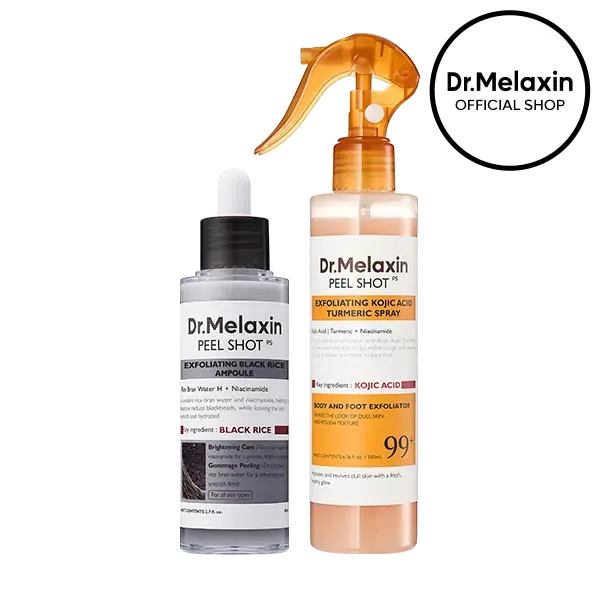
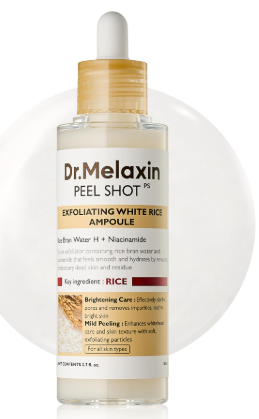
- Peel Shot Treatment
The Pharmacology of Tranexamic Acid in Skincare
Tranexamic acid (trans-4-aminomethylcyclohexanecarboxylic acid) was developed in 1962 by Japanese researchers Shosuke and Utako Okamoto as a synthetic lysine analog for treating excessive bleeding. It works by inhibiting plasminogen activator, which prevents plasmin formation. In medicine, this stops fibrin breakdown and controls hemorrhage. But in dermatology, this same mechanism has a remarkable secondary effect.
Here's the connection: when skin is exposed to UV radiation or experiences inflammation (from acne, injury, or hormonal fluctuations), keratinocytes release plasminogen activator. The resulting plasmin activates melanocyte-stimulating pathways — essentially telling your melanocytes to ramp up pigment production as a protective response. This is why sun exposure darkens melasma patches and why post-acne marks often worsen before they fade.
Tranexamic acid interrupts this cascade at the source. By blocking plasminogen activator, it prevents the inflammatory signal from ever reaching melanocytes. This makes it uniquely effective for inflammation-driven pigmentation — melasma, PIH, and UV-triggered darkening — because it addresses the trigger, not just the enzyme. Other brighteners like alpha arbutin and kojic acid inhibit tyrosinase after the activation signal has already been sent. TXA stops the signal from being sent in the first place.
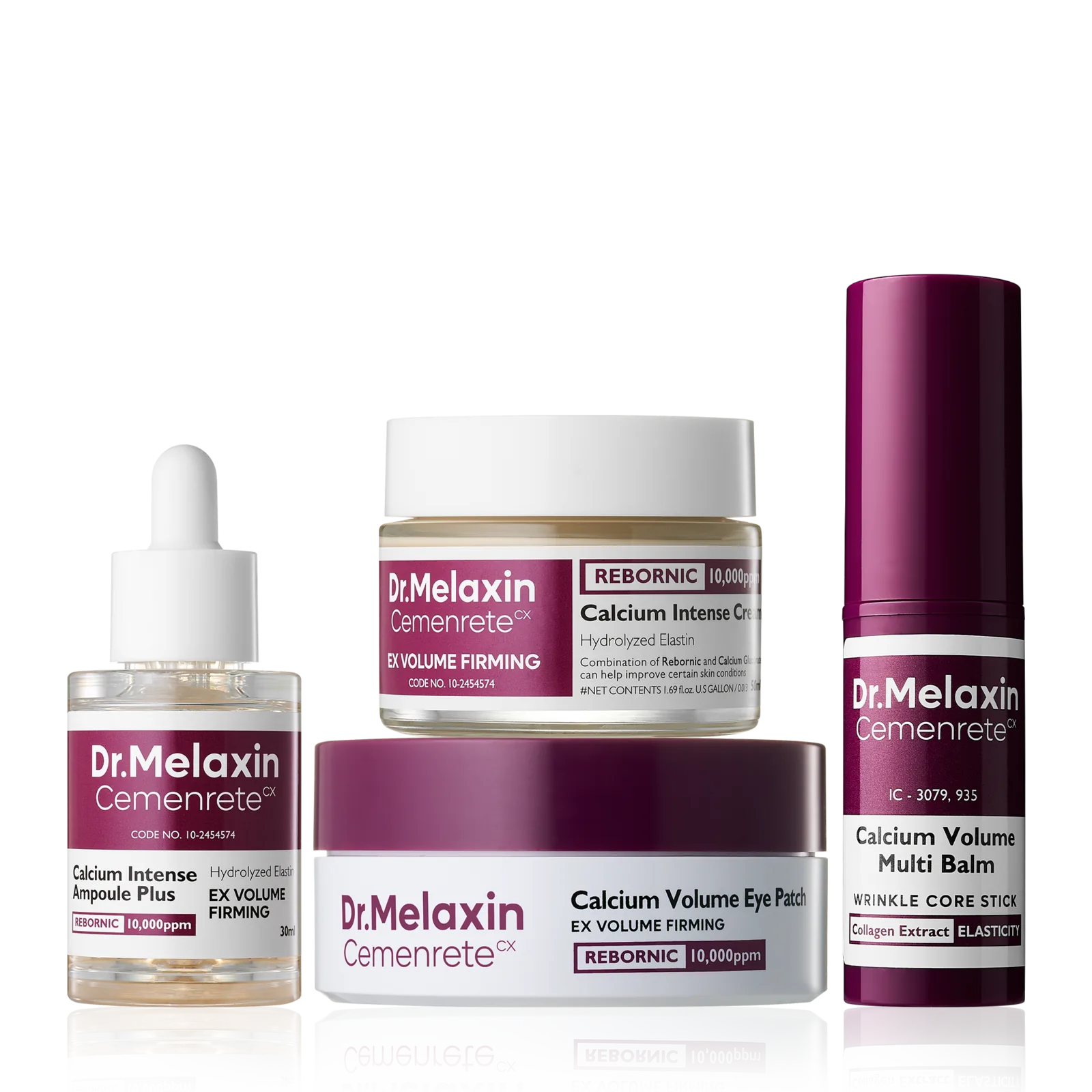
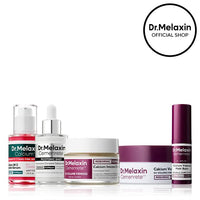
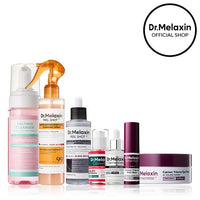
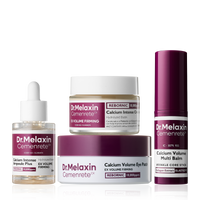
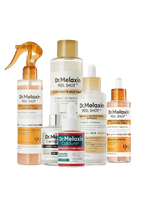
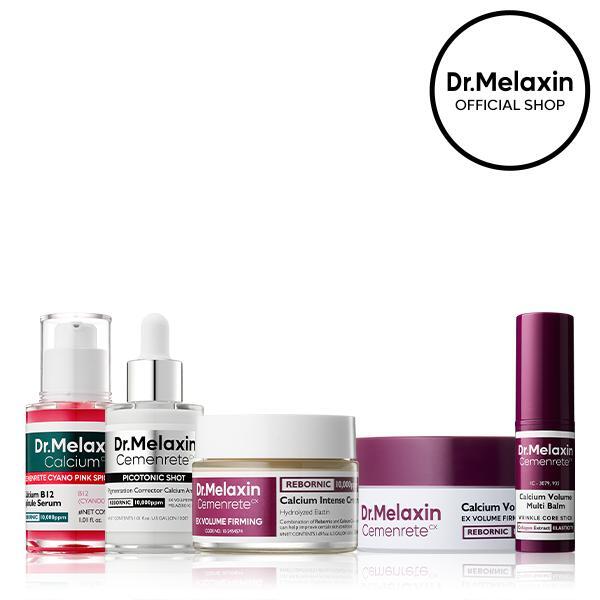
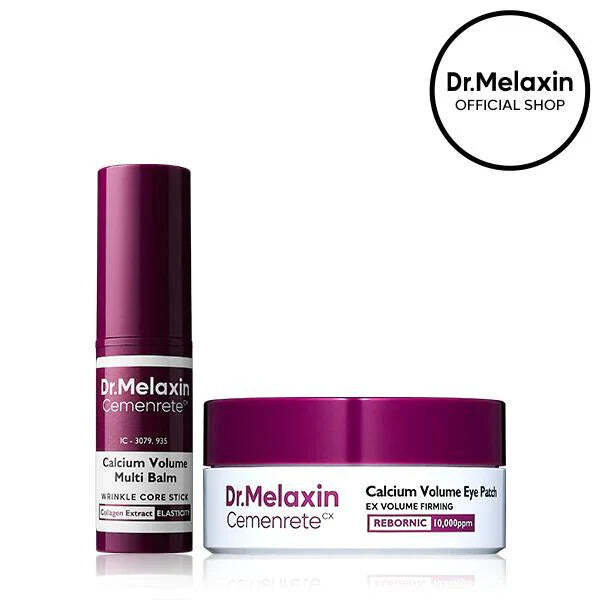
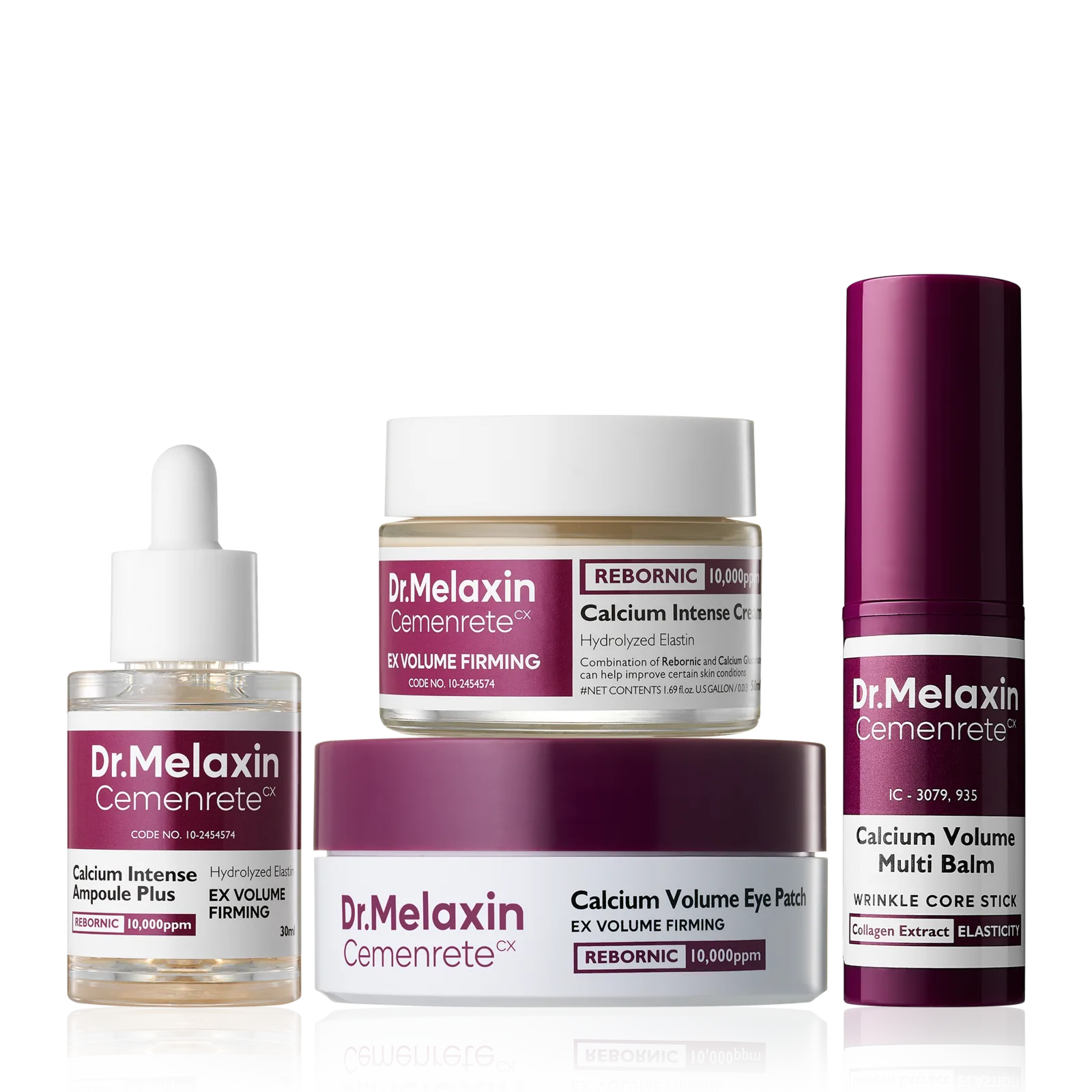
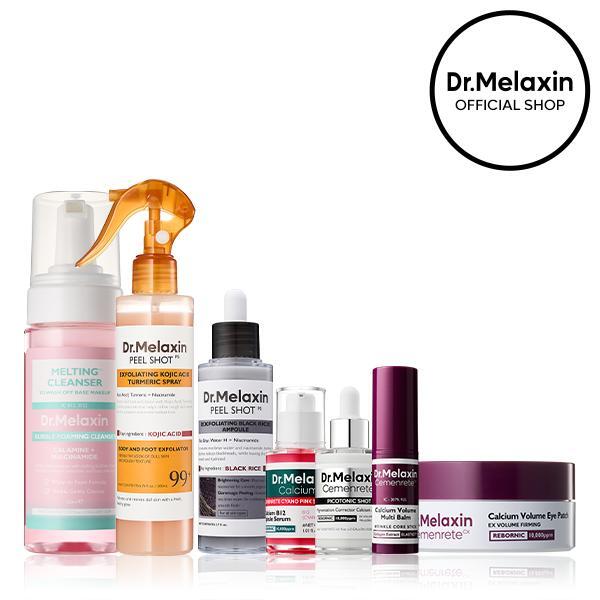
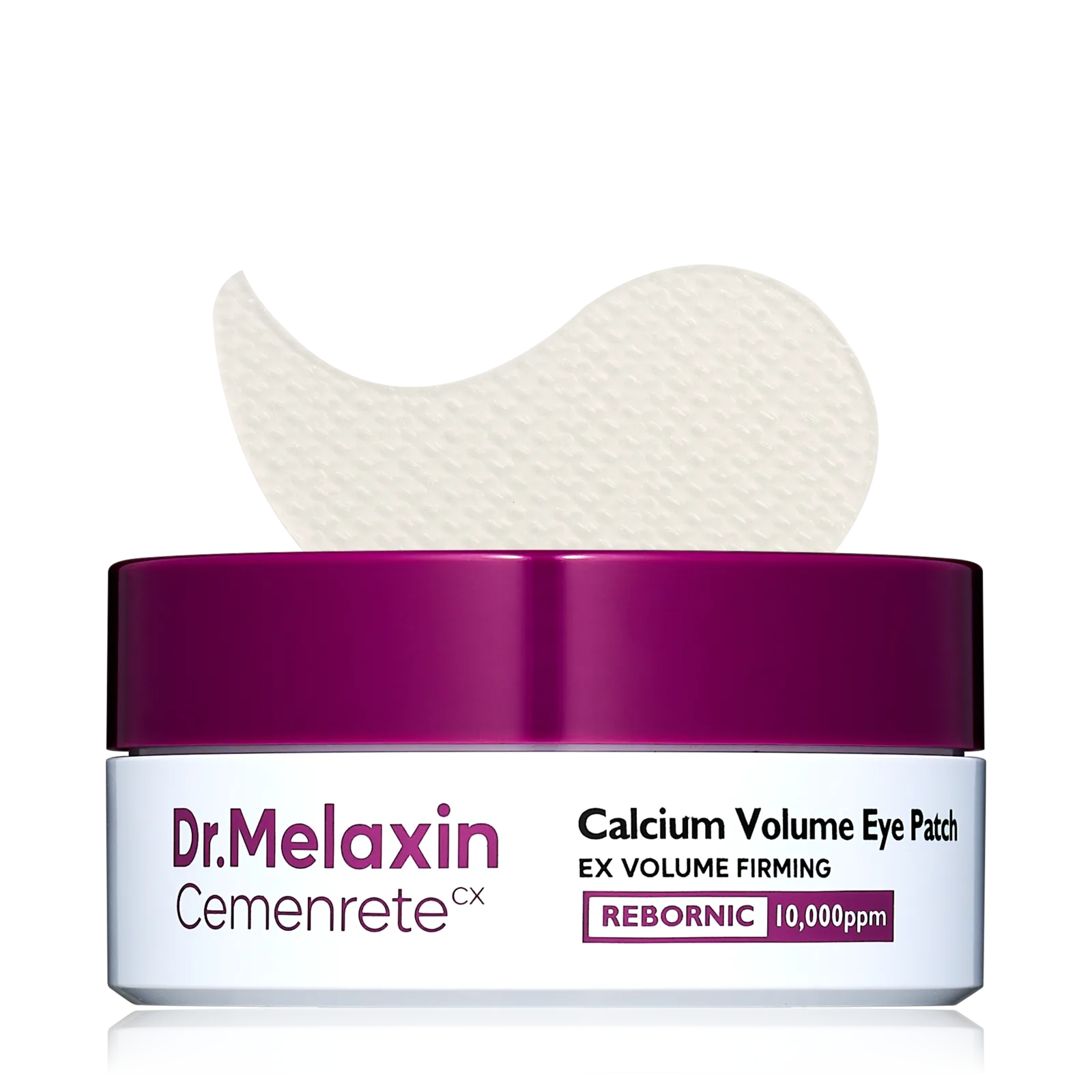
Dr. Melaxin's entire TX line — the TX Cream, TX Ampoule Rx, and associated eye care products — was built around this tranexamic acid mechanism, combined with complementary Korean skincare technologies for enhanced delivery.
Why Dermatologists Are Recommending TXA Over Hydroquinone
The shift in dermatological practice away from hydroquinone and toward tranexamic acid has been accelerating since 2015, driven by several factors:
Safety profile: Hydroquinone is directly cytotoxic to melanocytes and must be limited to 3-month treatment cycles with mandatory breaks. TXA has no such restriction — pharmaceutical data spanning 50+ years shows excellent long-term safety for both oral and topical use.
Rebound risk: When hydroquinone is discontinued, many patients experience rebound hyperpigmentation — the dark spots return darker than before because melanocytes compensate for the chemical suppression. TXA shows no rebound effect in clinical studies because it doesn't damage melanocytes; it simply modulates the activation signal.
Skin tone inclusivity: Hydroquinone carries a particular risk for skin of color — paradoxical ochronosis (permanent blue-gray darkening) disproportionately affects Fitzpatrick types IV-VI. TXA has shown consistent safety and efficacy across all skin tones in multi-ethnic clinical trials.
Combination friendliness: TXA pairs safely with virtually every other skincare active — vitamin C, niacinamide, retinoids, AHAs, bio-spicule treatments. Hydroquinone has more interaction restrictions and increases sensitivity to other actives.
My 12-Week Tranexamic Acid Testing Results
The Challenge: Stubborn Melasma
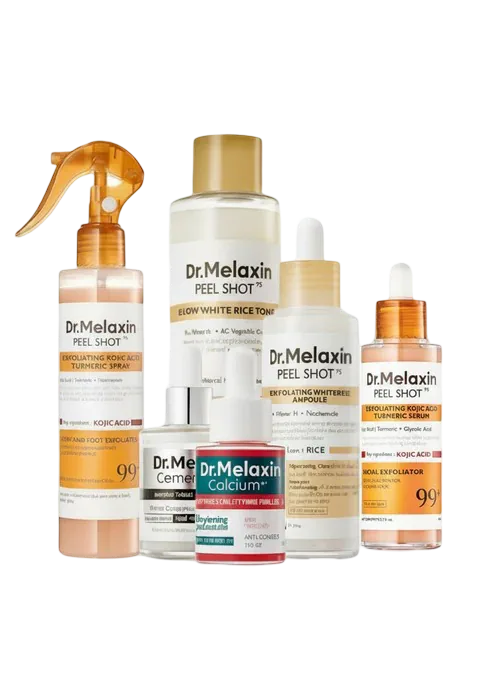
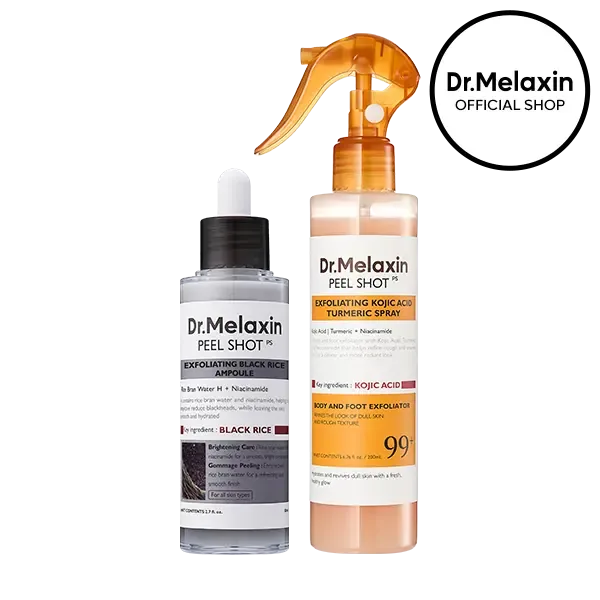
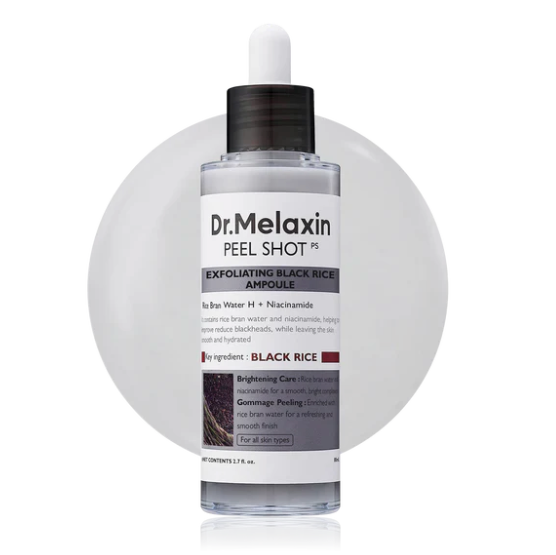
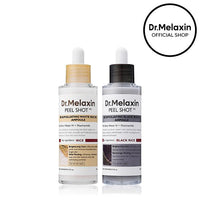
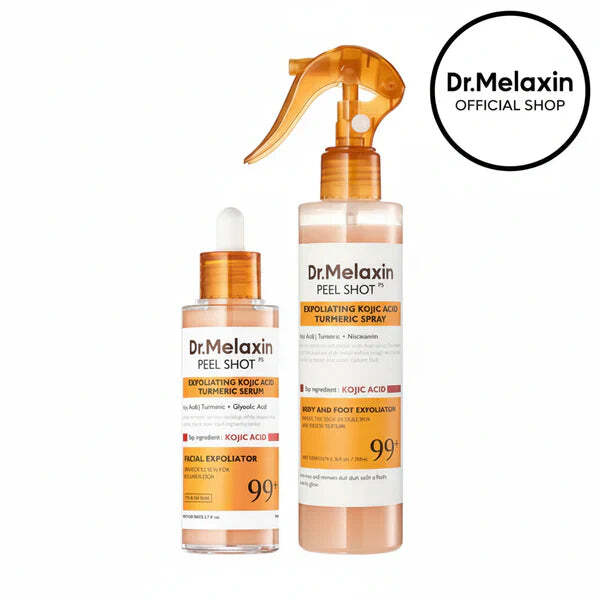
I specifically chose to test TXA on melasma patches that had resisted 16 weeks of hydroquinone + vitamin C treatment. These were hormonal melasma patches on my upper cheeks — the type that dermatologists consider among the most difficult to treat. I used the TX Ampoule Rx twice daily, paired with weekly Peel Shot bio-spicule treatments for enhanced penetration.
Week 1-4: Gradual Onset
TXA is not a fast-acting ingredient — the signal modulation needs time to reduce melanocyte activity and allow existing pigmented cells to shed. During this phase, I noticed improved overall skin tone clarity, but the melasma patches themselves showed only subtle lightening. The TX Cream layered on top provided excellent overnight hydration.
Week 5-8: Significant Progress
Week five was where I first noticed clear, undeniable improvement. The melasma patches had lightened approximately 35% compared to baseline photos. More importantly, new patches weren't forming despite regular sun exposure (with SPF 50+) — the TXA was successfully blocking the UV-triggered activation signal. This prevention effect was something hydroquinone had never achieved for me.
Week 9-12: Transformative Results
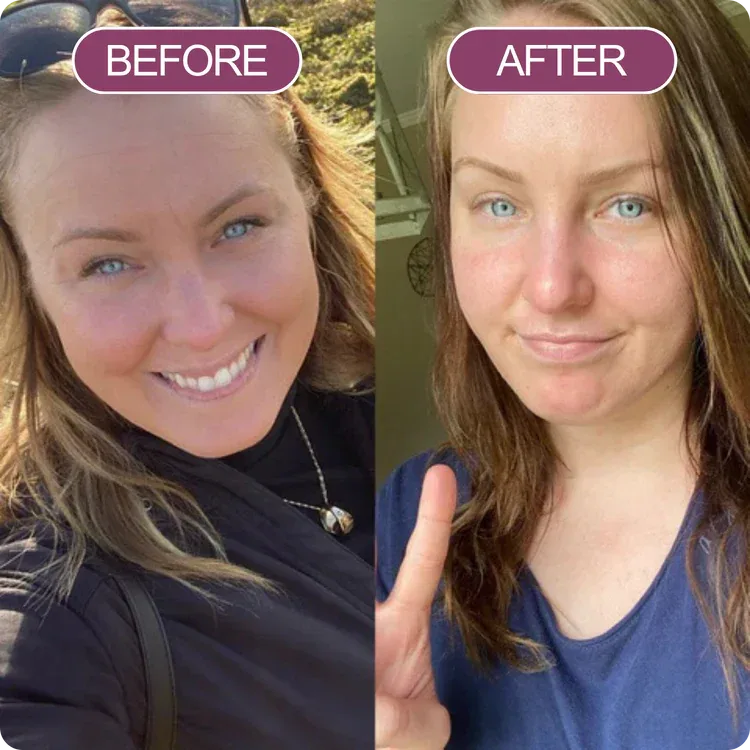
By week twelve, the melasma severity had reduced by approximately 65% — better than anything I'd achieved with hydroquinone in the same timeframe, and without any of the irritation, sensitivity, or cycling concerns. The patches weren't completely gone (deep dermal melasma rarely resolves 100% with topical treatment alone), but the improvement was dramatic enough that concealer was no longer necessary for daily wear. I'm continuing TXA as a maintenance protocol indefinitely.
How To Use Tranexamic Acid Serum Effectively
Application Protocol
Morning: Cleanser → Toner → TXA Serum → Niacinamide → Moisturizer → SPF 50+ (mandatory)
Evening: Double Cleanse → Toner → Exfoliation (2-3x/week — Peel Shot or gentle AHA) → TXA Serum → Night cream
Optimal Pairings
TXA + Bio-Spicule Exfoliation: The Peel Shot creates micro-channels that increase TXA penetration to the dermal level where melanocytes reside. This pairing produced the most dramatic results in my testing. Apply TXA 10-15 minutes after the spicule treatment.
TXA + Vitamin C: TXA blocks the melanocyte activation signal while vitamin C inhibits tyrosinase directly. Two independent brightening pathways operating simultaneously.
TXA + Alpha Arbutin + Kojic Acid: The triple-threat brightening stack. Three different mechanisms — signal blocking (TXA), competitive inhibition (arbutin), copper chelation (kojic acid). I tested this combination for four weeks and saw accelerated results compared to TXA alone.
Tranexamic Acid: Oral vs. Topical
In Korean and Asian dermatology, tranexamic acid is often prescribed orally for severe melasma — typically 250mg twice daily. Oral TXA has shown impressive efficacy in clinical trials, with melasma severity reductions of 50-90%. However, oral use comes with considerations: potential (though rare) thromboembolic risks, drug interactions, and the need for medical supervision.
Topical TXA at 2-5% achieves roughly 60-70% of the efficacy of oral TXA without systemic absorption or thromboembolic concerns. For most people, topical formulations like the TX Ampoule Rx provide an excellent risk-benefit balance. Reserve oral TXA for severe, treatment-resistant melasma under dermatologist supervision.
Where to Buy
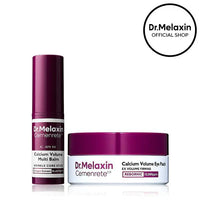
Tranexamic acid is a pharmaceutical compound that requires proper formulation pH (3.5-4.5) and concentration to be effective topically. The Dr. Melaxin TX line — including the TX Ampoule Rx, TX Cream, and TX Eye Care Duo — delivers clinical-grade TXA in properly formulated vehicles with stability-optimized packaging. Avoid generic "brightening serums" that claim TXA content without specifying concentration. Verify authenticity at the product verification page.
Conclusion
Tranexamic acid serum has fundamentally changed how I approach hyperpigmentation treatment. Its unique mechanism of action — blocking the inflammatory signal that triggers melanin overproduction — makes it uniquely effective for the types of pigmentation that other brighteners struggle with. After twelve weeks of testing, the Dr. Melaxin TX range delivered results that exceeded my prior experience with hydroquinone, safely and sustainably. For anyone dealing with stubborn melasma or persistent dark spots, tranexamic acid deserves to be the centerpiece of your brightening protocol.
FAQs
Is tranexamic acid serum safe for daily use?
Yes — topical TXA at concentrations of 2-5% is safe for long-term daily use, twice per day. Unlike hydroquinone, there's no need to cycle on and off. The pharmaceutical safety data spans 50+ years, and topical application results in minimal systemic absorption.
Can tranexamic acid serum be used with retinol?
Yes. TXA and retinol work through completely independent pathways and don't compete or interact negatively. Use retinol in your evening routine and TXA both morning and evening. The combination addresses both pigmentation (TXA) and cellular turnover (retinol) for comprehensive skin improvement.
How is tranexamic acid different from niacinamide for dark spots?
They target different stages of melanin biology. TXA blocks the activation signal to melanocytes (stops the message), while niacinamide blocks melanosome transfer (stops the delivery). Using both together addresses both the production and distribution of melanin for superior results.
Does tranexamic acid work on all types of dark spots?
TXA is most effective on inflammation-driven pigmentation: melasma, PIH from acne, and UV-triggered darkening. It's less effective on congenital pigmentation (birthmarks) or dermal melanocytosis because these aren't driven by the plasmin pathway that TXA targets. For general sun damage, combine TXA with vitamin C and alpha arbutin.