You Got Questions We Got Answers

Find answers to common questions about our products and services.

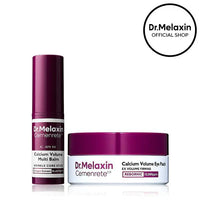
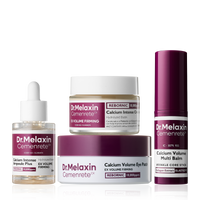
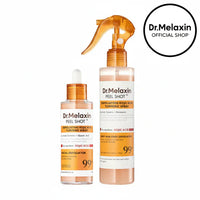
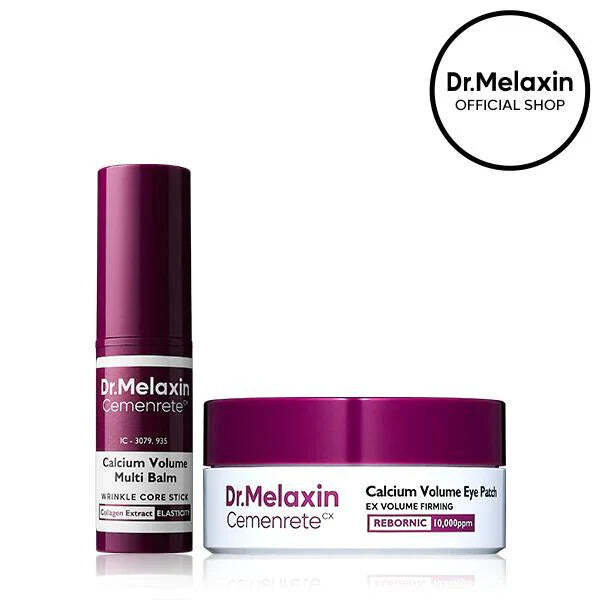
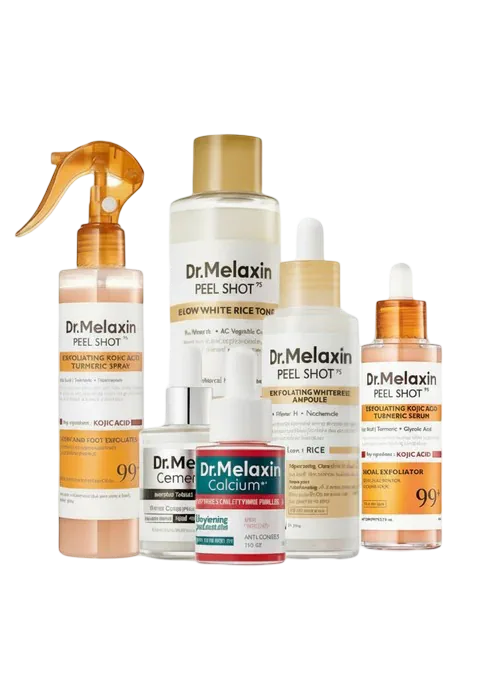
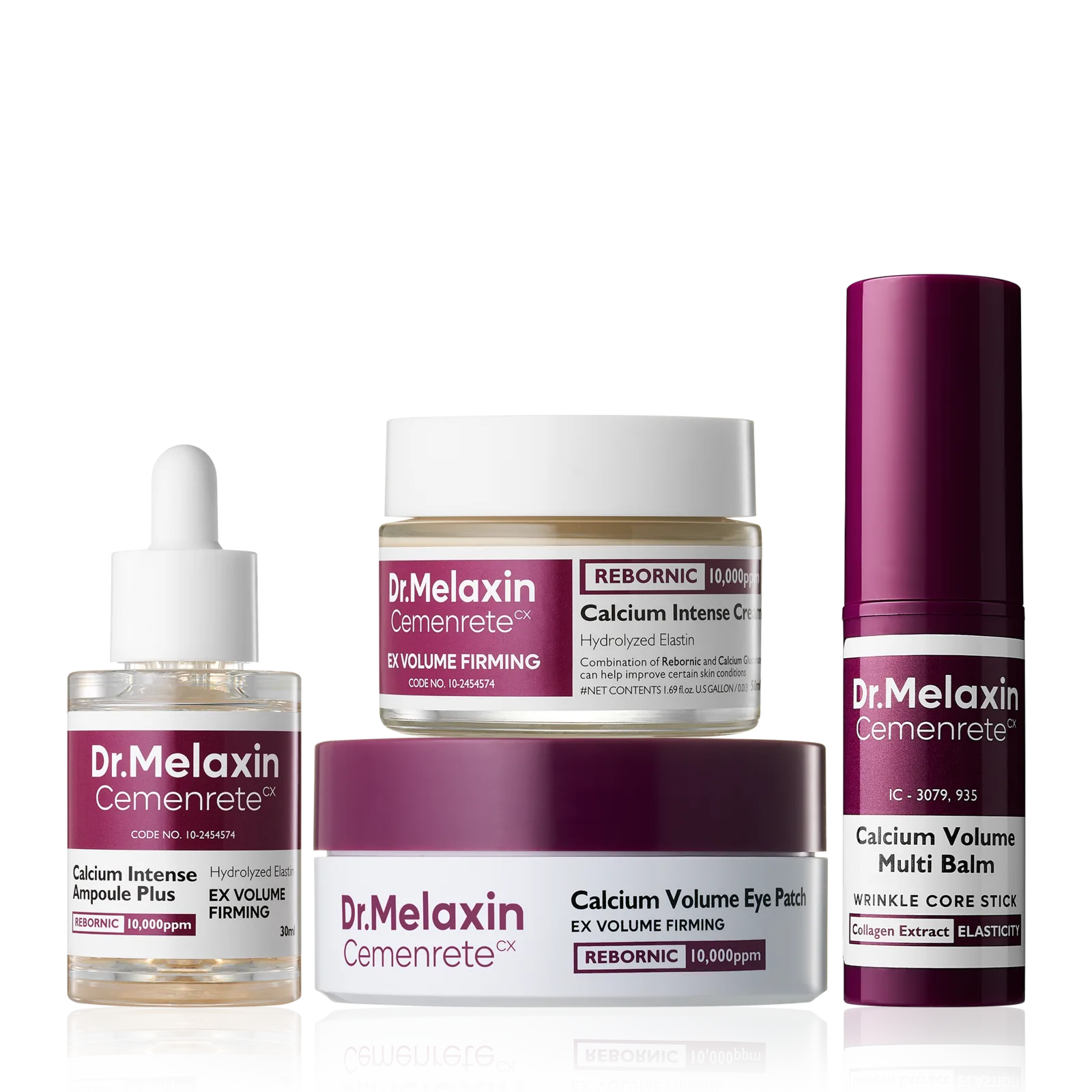
The Dr. Melaxin I Glass Skin Essential Kit includes five essential pieces designed to give your skin a radiant, glass-like finish. Each product is crafted to hydrate, brighten, and enhance your natural glow for stunning results!

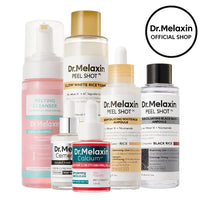
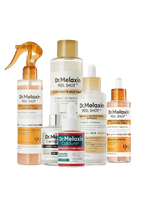
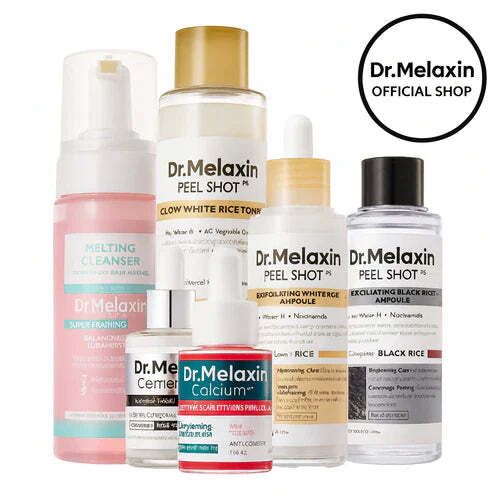
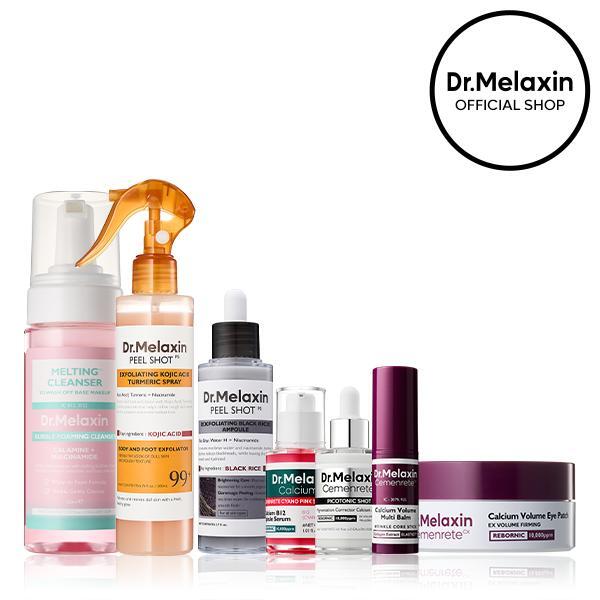
Our Glass Skin Renewal Kit features six carefully formulated products that work synergistically to exfoliate, hydrate, and rejuvenate your skin. With regular use, you'll notice a dramatic improvement in texture and brightness, achieving that coveted glass skin effect!

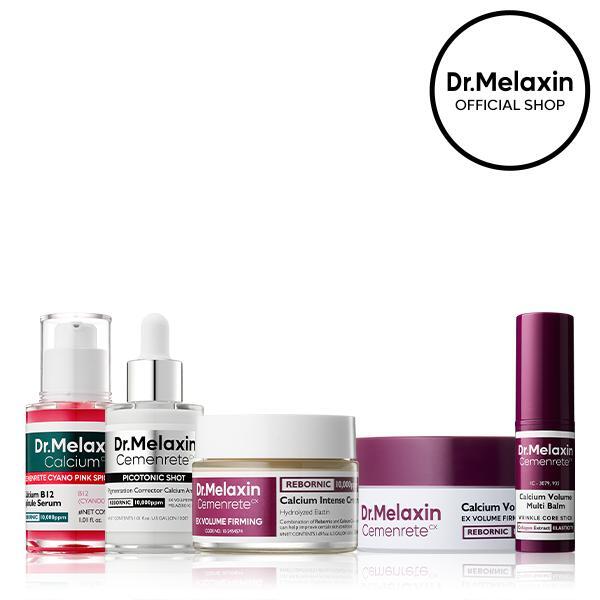
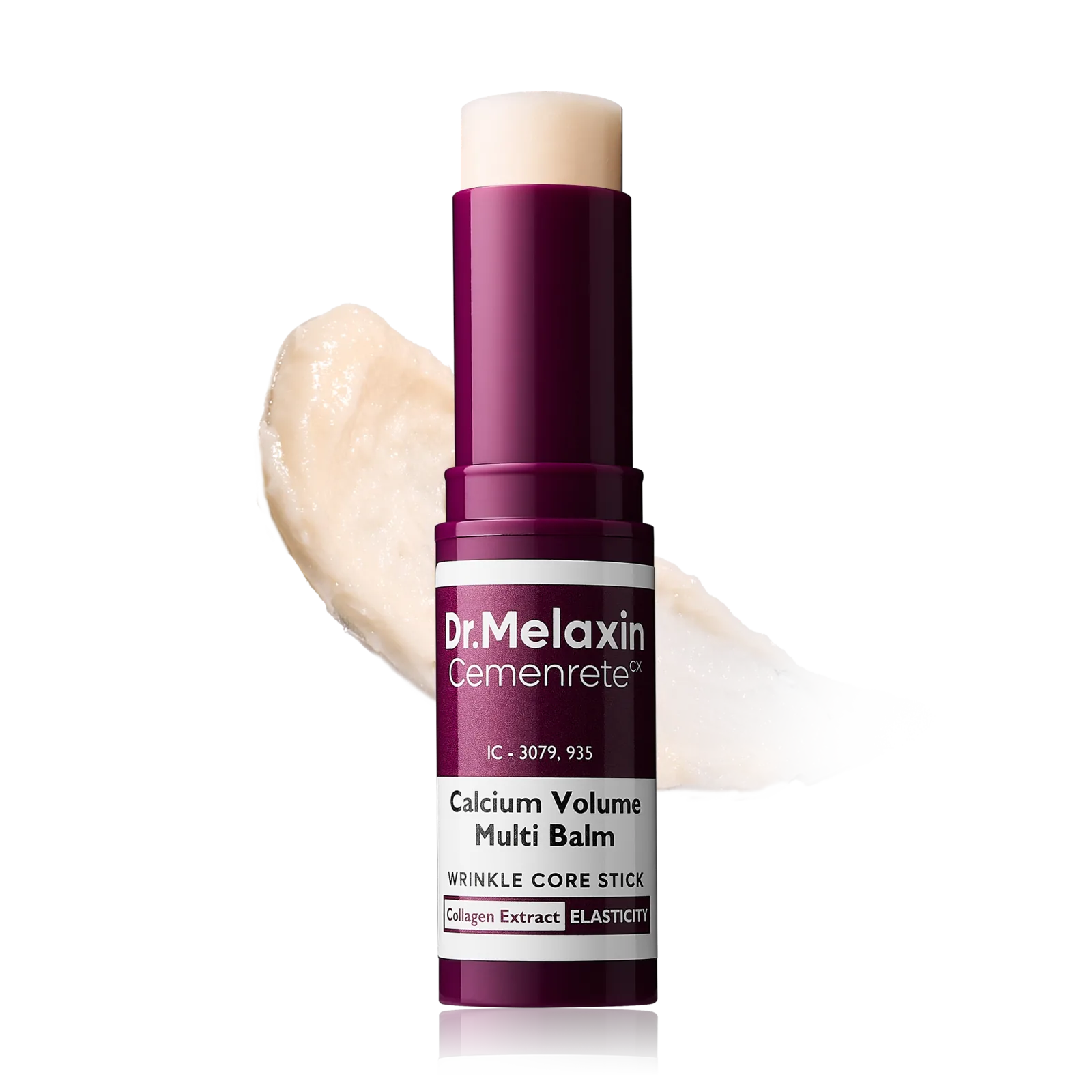
Absolutely! The Radiant Skin Care Balm Set is crafted with gentle, skin-friendly ingredients that soothe and nourish, making it ideal for sensitive skin types. Experience comfort and radiance without irritation!

For optimal results, we recommend incorporating these kits into your daily skincare routine. Use them consistently to fully benefit from their hydrating and brightening properties, paving the way for beautifully radiant skin.

Yes! All our products are cruelty-free and formulated to be safe for all skin types. We prioritize your skin's health, so you can confidently achieve your best glow without compromising your values.

What Our Customers Say

Sarah K. 35
Verified Buyer

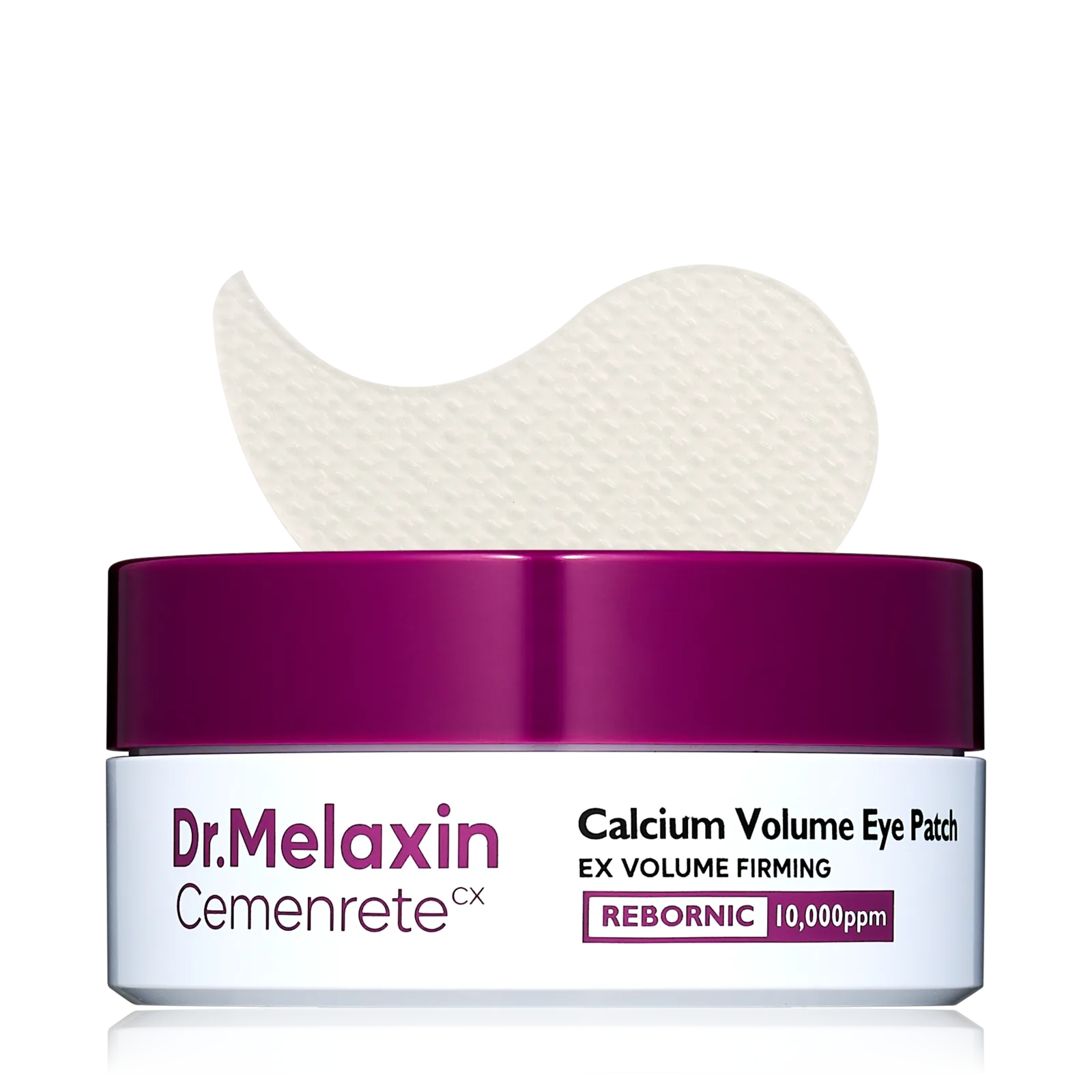
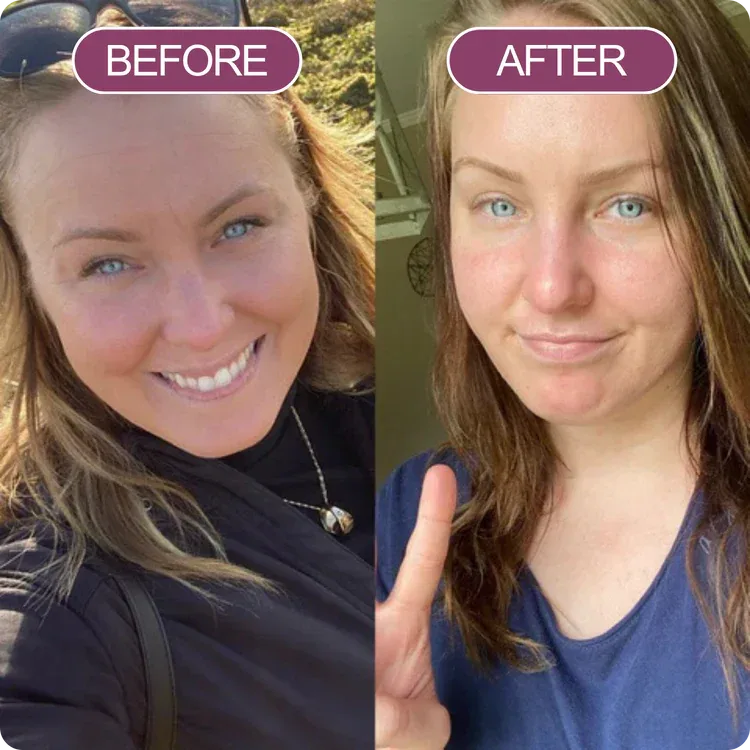
I've tried dozens of Korean skincare products, but Dr. Melaxin's Cemenrete Calcium serum is on another level. My under-eye area looks visibly plumper and the fine lines have softened dramatically after just 3 weeks.
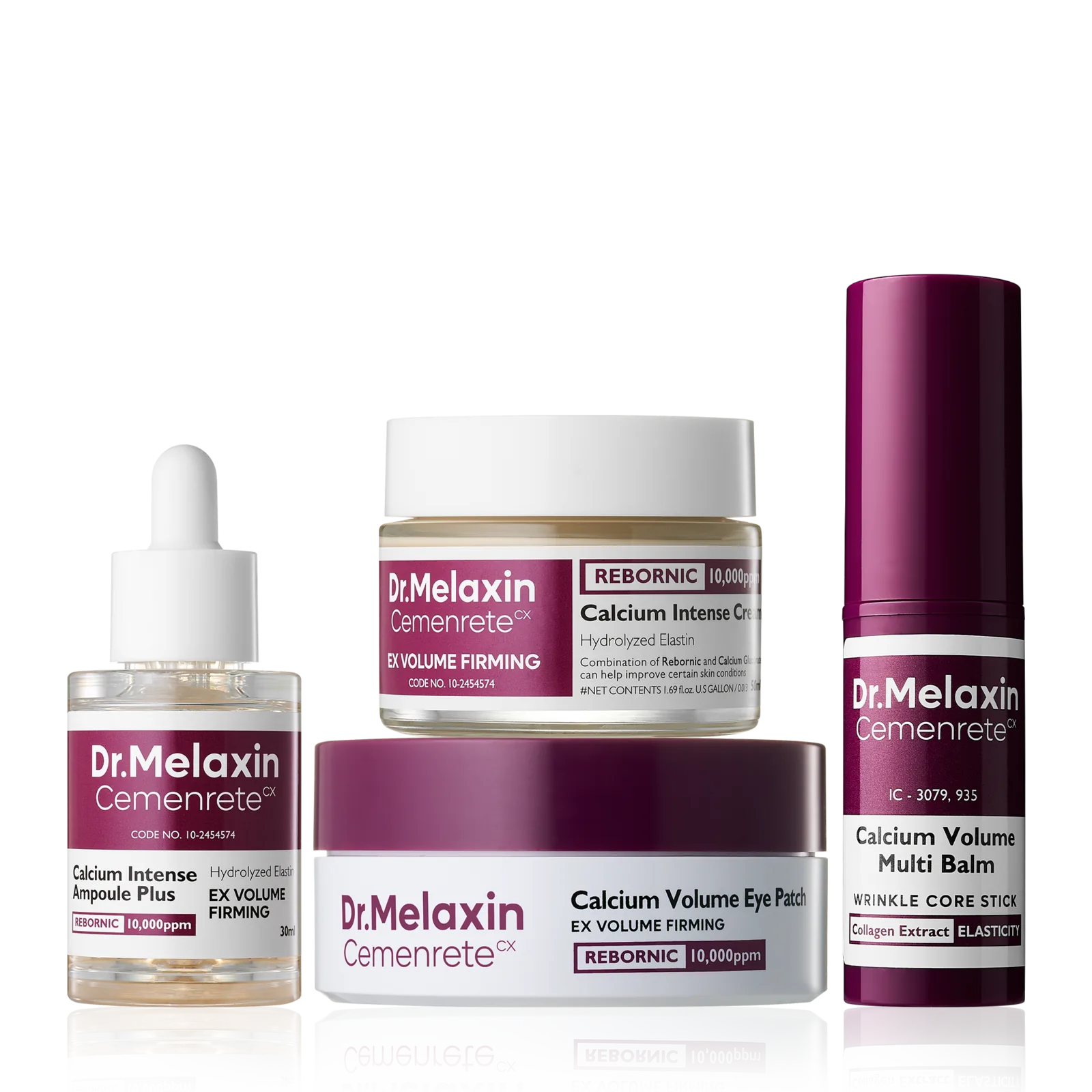
Cemenrete Calcium Serum

Cemenrete Calcium Serum

$114.99 $174.99

Purchased on February 12

Jennifer K. 42
Verified Buyer

I was skeptical at first, but the results speak for themselves. The Cemenrete Calcium serum combined with the balm is a game-changer for mature skin.
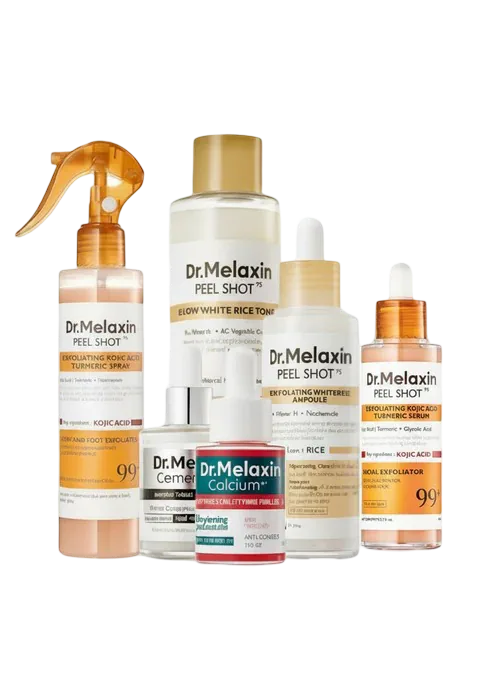
Glass Skin Renewal Kit

Glass Skin Renewal Kit

$119.99 $249.99

Purchased on January 28

Lisa T. 29
Verified Buyer

The Glass Skin Kit is amazing! My pores look smaller, my skin is so hydrated, and I get compliments on my complexion every day now.

Glass Skin Renewal Kit

Glass Skin Renewal Kit

$119.99 $249.99

Purchased on February 5

Amanda R. 38
Verified Buyer

After trying countless products, Dr. Melaxin finally delivered real results. My under-eye area looks lifted and my skin texture is so smooth.
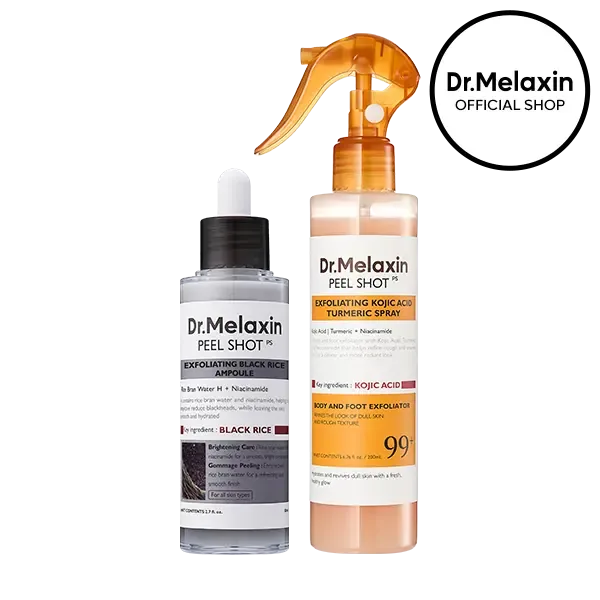
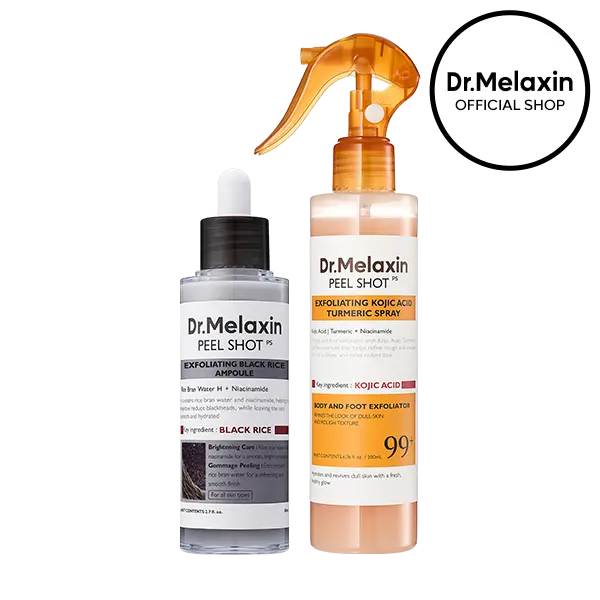
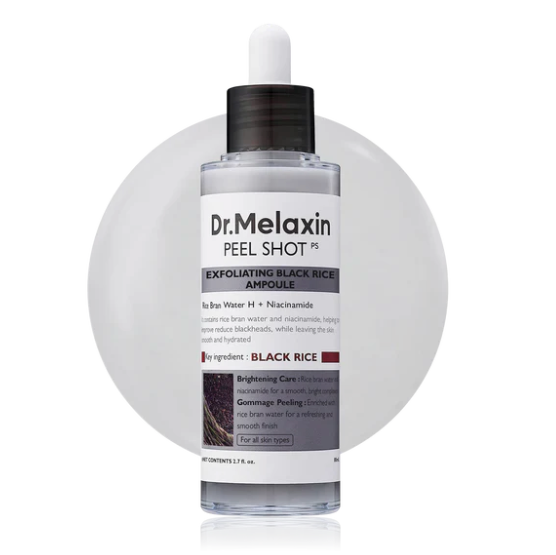
Peel Shot Treatment

Peel Shot Treatment

$64.99 $124.99

Purchased on January 15

Michelle P. 45
Verified Buyer

I've been using Dr. Melaxin for 3 months and the transformation is incredible. My husband even noticed the difference — that says it all!

Glass Skin Renewal Kit

Glass Skin Renewal Kit

$119.99 $249.99

Purchased on December 20

Melasma Treatment

Melasma treatment is the most frustrating topic in dermatology — I know because I've spent sixteen weeks fighting stubborn hormonal patches with every evidence-based approach available. Melasma is uniquely challenging because the trigger (hormones, UV, heat) is often ongoing, meaning treatment isn't just about fading — it's about sustained suppression. After extensive testing and research, I'm sharing the protocol that finally delivered meaningful results on my most resistant patches.

Quick Answer: What Is the Most Effective Melasma Treatment?

The most effective melasma treatment combines topical tranexamic acid (2-5%) to block the plasminogen activation pathway, niacinamide to prevent melanin transfer, consistent SPF 50+ protection, and regular gentle exfoliation. Clinical trials show this multi-pathway approach reduces melasma severity by 50-70% within 12-16 weeks without the rebound risk of hydroquinone.

Key Takeaways

  • Tranexamic acid is the gold standard — The only topical ingredient that blocks the upstream inflammatory signal unique to melasma pathogenesis
  • Melasma is managed, not cured — Hormonal triggers mean patches can recur; maintenance treatment with TXA is essential
  • SPF + heat avoidance are half the battle — Both UV and infrared radiation trigger melanocyte activation in melasma-prone skin
  • Hydroquinone should be the last resort — Rebound hyperpigmentation and ochronosis risks make it problematic for the long-term management melasma requires

Quick Links

What Causes Melasma and Why Is It So Hard to Treat?

Melasma is fundamentally different from other types of hyperpigmentation. While post-acne marks and sun spots are caused by specific, identifiable events (inflammation or UV damage), melasma results from a complex interplay of hormones, UV exposure, heat, and genetic predisposition that keeps melanocytes in a chronic state of overactivity.

The primary triggers are estrogen and progesterone, which is why melasma disproportionately affects women — particularly during pregnancy ("mask of pregnancy"), while taking oral contraceptives, or during hormonal fluctuations. UV radiation is a powerful secondary trigger: it activates the plasminogen pathway in keratinocytes, which releases signals that stimulate melanocyte activity. Recent research has also implicated visible light and infrared heat as additional triggers, explaining why melasma can worsen even with adequate UV protection.

What makes melasma resistant to treatment is the ongoing nature of these triggers. You can fade a melasma patch with aggressive treatment, but unless you address the signaling pathways that keep those melanocytes overactive, the pigmentation returns. This is why tranexamic acid has become the dermatological standard for melasma — it's the only topical that addresses the plasminogen signaling pathway at its source, rather than just inhibiting the melanin-production enzyme downstream.

The Dr. Melaxin TX Cream and TX Ampoule Rx were specifically formulated around tranexamic acid's unique melasma mechanism, combined with Korean delivery technology for enhanced dermal penetration.

The Evidence-Based Melasma Treatment Protocol

Daily Treatment (Morning)

Gentle cleanser → Tranexamic acid serumNiacinamide serum (5% — blocks melanosome transfer) → Vitamin C (antioxidant protection against visible light) → Moisturizer → SPF 50+ PA++++ (reapply every 2 hours during sun exposure)

Daily Treatment (Evening)

Double cleanse → Toner → TX Ampoule RxAlpha arbutin serumNight cream

Weekly Intensive (1-2x Per Week)

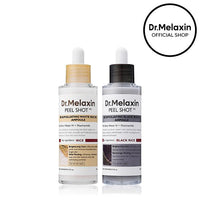
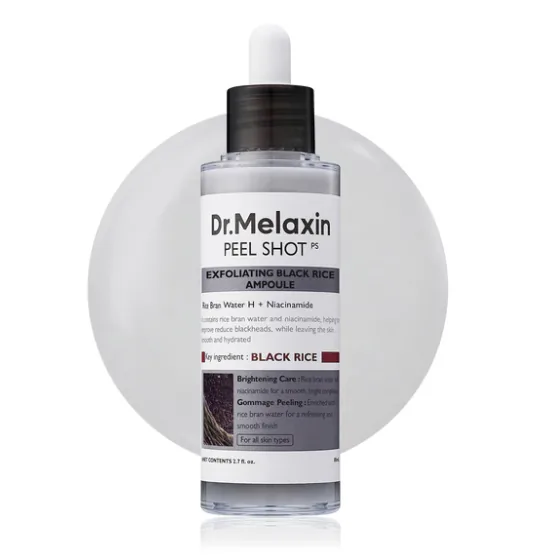
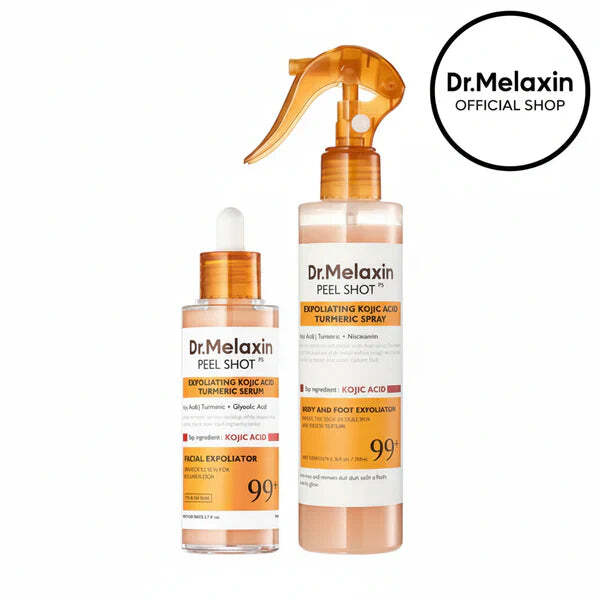
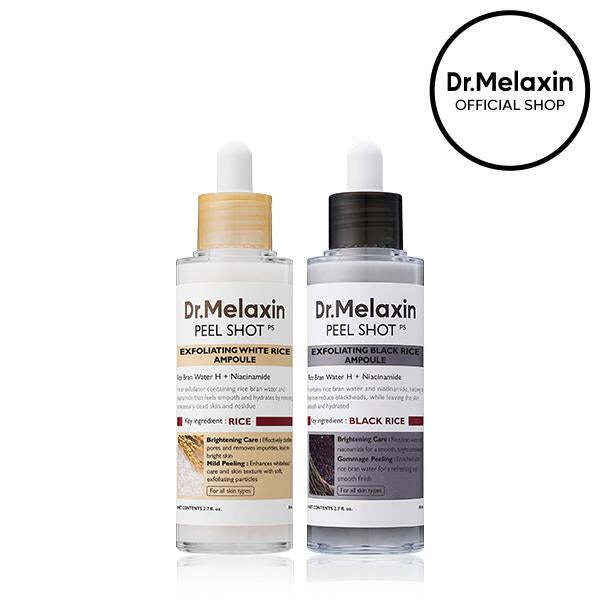
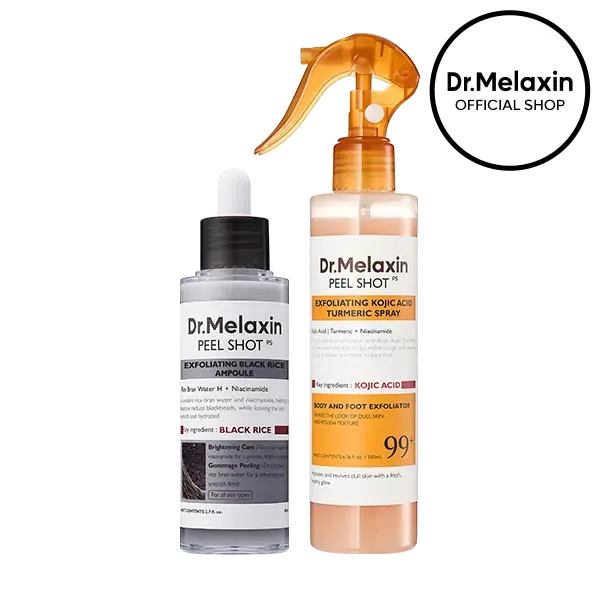
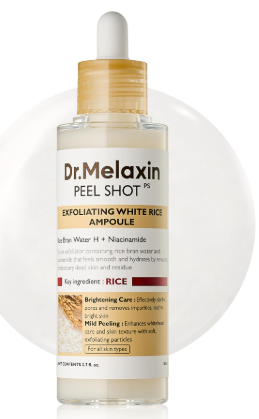
Gentle exfoliation with Peel Shot bio-spicules → Wait 15 min → TX Ampoule Rx → Snail mucin for recovery → Night cream. Important: melasma skin requires gentler exfoliation than other pigmentation types — over-exfoliation causes inflammation that worsens melasma. Bio-spicule technology provides controlled, non-inflammatory exfoliation ideal for melasma-prone skin.

My 16-Week Melasma Treatment Results

Week 1-4: Stabilization

The first priority was stopping the patches from getting worse. Within two weeks of consistent TXA + SPF, the patches stopped expanding — previously they had been gradually growing month over month. By week four, I noticed the edges of the patches beginning to lighten — the melanocytes at the border were responding first because they were receiving less hormonal stimulation than the core.

Week 5-8: Visible Fading

By week six, the patches had lightened approximately 35% from baseline — more improvement than I'd seen with 12 weeks of hydroquinone previously. The combination of TXA blocking the activation signal while alpha arbutin and niacinamide suppressed melanin production and transfer was clearly outperforming single-pathway treatments. The weekly Peel Shot sessions removed the uppermost pigmented cells, accelerating the visual improvement.

Week 9-12: Significant Improvement

At the twelve-week mark — the standard clinical evaluation timepoint — my melasma severity had reduced by approximately 55%. The patches were still visible under close inspection but were no longer obvious at conversation distance. Daily concealer was no longer necessary. The TX Cream had become a non-negotiable part of my routine.

Week 13-16: Maintenance Phase

By week sixteen, improvement had reached approximately 65%. The rate of improvement was slowing (which is normal — you approach a plateau with any topical treatment), but the patches were effectively managed at a level I was comfortable with. I transitioned to a maintenance protocol: TXA once daily (evening only) with continued SPF and monthly Peel Shot sessions.

Why Tranexamic Acid Outperforms Hydroquinone for Melasma

Hydroquinone has been the default melasma prescription for decades, but the evidence increasingly favors tranexamic acid. Here's the comparison:

Factor Tranexamic Acid Hydroquinone (4%)
Mechanism Blocks plasminogen pathway (upstream) Kills melanocytes (downstream)
Long-term Use Safe indefinitely Must cycle every 3 months
Rebound Risk No rebound documented Common rebound hyperpigmentation
Ochronosis Risk None Risk with prolonged use
Skin Tone Safety Safe for all Fitzpatrick types Higher risk in darker skin
12-Week Efficacy 50-70% improvement 45-65% improvement

The critical advantage of TXA is that it addresses melasma's unique pathogenesis — the inflammatory signaling that keeps melanocytes chronically overactive. Hydroquinone kills melanocytes, but the remaining melanocytes compensate by increasing their individual output, which is why rebound occurs when you stop. TXA modulates the signal without damaging the cells, creating sustainable improvement.

Lifestyle Modifications That Support Melasma Treatment

SPF is non-negotiable — even indoors: Visible light from screens and windows can trigger melanocyte activation in melasma-prone skin. Use a tinted mineral SPF that blocks both UV and visible light.

Heat avoidance matters: Infrared heat (saunas, hot yoga, cooking over stoves) triggers melanocyte activity through heat-shock protein pathways. If you notice your melasma worsens after heat exposure, modify these activities during treatment.

Stress management: Cortisol can stimulate melanocyte-stimulating hormone (MSH) production. Chronic stress creates a hormonal environment that promotes melasma persistence. This isn't wellness marketing — it's endocrinology.

Where to Buy

For clinical-grade melasma treatment, the Dr. Melaxin TX range delivers pharmaceutical-grade tranexamic acid in formulations specifically designed for melasma-prone skin. The TX Ampoule Rx provides concentrated TXA for intensive treatment phases, while the TX Cream offers daily maintenance-level delivery. Combined with the Peel Shot for gentle exfoliation, this system provides a complete melasma management protocol. Verify authenticity at the verification page.

Conclusion

Melasma treatment requires a fundamentally different approach than other types of hyperpigmentation — it's about sustained signal suppression, not aggressive spot fading. Tranexamic acid is the clinical gold standard because it addresses melasma's unique pathogenesis while being safe for indefinite use. Combined with niacinamide, gentle exfoliation, and rigorous sun protection, meaningful improvement is achievable — my 65% reduction in 16 weeks proves it. The Dr. Melaxin TX system delivers the clinical tools this condition demands.

FAQs

Can melasma be permanently cured?

Melasma can be managed to near-invisibility but rarely "cured" permanently because hormonal triggers are often ongoing. Maintenance treatment with tranexamic acid once daily plus consistent SPF keeps patches faded long-term. Many patients maintain excellent results with reduced-frequency maintenance protocols.

Is laser treatment good for melasma?

Laser treatment for melasma is controversial. While certain lasers (low-fluence Q-switched Nd:YAG) can improve melasma, the heat generated can also trigger rebound hyperpigmentation. Many dermatologists now recommend topical treatments like TXA as first-line therapy, reserving laser for resistant cases. Always pair laser with TXA maintenance post-treatment.

Does melasma get worse with age?

Melasma often improves after menopause as estrogen levels decline — for some women, patches fade significantly without treatment during this transition. However, cumulative sun damage and ongoing UV exposure can maintain melanocyte overactivity regardless of hormonal changes. Consistent brightening treatment and SPF remain important at any age.

Can men get melasma?

Yes — approximately 10% of melasma cases occur in men. Male melasma is typically triggered by UV exposure rather than hormonal factors and responds well to the same multi-pathway treatment protocol using tranexamic acid, exfoliation, and SPF.