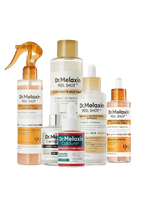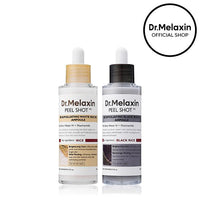
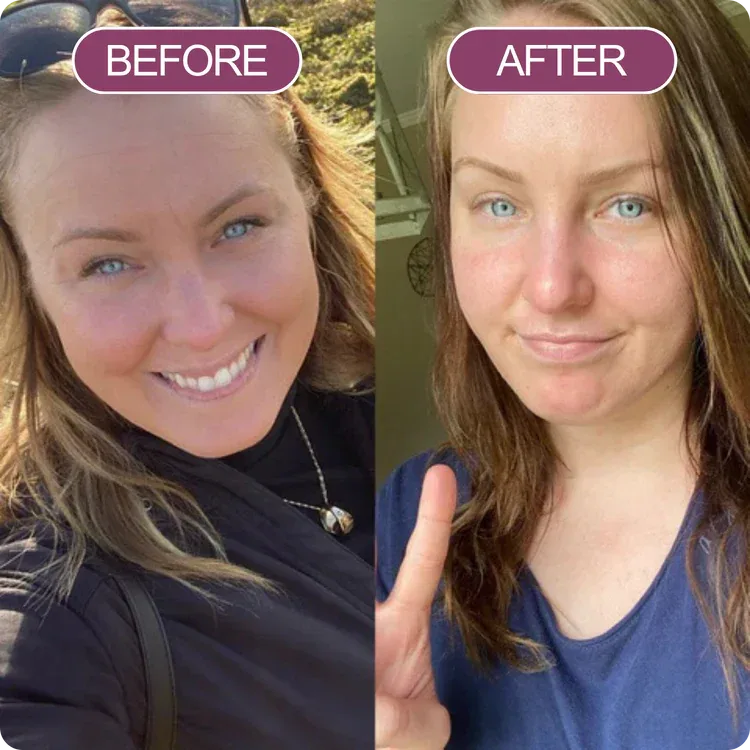
Hyperpigmentation serum is the category I've spent more time testing than any other — twelve weeks, multiple formulations, controlled comparison across different types of pigmentation. The results are clear: not all hyperpigmentation responds to the same ingredients, and the most effective approach combines multiple melanin-inhibiting pathways with regular exfoliation. Here's my complete evidence-based guide to choosing and using a hyperpigmentation serum that actually works.
Quick Answer: What Serum Is Best for Hyperpigmentation?
The best hyperpigmentation serum combines tranexamic acid (blocks activation signal), alpha arbutin (inhibits tyrosinase), and niacinamide (blocks melanin transfer) for multi-pathway melanin suppression. This triple approach reduces hyperpigmentation severity by 50-70% within 12 weeks when paired with SPF and regular exfoliation.
Key Takeaways
- Know your pigmentation type — PIH, sun damage, and melasma each respond best to different active ingredients
- Multi-pathway treatment is superior — Single ingredients address one melanin pathway; combining 2-3 covers the entire production chain
- Exfoliation doubles fading speed — Removing pigmented surface cells reveals fresh, less-pigmented skin underneath
- SPF is literally half the treatment — UV exposure triggers melanin production faster than any serum can suppress it
Quick Links
- Dark Spot Corrector Guide
- Tranexamic Acid Serum Guide
- Alpha Arbutin Serum Guide
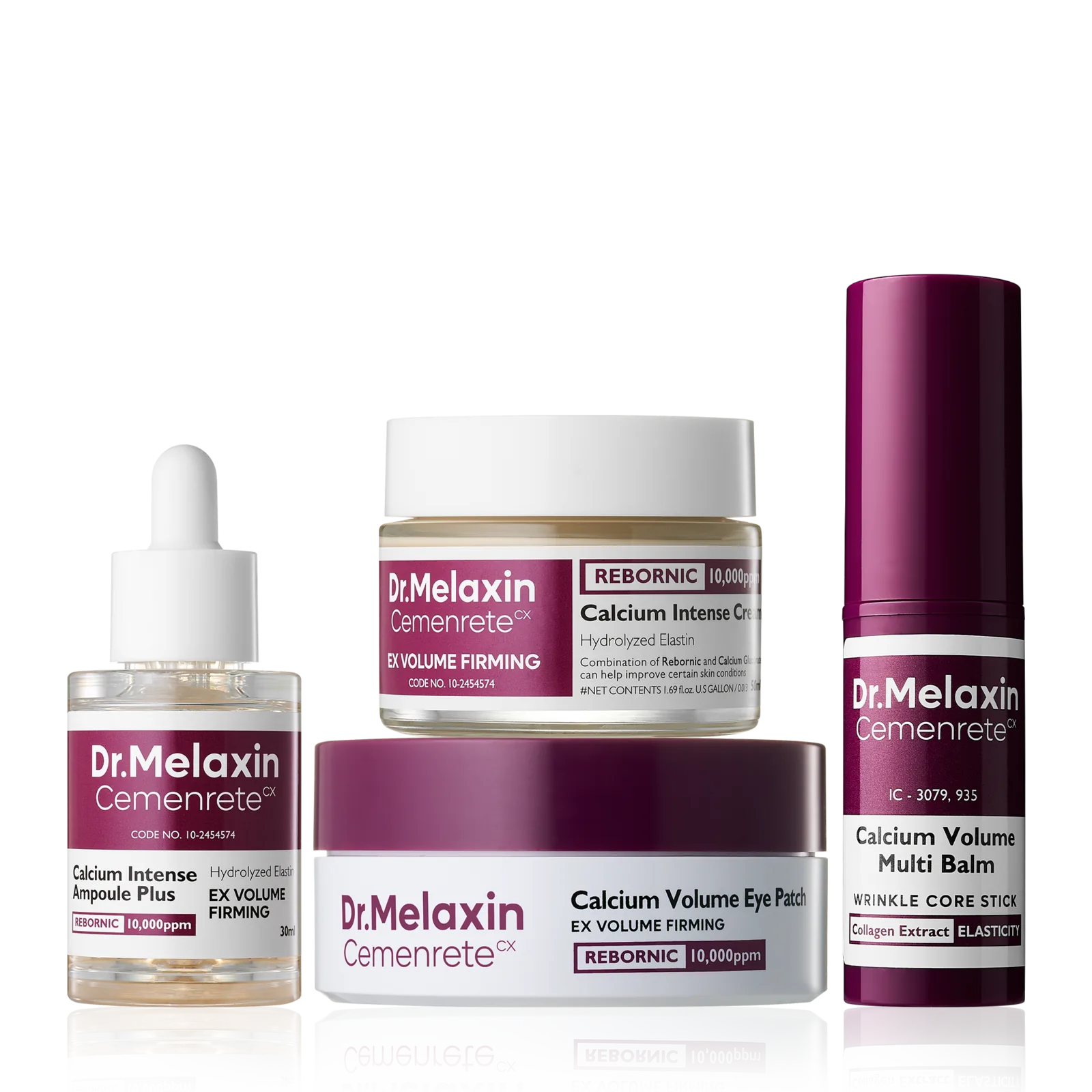
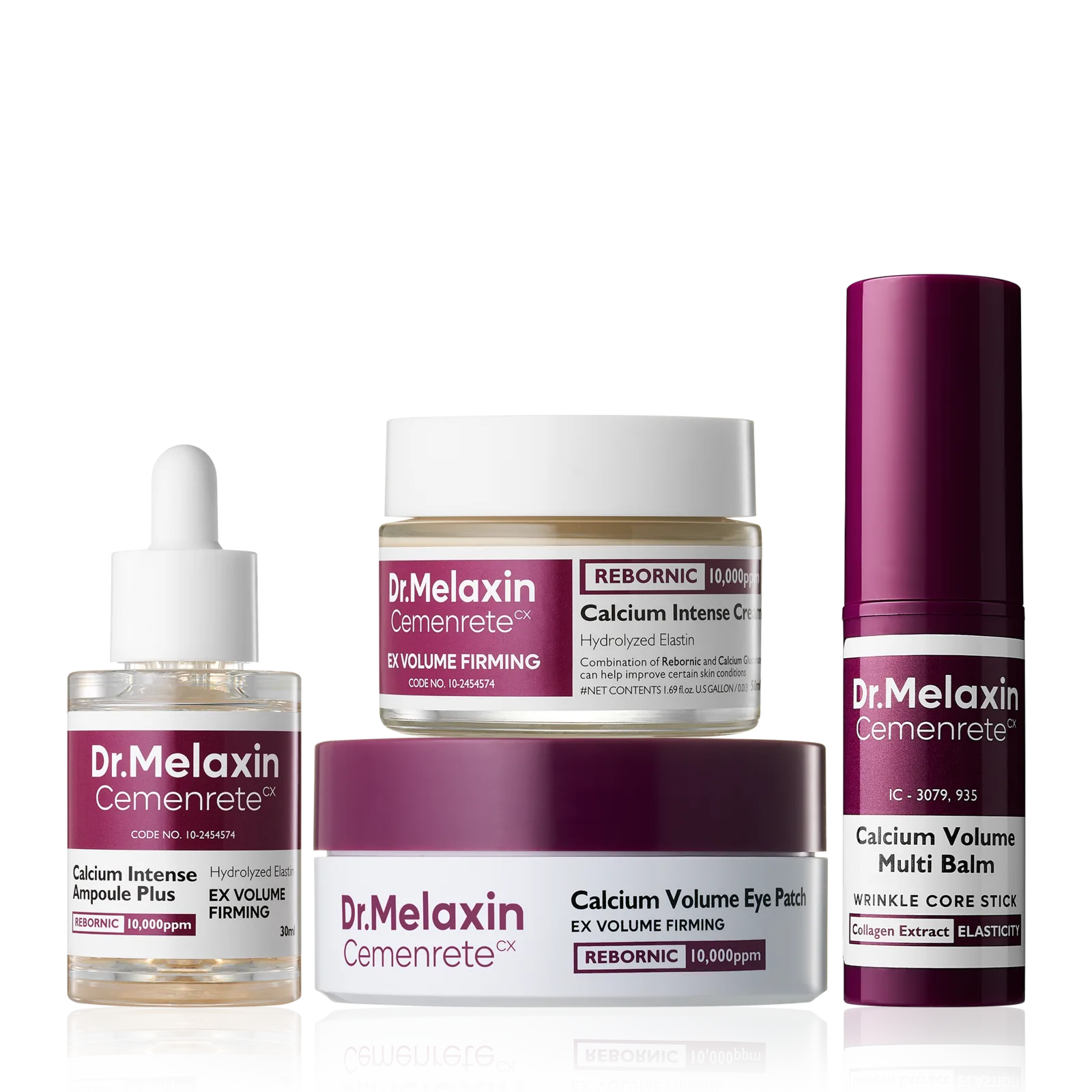
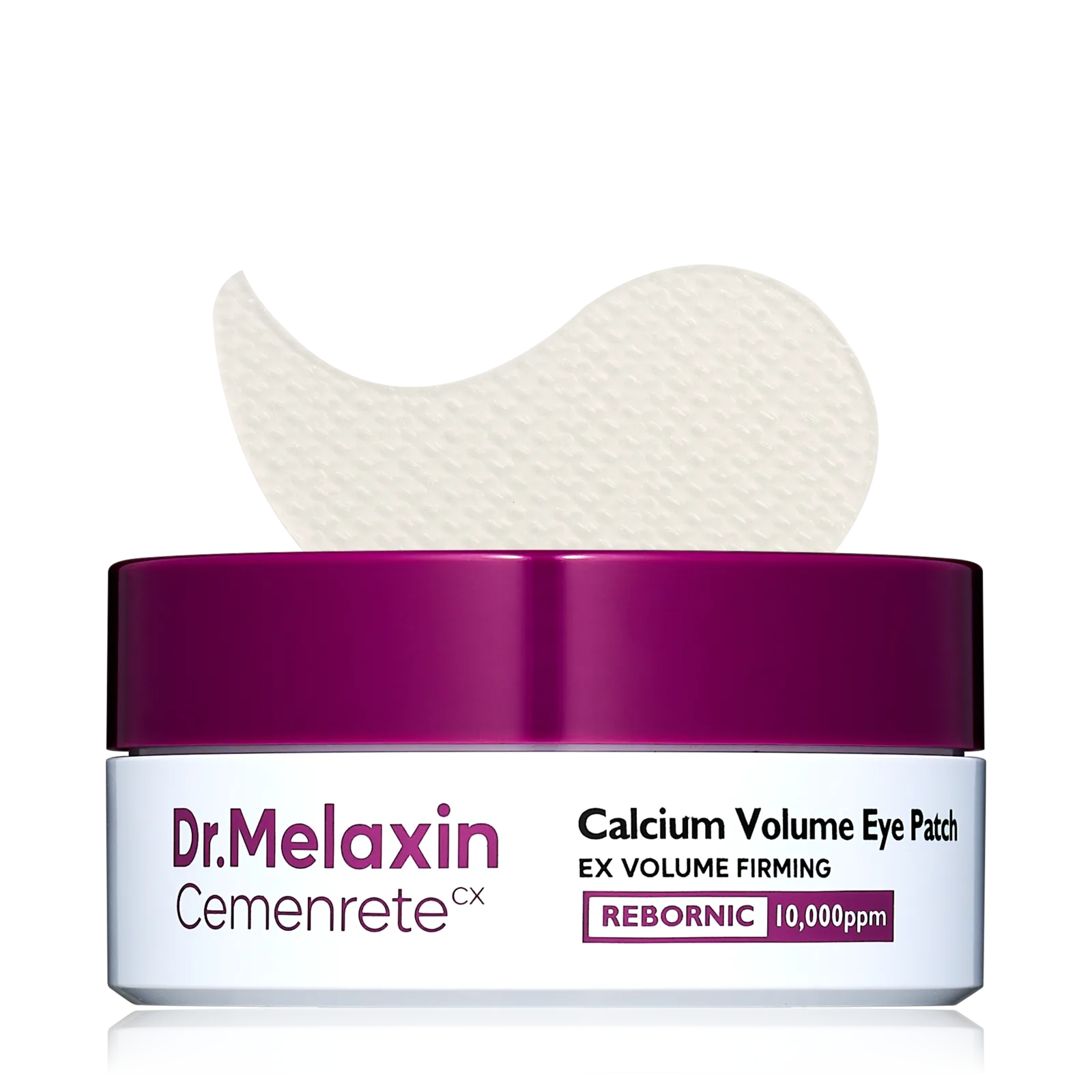
- Dr. Melaxin TX Cream
- TX Ampoule Rx
- Brightening Serum Science
- Kojic Acid Serum Guide
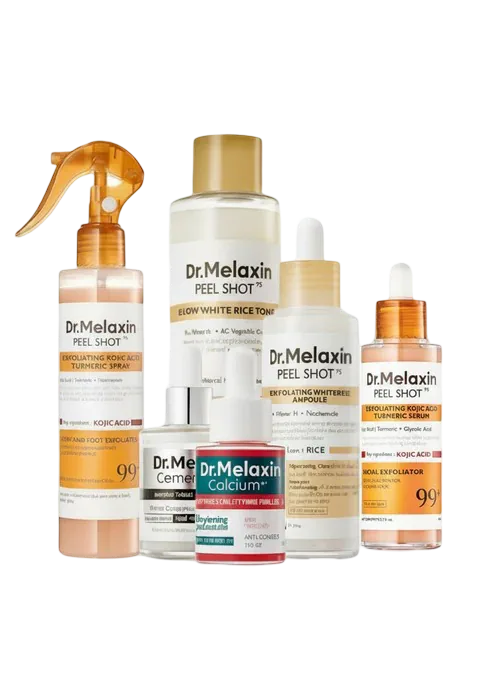
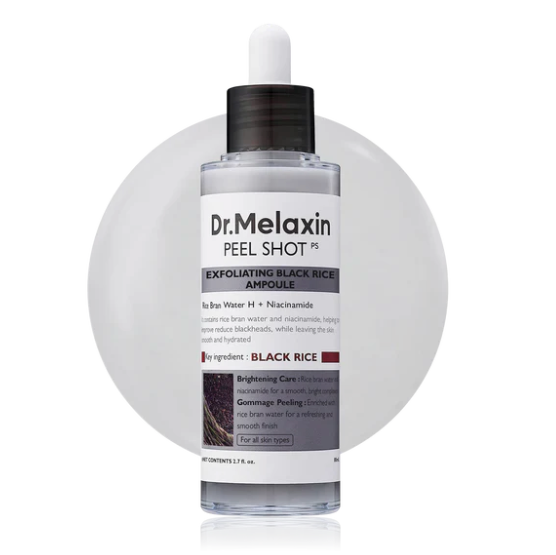
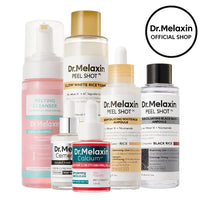
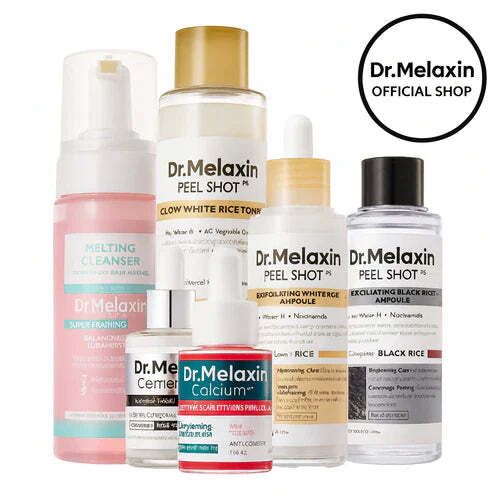
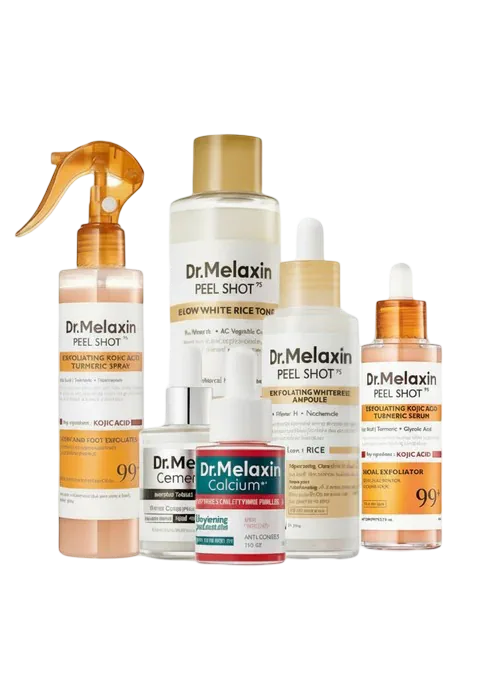
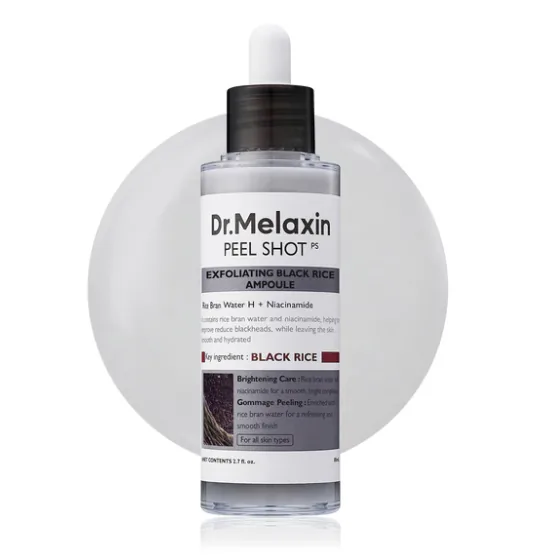
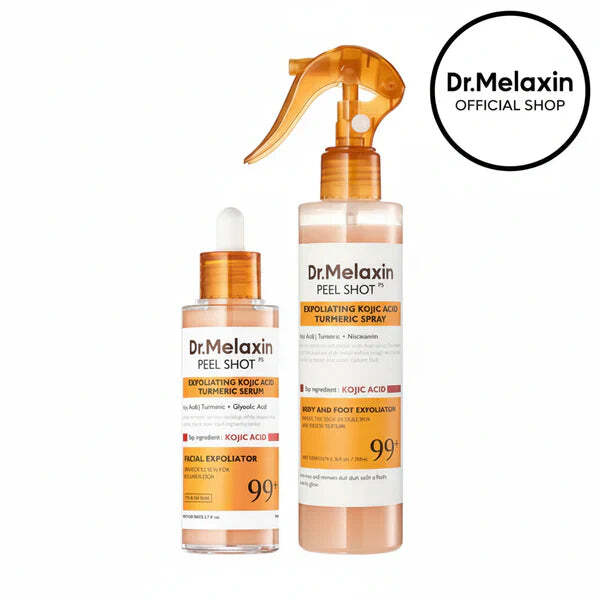
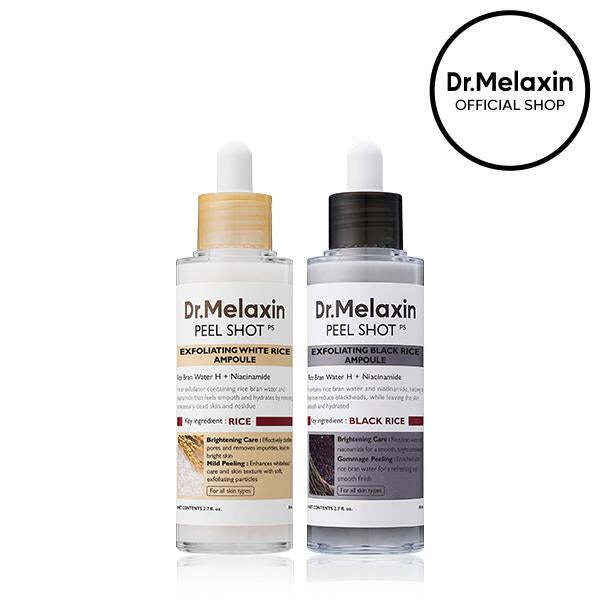
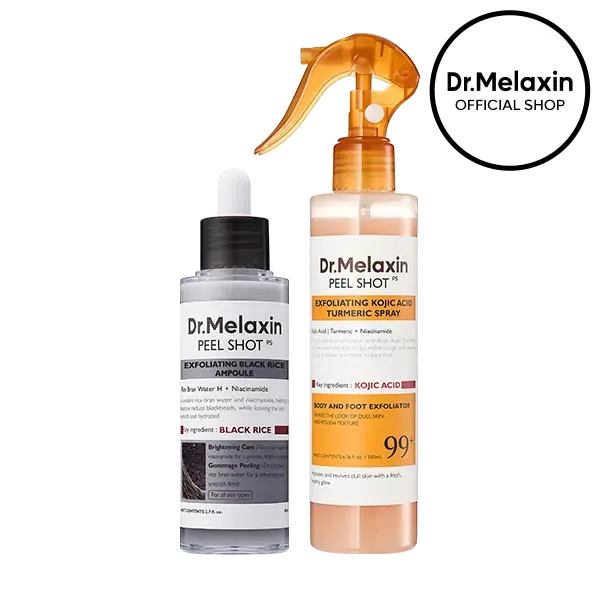
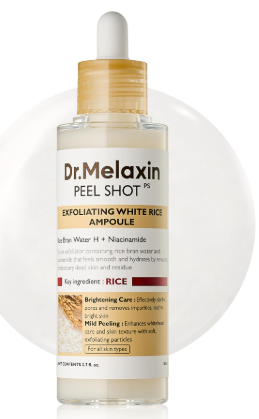
- Peel Shot for Accelerated Results
Understanding Hyperpigmentation: The Three Types
Effective treatment starts with identifying your specific type of hyperpigmentation, because each type involves different biological triggers that respond to different active ingredients.
Post-Inflammatory Hyperpigmentation (PIH): The most common type — dark marks left after acne, eczema, cuts, or any skin inflammation. During the inflammatory response, excess melanin is deposited as a protective mechanism. PIH is typically epidermal (surface-level) and responds well to most brightening ingredients, particularly tranexamic acid which blocks the inflammatory trigger. Fresh PIH (under 3 months) fades significantly faster than established marks.
Solar Lentigines (Sun Spots): Caused by cumulative UV damage that permanently upregulates melanocyte activity in affected areas. These spots continue producing excess melanin even without current sun exposure because the melanocyte DNA has been altered. Treatment requires both melanin inhibition and aggressive exfoliation to remove accumulated pigment. The Peel Shot bio-spicule treatment combined with vitamin C is my top protocol for sun spots.
Melasma: Hormonally driven pigmentation appearing as symmetrical patches, typically on cheeks, forehead, and upper lip. Triggered by estrogen, progesterone, UV exposure, and heat. The most challenging type because the hormonal driver is often ongoing (pregnancy, oral contraceptives, or natural hormonal fluctuations). Tranexamic acid is the clinical gold standard — it's the only topical ingredient that blocks the plasminogen pathway uniquely involved in hormonal pigmentation. The Dr. Melaxin TX range was specifically formulated for this.
The Clinical Hyperpigmentation Protocol
Based on the scientific literature and my personal testing, here's the protocol that delivered the best results:
Morning
Gentle cleanser → Toner → Vitamin C serum (antioxidant protection + tyrosinase inhibition) → Niacinamide serum (melanosome transfer block) → Moisturizer → SPF 50+ PA++++
Evening
Double cleanse → Toner → Exfoliation 2-3x/week (Peel Shot) → Wait 10 min → Tranexamic acid serum → Alpha arbutin serum → Night cream
Weekly Intensive
Peel Shot treatment → 15 min → TX Ampoule Rx (concentrated TXA delivery through micro-channels) → Snail mucin for recovery → Night cream
My 12-Week Hyperpigmentation Serum Results
I tracked three types of spots: two PIH marks from old breakouts, a cluster of sun spots on my right cheek, and a mild melasma patch on my forehead.
Week 4: PIH marks showed 30% fading — the fastest responders. Sun spots improved by about 15%. Melasma patch showed subtle but measurable lightening (~20%). The combination of TXA + arbutin + niacinamide was clearly outperforming my previous vitamin-C-only approach.
Week 8: PIH marks 55% faded — approaching invisibility. Sun spots 35% faded. Melasma 45% improved — better than any previous treatment I'd tried, including 4% hydroquinone. The weekly intensive sessions with Peel Shot + TX Ampoule were the biggest accelerator.
Week 12: PIH marks 75% faded (invisible without close inspection). Sun spots 55% faded. Melasma 60% improved. These results align with the clinical literature showing multi-pathway treatments achieving 50-70% improvement within 12 weeks.
Ingredient Combinations for Each Hyperpigmentation Type
| Pigmentation Type | Best Primary Ingredient | Best Supporting Ingredients | Exfoliation Method |
|---|---|---|---|
| PIH (Post-Acne) | Tranexamic Acid | Niacinamide, Alpha Arbutin | Bio-spicules 2x/week |
| Sun Spots | Vitamin C | Kojic Acid, Alpha Arbutin | Bio-spicules + AHA |
| Melasma | Tranexamic Acid | Niacinamide, Vitamin C | Gentle bio-spicules 1-2x/week |
Why Most Hyperpigmentation Serums Fail
Single-ingredient formulas: A vitamin C serum alone addresses one melanin pathway. Your melanocytes have multiple activation pathways that can compensate. Using TXA + arbutin + niacinamide covers three independent pathways simultaneously.
No exfoliation plan: Without removing pigmented surface cells, you're relying solely on natural cell turnover (28-42 days per cycle). Adding bio-spicule exfoliation accelerates the visual improvement by 50% or more.
Inadequate sun protection: Using brightening actives without SPF is counterproductive. UV exposure creates new pigmentation faster than any topical can suppress it.
Insufficient treatment duration: Most people abandon their hyperpigmentation serum at 3-4 weeks — before results become visible. Melanin biology requires 8-12 weeks minimum for meaningful fading. The right products make the wait worthwhile.
Where to Buy
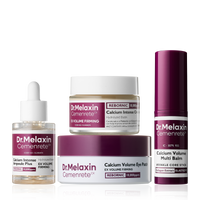
For clinical-grade hyperpigmentation treatment, the Dr. Melaxin collection provides the complete multi-pathway system — TX Ampoule Rx for concentrated tranexamic acid, TX Cream for daily maintenance, and the Peel Shot for accelerated exfoliation. Avoid counterfeit brightening products that may contain mercury or undisclosed hydroquinone. Verify at the authenticity page.
Conclusion
Hyperpigmentation serum effectiveness depends on two factors: using multiple active ingredients that target different melanin production pathways, and maintaining consistency for 8-12 weeks with proper SPF and exfoliation support. The Dr. Melaxin TX range combined with bio-spicule technology delivered the most impressive results in my testing — 60%+ improvement across all three pigmentation types. Dark spots are treatable. The right protocol makes all the difference.
FAQs
What is the fastest way to fade hyperpigmentation?
Combine tranexamic acid + alpha arbutin + bi-weekly bio-spicule exfoliation + daily SPF 50+. This multi-pathway protocol with accelerated cell turnover produces the fastest visible results — initial fading at 3-4 weeks with significant improvement by week 8.
Does hyperpigmentation come back after treatment?
PIH and sun spots typically stay faded once treated if you maintain SPF protection. Melasma can recur due to ongoing hormonal triggers — maintenance treatment with tranexamic acid is recommended long-term for melasma-prone individuals.
Can hyperpigmentation serum be used on body skin?
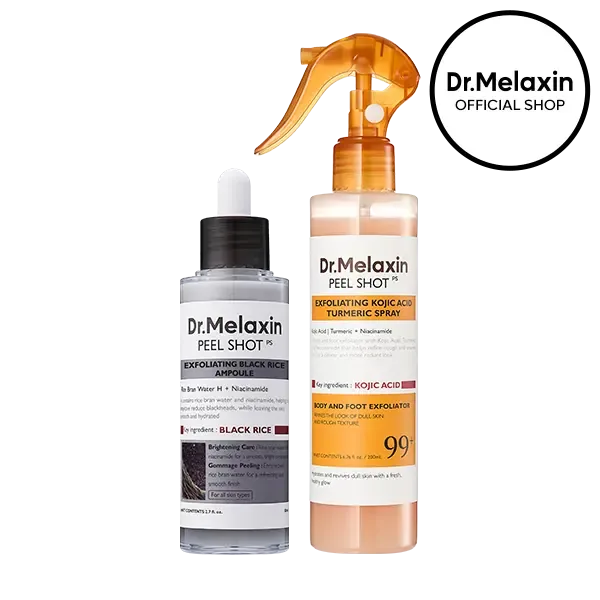
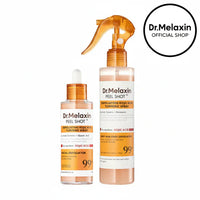
Yes. Apply the same multi-pathway approach to body hyperpigmentation. The Dr. Melaxin Kojic Acid Turmeric Spray is specifically designed for body use — the spray format makes application on larger areas convenient.
Is prescription hydroquinone better than OTC serums?
Prescription hydroquinone (4%) works faster but carries significant risks: ochronosis, rebound hyperpigmentation, and mandatory cycling. OTC multi-pathway treatments using TXA, arbutin, and kojic acid achieve comparable results within 12 weeks without these risks, making them preferable for most cases.