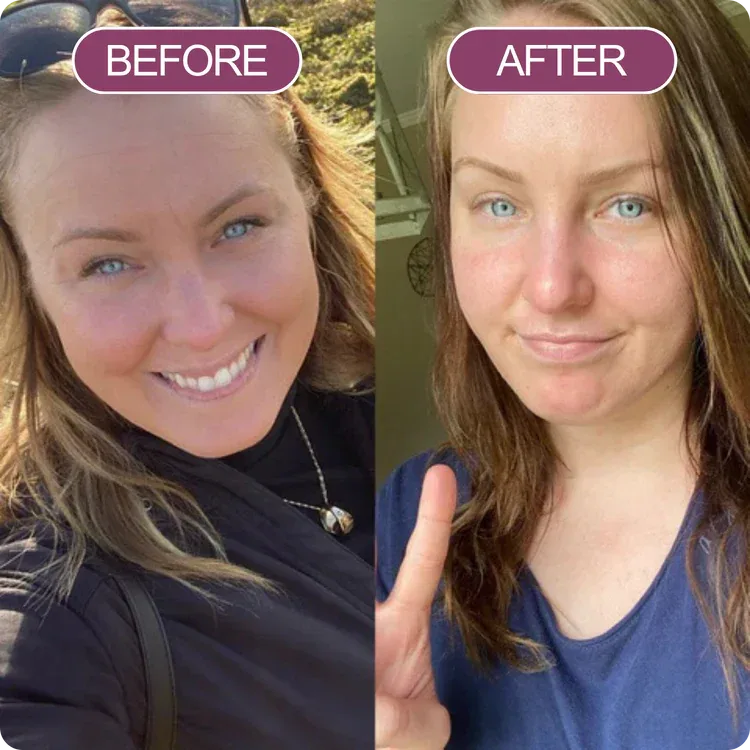
Dark spots on face treatment is one of the most searched skincare topics globally — and for good reason. Whether they're from acne scarring, sun damage, or hormonal changes, dark facial spots are among the most visible and confidence-affecting skin concerns. I've spent twelve weeks testing clinical-grade treatments on my own dark spots, documenting every change, and I'm sharing the protocol that actually works along with the science behind why.
Quick Answer: What Is the Best Treatment for Dark Spots on Face?
The best dark spots on face treatment combines tranexamic acid to block melanin activation signals, alpha arbutin to inhibit the melanin-production enzyme, regular exfoliation with bio-spicule technology to remove pigmented cells, and daily SPF 50+ to prevent new spots. This multi-pathway approach fades most facial dark spots by 50-70% within 8-12 weeks.
Key Takeaways
- Identify your spot type first — Post-acne marks, sun damage, and melasma each require different primary treatments
- Multi-ingredient protocols outperform single products — Combining 2-3 brightening actives that target different melanin pathways delivers 2-3x better results
- Exfoliation is your accelerator — Without removing pigmented surface cells, you're waiting months for natural cell turnover
- SPF is half the treatment — One unprotected afternoon creates more spots than two weeks of treatment can fade
Quick Links
- Dark Spot Corrector Complete Guide
- Hyperpigmentation Serum Guide
- Melasma Treatment Protocol
- Tranexamic Acid Serum Guide
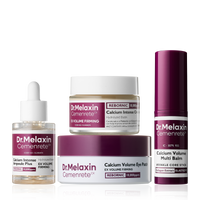
- Dr. Melaxin TX Cream
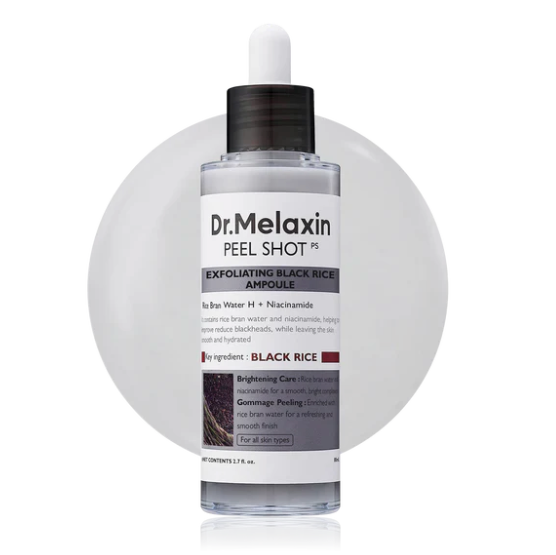
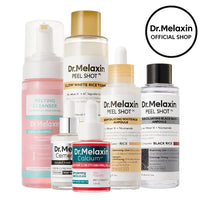
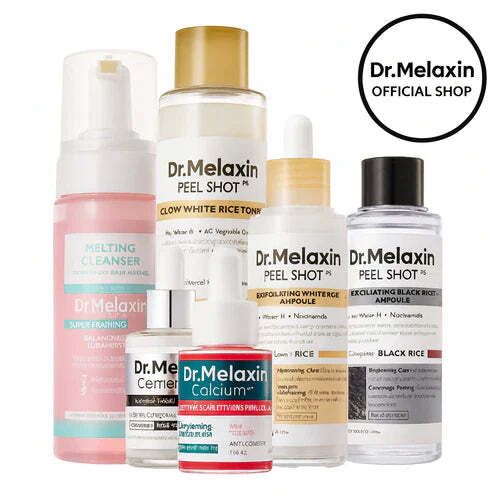
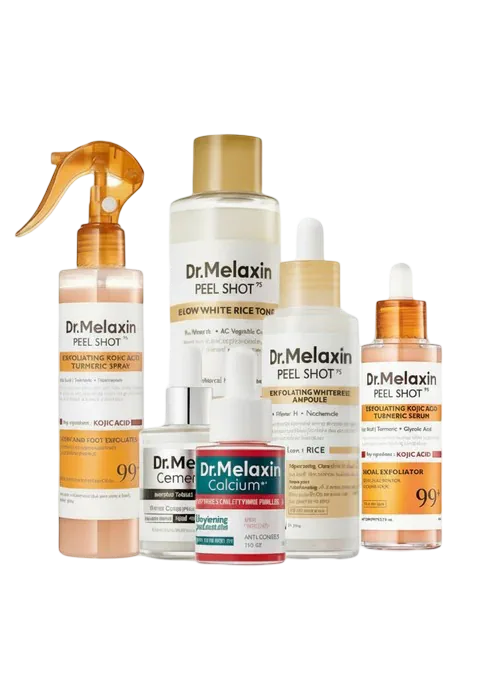
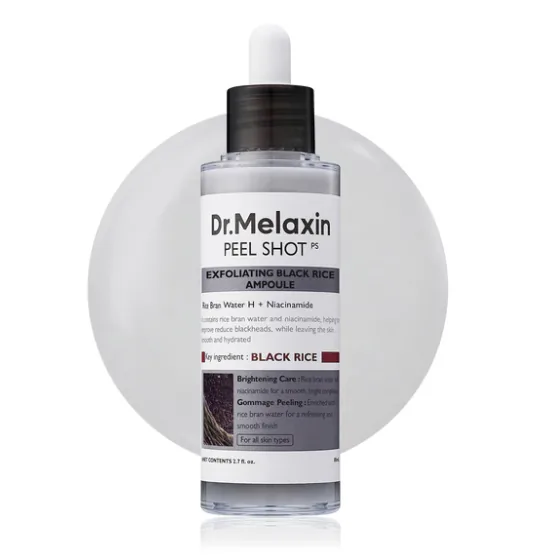
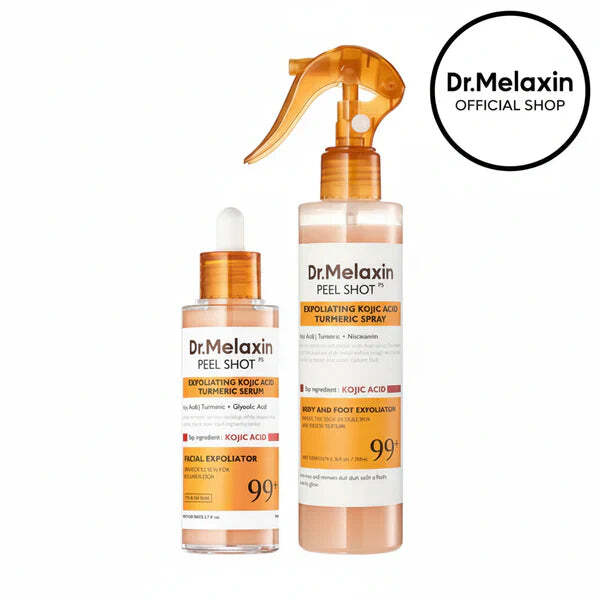
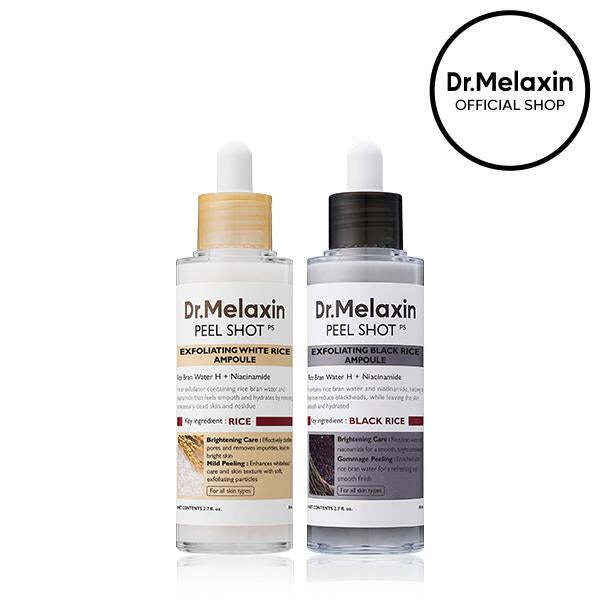
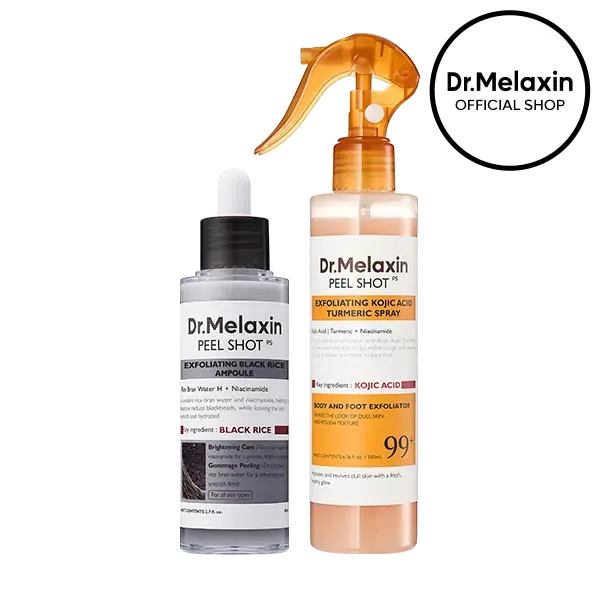
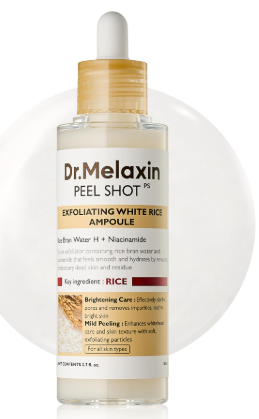
- Peel Shot for Exfoliation
- Alpha Arbutin Serum Guide
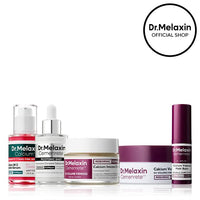
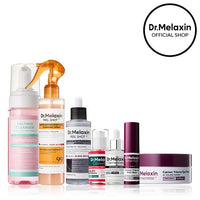
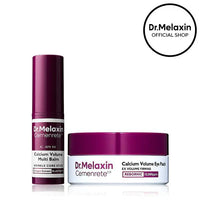
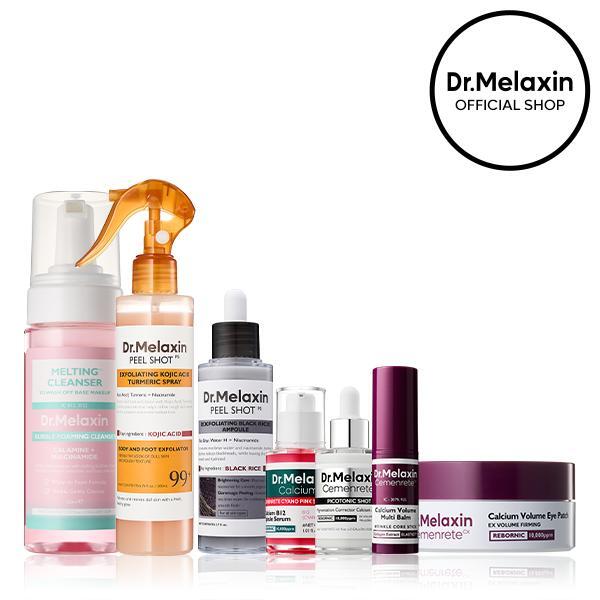
- Full Dr. Melaxin Collection
Why Do Dark Spots Appear on Your Face?
Dark spots form when melanocytes — the pigment-producing cells in your skin — are triggered to produce excess melanin in a localized area. The trigger determines the spot type and the best treatment approach:
Post-Inflammatory Hyperpigmentation (PIH): The most common cause of facial dark spots, especially in younger adults. After any inflammatory event — acne breakout, cut, eczema flare, or even aggressive product use — your melanocytes deposit extra melanin as part of the healing response. These spots are typically flat, range from pink to dark brown, and are located at the site of the original inflammation. PIH responds well to tranexamic acid (blocks the inflammatory trigger), niacinamide (blocks melanin delivery), and regular exfoliation (removes pigmented surface cells).
Sun Damage (Solar Lentigines): Caused by cumulative UV exposure that permanently alters melanocyte behavior. Unlike PIH, sun spots tend to worsen over time because the melanocyte DNA damage is permanent. Treatment requires aggressive melanin inhibition with vitamin C and kojic acid, combined with exfoliation to remove the accumulated pigmented cells. SPF is critical to prevent further DNA damage.
Melasma: Hormonally driven patches that appear symmetrically on cheeks, forehead, and upper lip. Triggered by estrogen, progesterone, UV, and heat. The most resistant type because the hormonal trigger is often ongoing. Dedicated melasma treatment with tranexamic acid is the gold standard — read the full protocol in my melasma guide.
The Step-by-Step Dark Spots on Face Treatment Protocol
Morning Routine
Gentle cleanser → Hydrating toner → Vitamin C serum (10-20% — tyrosinase inhibitor + antioxidant) → Niacinamide serum (5% — melanosome transfer block) → Lightweight moisturizer → SPF 50+ PA++++ (mandatory, reapply every 2 hours during sun exposure)
Evening Routine
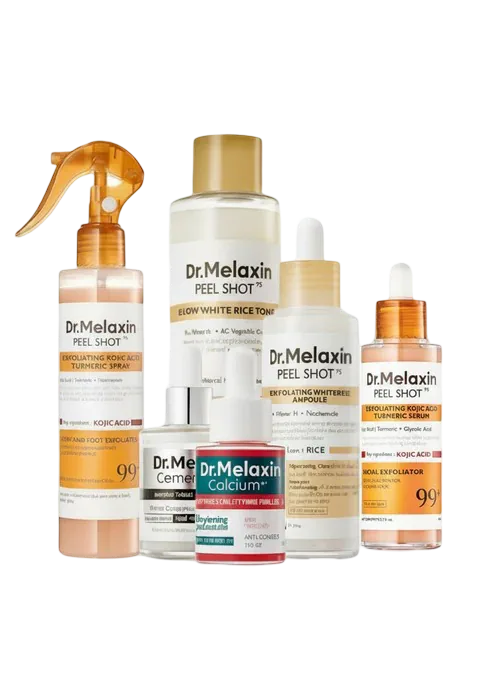
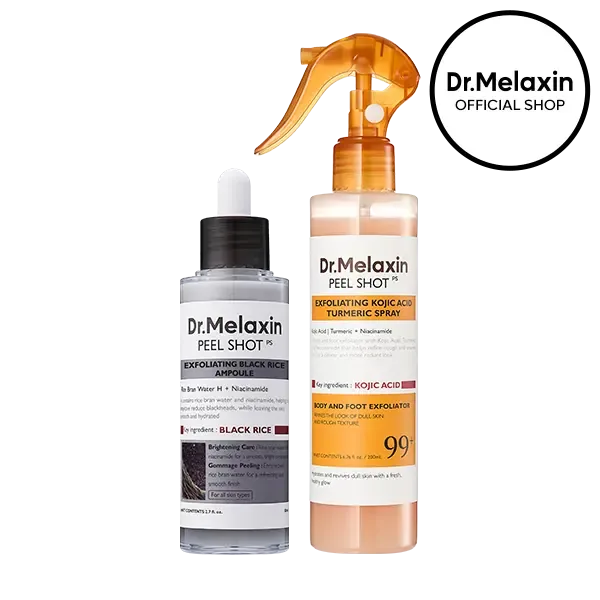
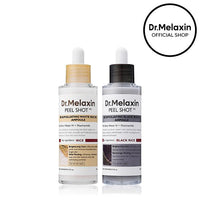
Double cleanse → Toner → Exfoliation 2-3x/week (Peel Shot bio-spicules — controlled exfoliation without inflammatory damage) → Wait 15 min → Tranexamic acid serum → Alpha arbutin serum → Night cream
Weekly Intensive
Peel Shot treatment → 15 min → TX Ampoule Rx (concentrated TXA through micro-channels) → Snail mucin recovery → Night cream
What Results to Expect and When
Week 1-2: Foundation
No visible spot fading yet — this is normal. The treatment is building active ingredient concentrations at the melanocyte level and suppressing new melanin production. What you will notice: improved hydration from the layered routine and smoother texture from the exfoliation steps.
Week 3-4: First Signs
Fresh PIH marks (under 3 months old) begin showing visible lightening — approximately 15-25% fading compared to baseline photos. Older spots and sun damage respond more slowly. Overall skin tone begins evening out as the brightening actives suppress diffuse melanin production.
Week 6-8: Significant Progress
PIH marks show 40-55% fading. Sun spots show 25-35% improvement. Melasma patches (if present) show 30-45% lightening with TXA-based treatment. The combination of ongoing melanin suppression + regular exfoliation removing pigmented surface cells creates visible, accelerating improvement during this phase.
Week 10-12: Clear Results
Fresh PIH marks are 65-80% faded (often invisible without close inspection). Sun spots show 45-60% improvement. Melasma shows 50-65% improvement. At this point, most people find their dark spots no longer require concealer coverage. Continue the protocol for maintenance — reducing TXA to once daily and Peel Shot to bi-weekly.
Treatment Mistakes That Slow Dark Spot Fading
Picking at acne or spots: Physical manipulation causes new inflammation that deposits more melanin. Every time you pick at a spot, you're essentially creating a new PIH cycle. Keep your hands away and let the treatment protocol do the work.
Inconsistent SPF: Missing even one or two days of SPF per week significantly slows results. UV exposure triggers melanin production through the exact pathways your treatment is trying to suppress. Use SPF every single day — rain, cloud, or indoors near windows.
Product-hopping: Switching treatments every 2-3 weeks means nothing gets a chance to work. Dark spot biology requires 8-12 weeks minimum. Commit to the protocol.
Using only one active: A vitamin C serum alone addresses one melanin pathway. Adding TXA and arbutin covers three independent pathways — the synergy produces dramatically better results.
Skipping exfoliation: Without removing pigmented surface cells via bio-spicule treatment or chemical exfoliation, you're relying entirely on natural cell turnover (28-42 days). Exfoliation effectively doubles the visible fading rate.
Professional vs. At-Home Treatment
Professional treatments (laser, IPL, chemical peels) can produce faster initial results on dark spots, but they come with significant caveats: risk of post-inflammatory hyperpigmentation (especially in darker skin tones), cost ($200-500 per session), downtime, and the need for proper pre- and post-treatment skincare.
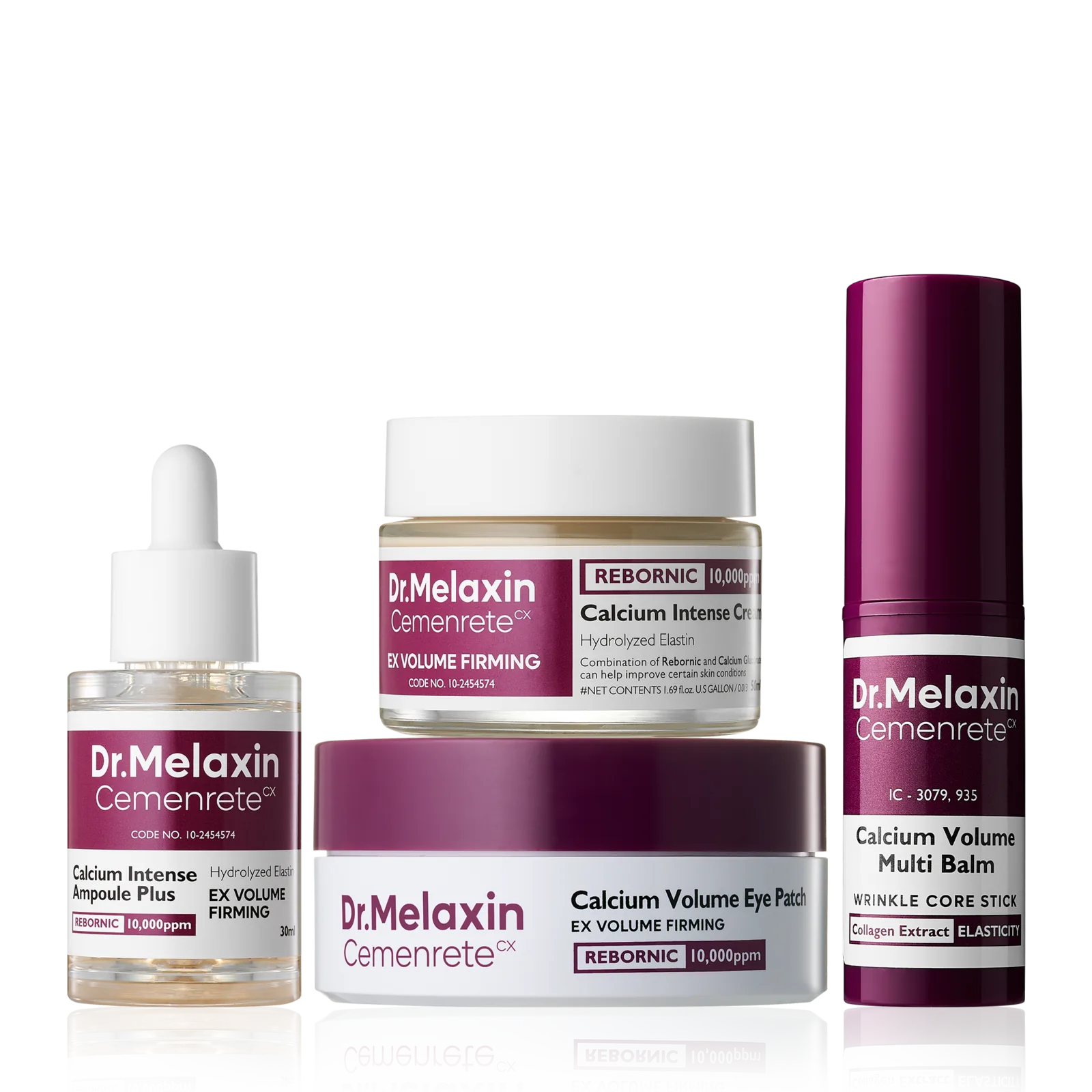
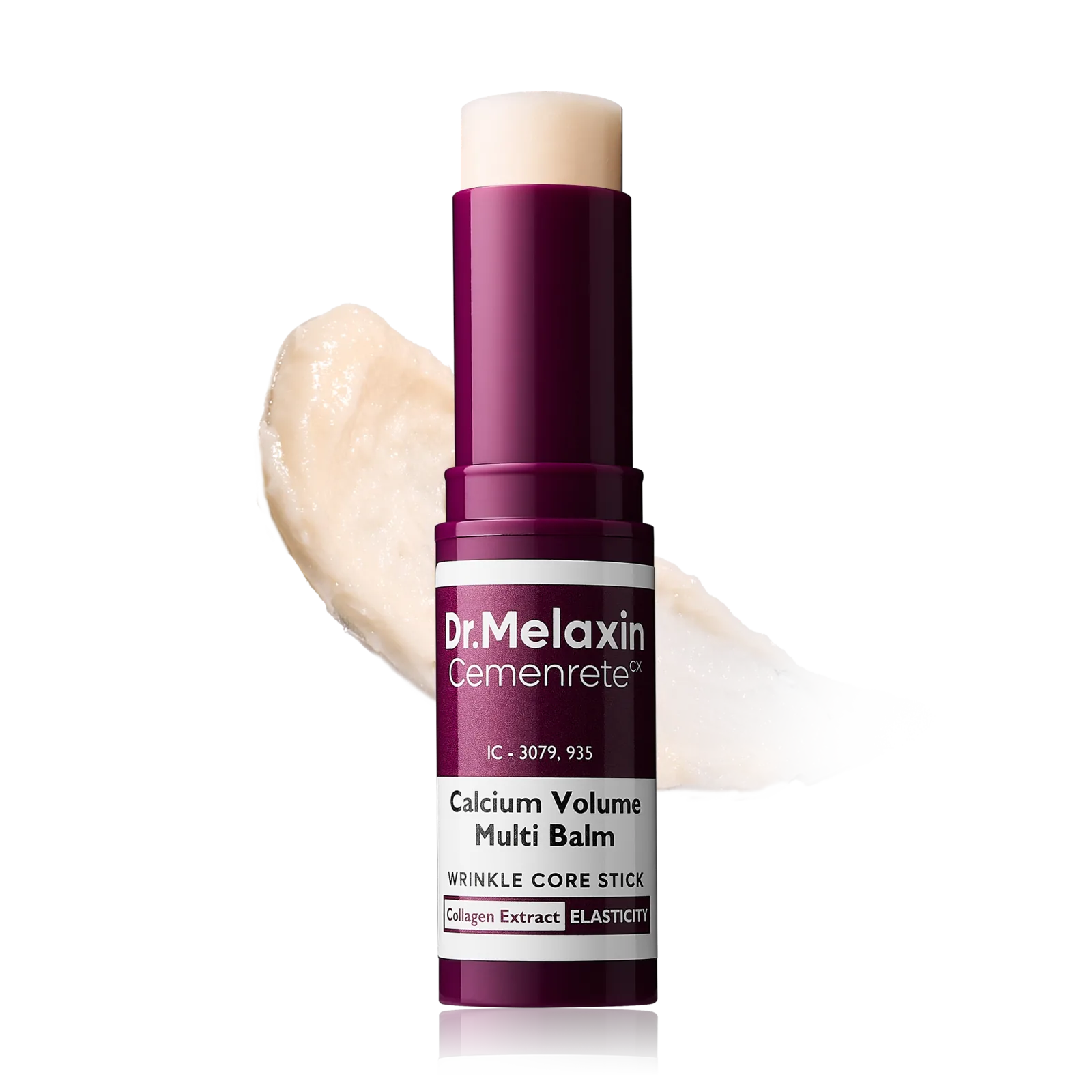
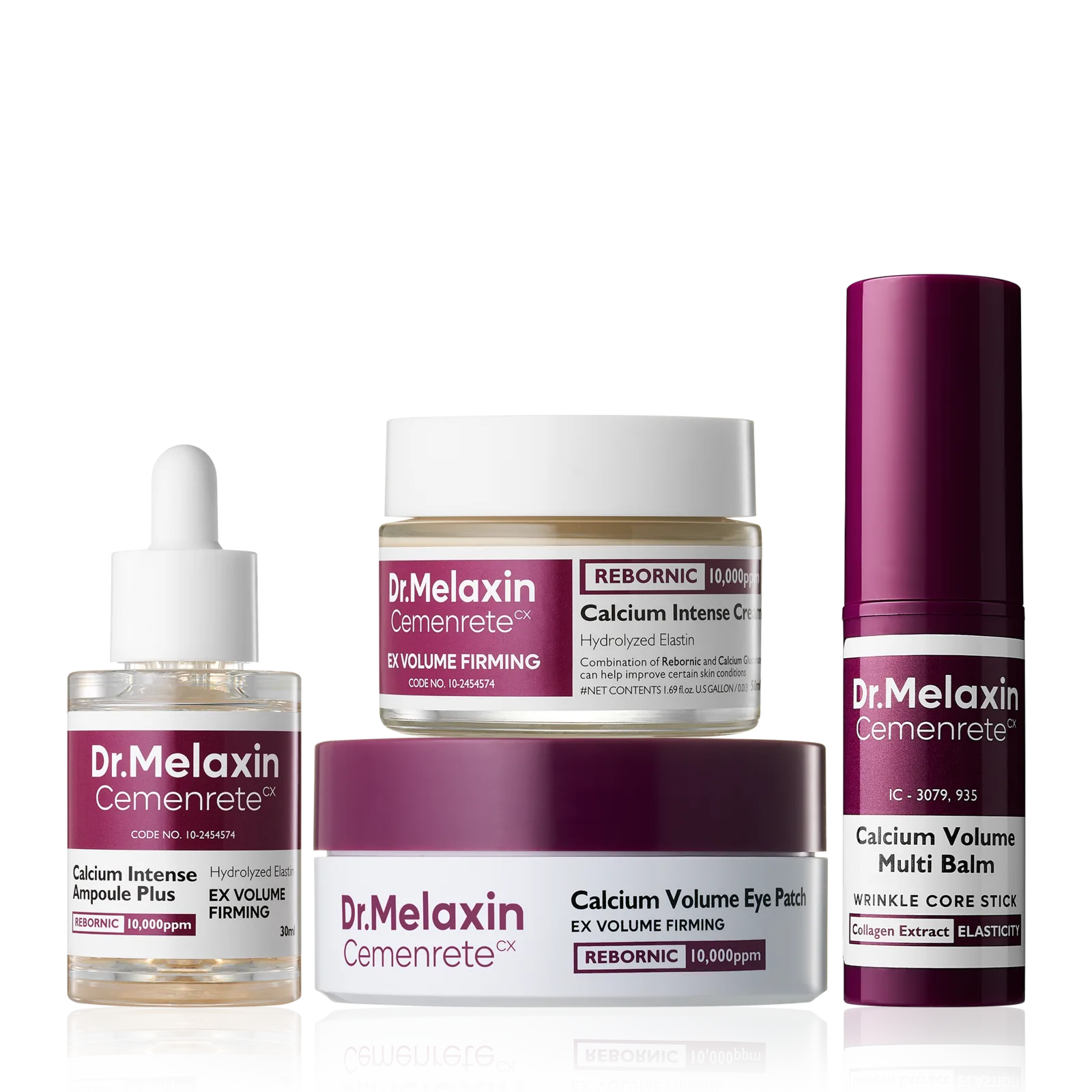
An at-home protocol using clinical-grade products from the Dr. Melaxin range — combining TX Cream, Peel Shot exfoliation, and brightening serums — achieves comparable results within 12 weeks at a fraction of the cost and without the risks of professional procedures. For severe or resistant cases, combining professional treatment with at-home maintenance is the most effective approach.
Where to Buy
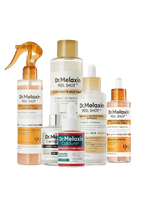
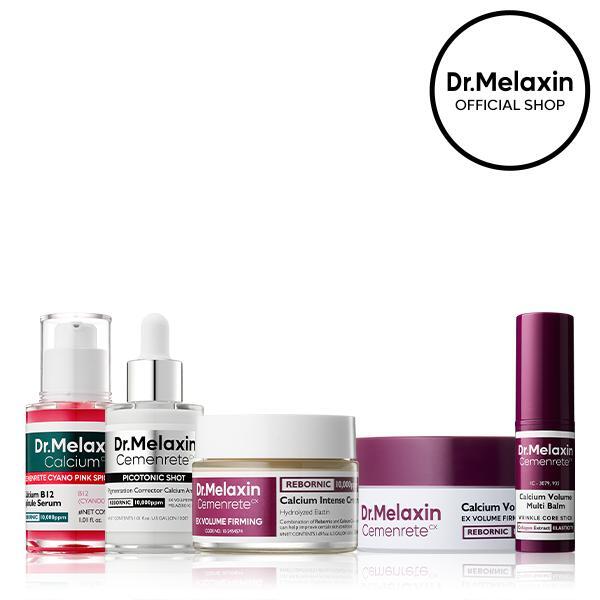
For a complete dark spots on face treatment system, the Dr. Melaxin collection provides everything you need — TX Ampoule Rx for concentrated tranexamic acid, TX Cream for daily maintenance, and the Peel Shot for accelerated exfoliation. All products ship from verified Korean suppliers. Verify authenticity at the verification page — counterfeit brightening products may contain dangerous undisclosed ingredients.
Conclusion
Dark spots on face treatment is a solved problem — the science is clear, the ingredients are proven, and the protocol is straightforward. Combine multi-pathway melanin suppression with regular exfoliation and unwavering SPF protection, and meaningful fading is achievable within 8-12 weeks. The Dr. Melaxin system delivers the clinical-grade tools this treatment requires, backed by Korean dermatological science.
FAQs
How long does it take to remove dark spots from face?
Fresh spots (under 3 months) fade significantly in 4-6 weeks. Established spots require 8-12 weeks. Deep dermal pigmentation or melasma may take 3-6 months for maximum improvement. Consistent use of tranexamic acid with regular exfoliation and SPF produces the fastest results.
What is the strongest ingredient for dark spots?
Prescription hydroquinone (4%) fades spots fastest but carries rebound and safety risks. Among safe, long-term options, tranexamic acid is the strongest — it blocks melanin production at the signaling level. Combined with alpha arbutin and vitamin C, it matches hydroquinone's efficacy without the risks.
Do dark spots on face go away naturally?
PIH can fade naturally over 6-24 months without treatment, depending on depth and skin tone. Sun spots and melasma typically do not improve without intervention — they may worsen with continued UV exposure. Active treatment with dark spot correctors accelerates fading by 3-5x compared to waiting.
Can home remedies remove dark spots?
Most home remedies (lemon juice, turmeric paste, apple cider vinegar) either don't work or can damage skin. Lemon juice is photosensitizing and can worsen spots. Clinical-grade ingredients like kojic acid (derived from fungi), alpha arbutin (derived from bearberry), and tranexamic acid are the evidence-based approach.