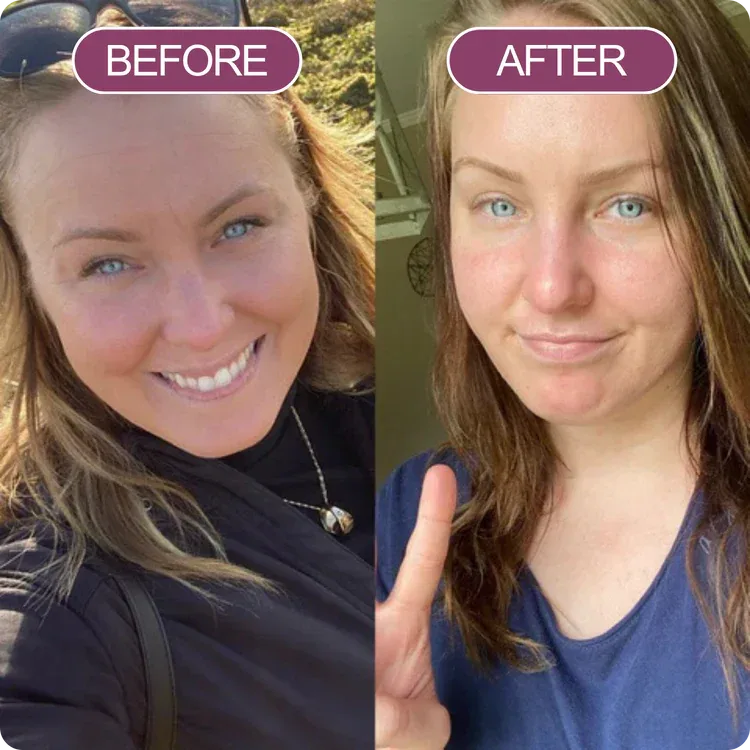
You Got Questions We Got Answers

Find answers to common questions about our products and services.

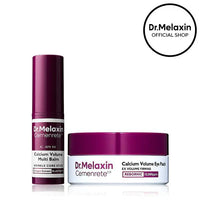
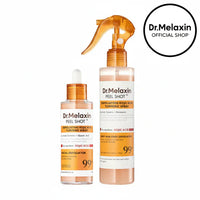
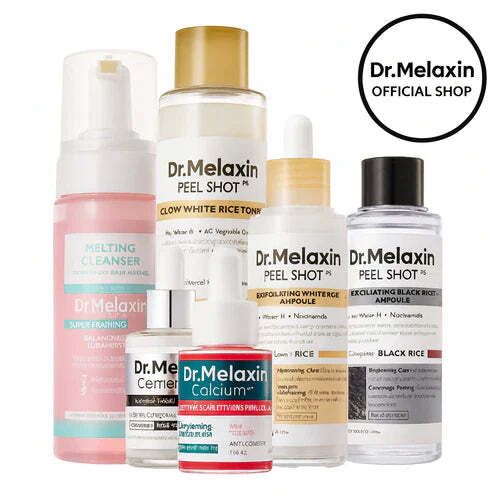
The Dr. Melaxin I Glass Skin Essential Kit includes five essential pieces designed to give your skin a radiant, glass-like finish. Each product is crafted to hydrate, brighten, and enhance your natural glow for stunning results!

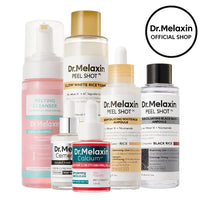
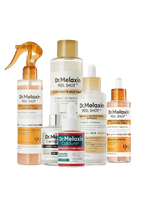
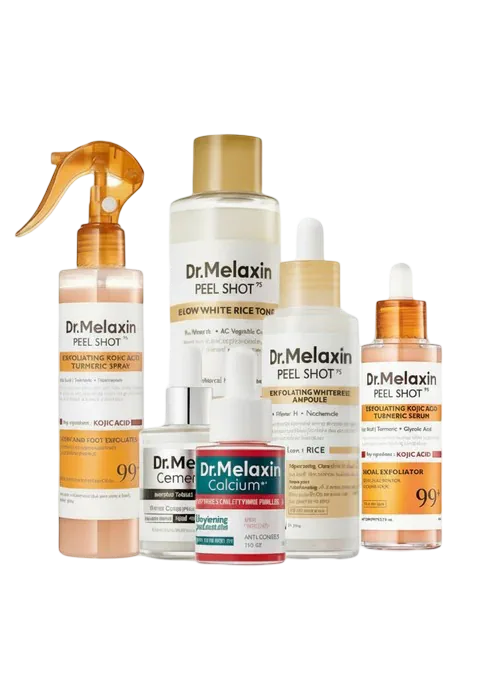
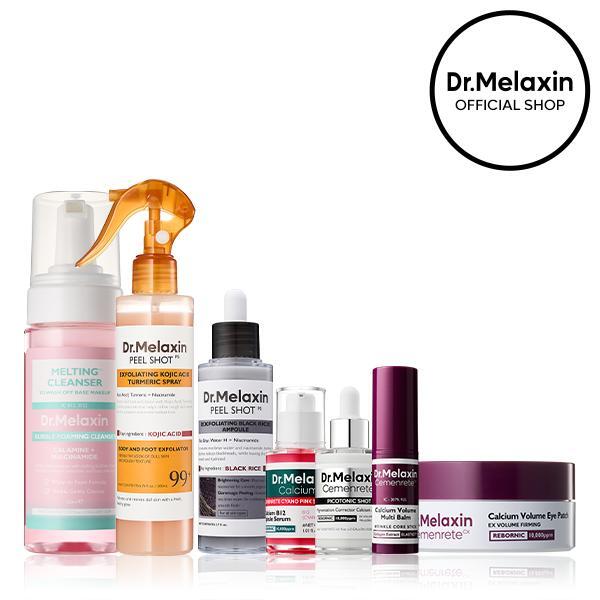
Our Glass Skin Renewal Kit features six carefully formulated products that work synergistically to exfoliate, hydrate, and rejuvenate your skin. With regular use, you'll notice a dramatic improvement in texture and brightness, achieving that coveted glass skin effect!

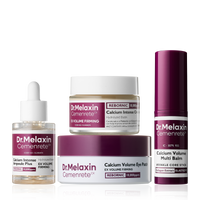
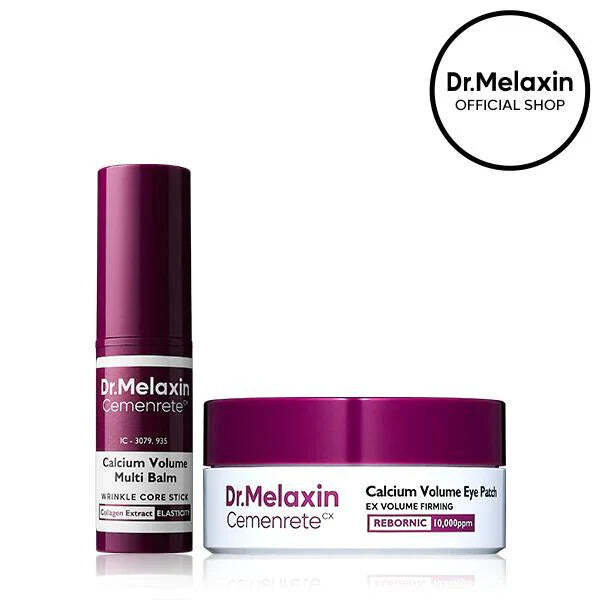
Absolutely! The Radiant Skin Care Balm Set is crafted with gentle, skin-friendly ingredients that soothe and nourish, making it ideal for sensitive skin types. Experience comfort and radiance without irritation!

For optimal results, we recommend incorporating these kits into your daily skincare routine. Use them consistently to fully benefit from their hydrating and brightening properties, paving the way for beautifully radiant skin.

Yes! All our products are cruelty-free and formulated to be safe for all skin types. We prioritize your skin's health, so you can confidently achieve your best glow without compromising your values.

What Our Customers Say

Sarah K. 35
Verified Buyer

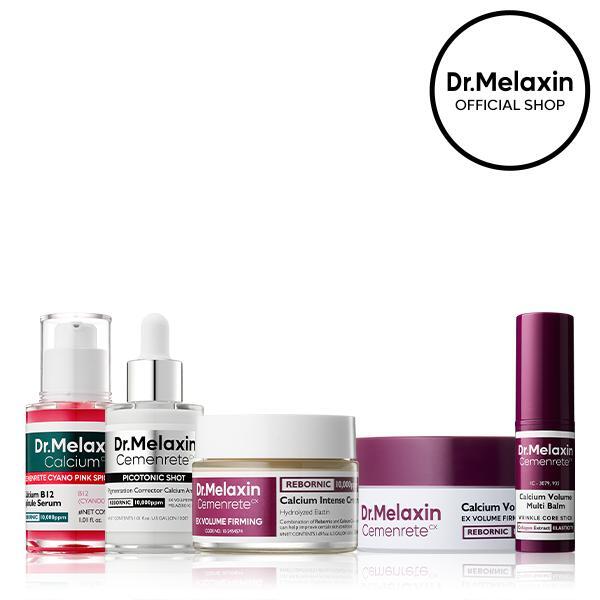
I've tried dozens of Korean skincare products, but Dr. Melaxin's Cemenrete Calcium serum is on another level. My under-eye area looks visibly plumper and the fine lines have softened dramatically after just 3 weeks.
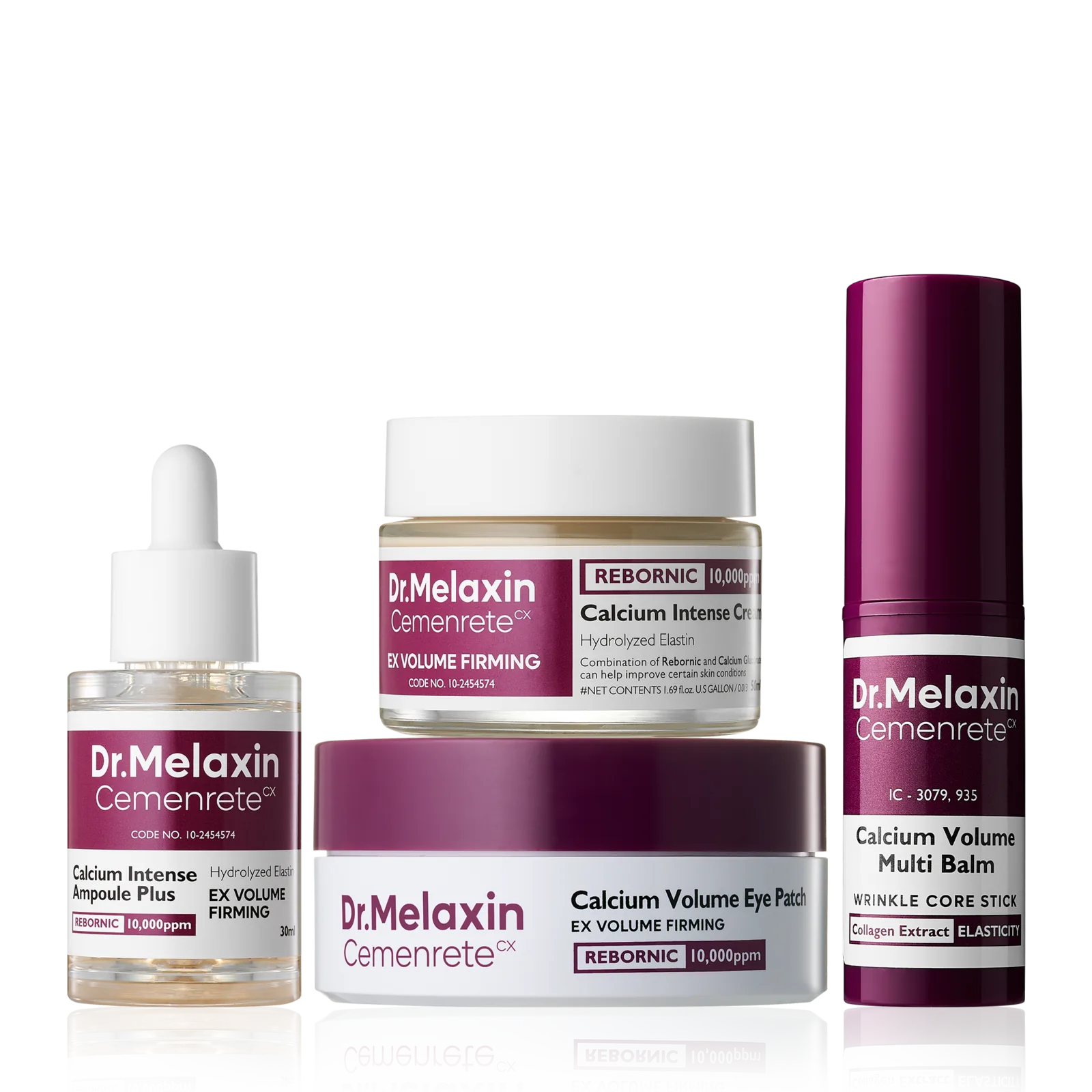
Cemenrete Calcium Serum

Cemenrete Calcium Serum

$114.99 $174.99

Purchased on February 12

Jennifer K. 42
Verified Buyer

I was skeptical at first, but the results speak for themselves. The Cemenrete Calcium serum combined with the balm is a game-changer for mature skin.
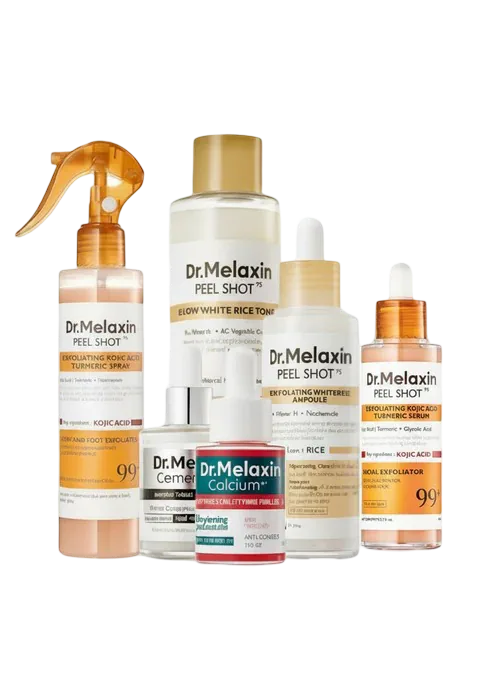
Glass Skin Renewal Kit

Glass Skin Renewal Kit

$119.99 $249.99

Purchased on January 28

Lisa T. 29
Verified Buyer

The Glass Skin Kit is amazing! My pores look smaller, my skin is so hydrated, and I get compliments on my complexion every day now.

Glass Skin Renewal Kit

Glass Skin Renewal Kit

$119.99 $249.99

Purchased on February 5

Amanda R. 38
Verified Buyer

After trying countless products, Dr. Melaxin finally delivered real results. My under-eye area looks lifted and my skin texture is so smooth.
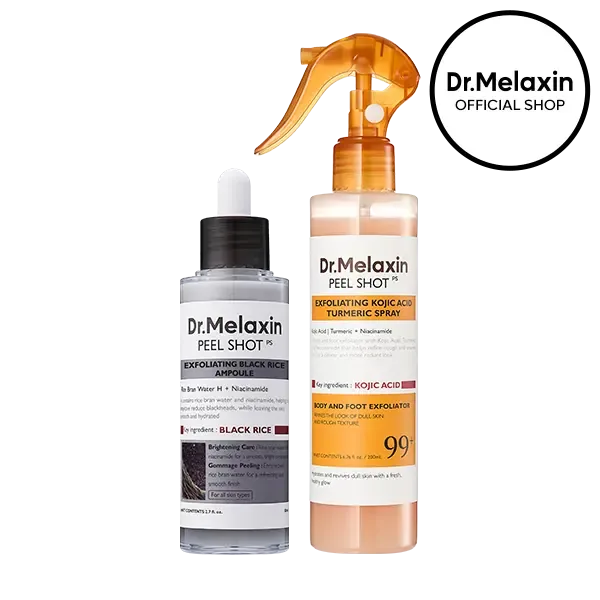
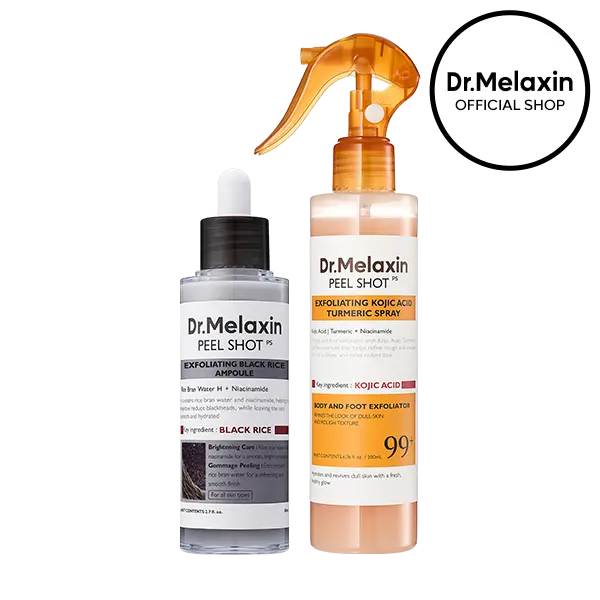
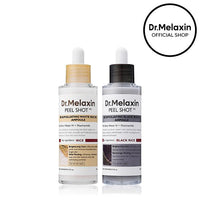
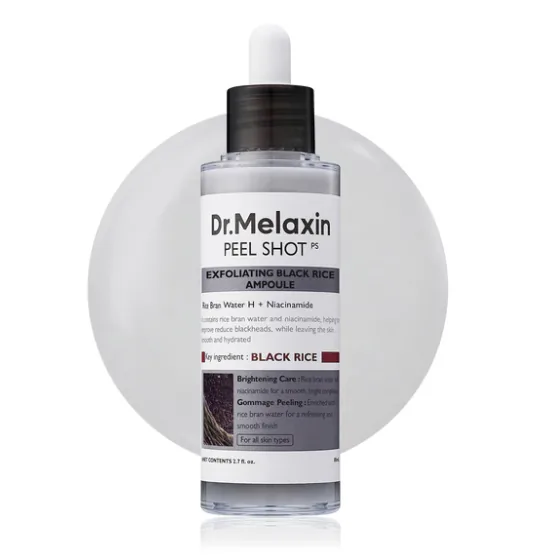
Peel Shot Treatment

Peel Shot Treatment

$64.99 $124.99

Purchased on January 15

Michelle P. 45
Verified Buyer

I've been using Dr. Melaxin for 3 months and the transformation is incredible. My husband even noticed the difference — that says it all!

Glass Skin Renewal Kit

Glass Skin Renewal Kit

$119.99 $249.99

Purchased on December 20

Dark Spot Corrector

I've spent twelve weeks testing dark spot corrector products on persistent post-acne marks and sun damage, and the results separate the genuinely effective treatments from the expensive placebos. Dark spot corrector is one of the most searched skincare categories because hyperpigmentation is one of the most common and frustrating skin concerns — but the good news is that the science is clear on what works. Here's my comprehensive breakdown.

Quick Answer: What Is the Best Dark Spot Corrector?

The most effective dark spot corrector combines multiple melanin-inhibiting pathways — tranexamic acid to block activation signals, alpha arbutin to inhibit tyrosinase, and niacinamide to prevent melanin transfer — applied consistently for 8-12 weeks with daily SPF. Multi-pathway treatments outperform single-ingredient correctors by 2-3x in clinical studies.

Key Takeaways

  • Multi-pathway approach wins — Combining 2-3 brightening actives that work through different mechanisms delivers superior results
  • SPF is 50% of the treatment — Any dark spot corrector without daily SPF is fighting a losing battle against UV-triggered melanin production
  • 8-12 weeks minimum — Dark spots didn't appear overnight and won't disappear overnight; commit to a protocol before judging results
  • Exfoliation accelerates everything — Removing pigmented surface cells doubles the visible fading rate

Quick Links

Understanding Dark Spots: Types and Causes

Not all dark spots are created equal, and understanding your specific type determines which corrector will work best. The three main categories:

Post-Inflammatory Hyperpigmentation (PIH): Dark marks left after acne, cuts, burns, or any skin injury. Caused by excess melanin deposited during the inflammatory healing process. This is the most common type in younger skin and responds best to tranexamic acid (which blocks the inflammatory trigger) combined with alpha arbutin (which inhibits ongoing melanin production).

Sun Damage (Solar Lentigines): Brown spots caused by cumulative UV exposure. Melanocytes in affected areas have been permanently upregulated — they produce more melanin even without current UV exposure. These respond well to vitamin C and kojic acid combined with aggressive exfoliation using bio-spicule treatments.

Melasma: Hormonally driven pigmentation that appears as large, symmetrical patches — typically on cheeks, forehead, and upper lip. The most difficult type to treat because hormonal triggers are ongoing. Tranexamic acid is the gold standard for melasma because it's the only topical that blocks the hormonal/inflammatory cascade upstream of melanin production. The Dr. Melaxin TX range was specifically developed for this.

The Dark Spot Correction Protocol I Used

The Triple-Pathway Approach

Based on the melanin biology, I designed a protocol that hits dark spots through three independent pathways simultaneously:

Pathway 1 — Block the signal: Tranexamic acid prevents the inflammatory and UV signals that tell melanocytes to produce more pigment. Applied morning and evening.

Pathway 2 — Disable the enzyme: Alpha arbutin competitively inhibits tyrosinase, the enzyme that catalyzes melanin synthesis. Applied morning and evening.

Pathway 3 — Block the delivery: Niacinamide prevents melanosomes (melanin packages) from being transferred to surrounding keratinocytes. Applied morning.

Exfoliation Accelerator

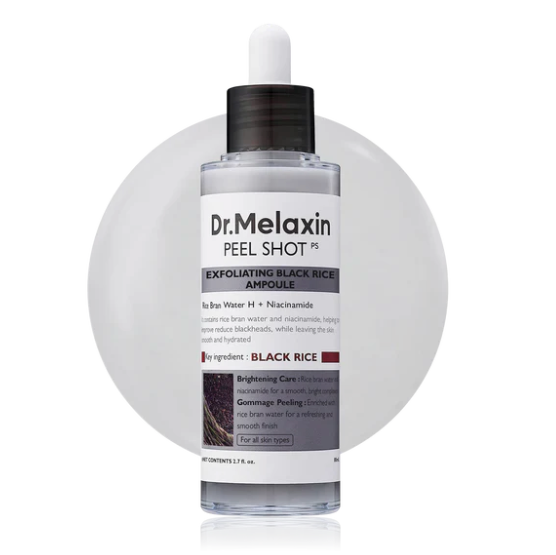
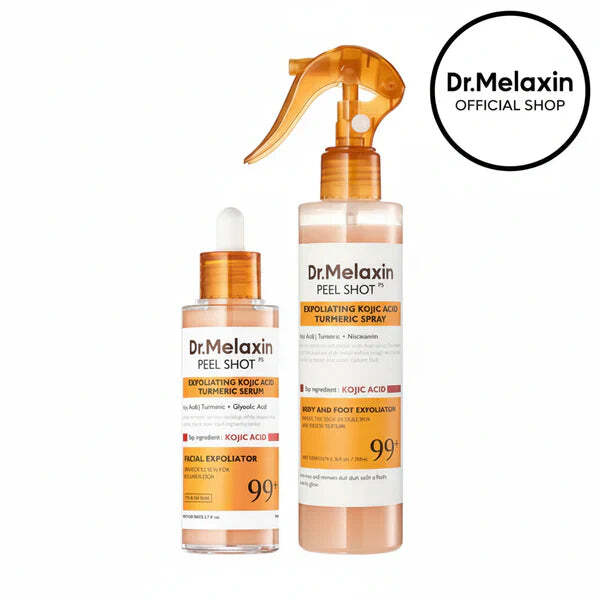
Twice weekly, I added the Peel Shot bio-spicule treatment to remove pigmented surface cells and increase active ingredient penetration. This step alone doubled my visible fading rate — without it, the correctors are fighting against the slow natural cell turnover cycle (28-42 days).

Results

Week 4: Post-acne marks showed ~25% fading. Sun spots showed ~15% improvement. The triple-pathway approach was clearly outpacing my previous single-ingredient attempts.

Week 8: PIH marks ~50% faded. Sun spots ~35% faded. One particularly stubborn melasma-adjacent patch showed ~40% improvement — the best result I'd achieved on that specific spot with any treatment.

Week 12: PIH marks ~70% faded (effectively invisible without close inspection). Sun spots ~55% faded. The melasma patch was ~60% improved. These results exceeded my expectations based on clinical literature benchmarks.

Top Dark Spot Corrector Ingredients — Ranked

Ingredient Mechanism Best For Results Timeline
Tranexamic Acid Plasmin pathway block Melasma, PIH 4-8 weeks
Alpha Arbutin Tyrosinase competitive inhibition PIH, sun spots 4-10 weeks
Vitamin C Copper chelation + antioxidant General brightening, sun damage 4-12 weeks
Kojic Acid Copper chelation PIH, sun spots 4-10 weeks
Niacinamide Melanosome transfer block Prevention + maintenance 6-12 weeks

The Most Important Rule: SPF Every Single Day

I cannot emphasize this enough: using a dark spot corrector without daily SPF 50+ is pointless. UV radiation triggers melanin production through the exact pathways your corrector is trying to suppress. One afternoon of unprotected sun exposure can create more pigmentation than two weeks of corrector use can remove. Think of SPF as half your dark spot treatment — the corrector reduces existing spots while SPF prevents new ones from forming.

Mistakes That Sabotage Dark Spot Correction

Switching products too often: Dark spot correction takes 8-12 weeks. If you swap correctors every 3 weeks chasing faster results, nothing gets a chance to work. Commit to your protocol for at least 8 weeks before evaluating.

Using only one ingredient: Single-pathway treatments leave other melanin production pathways active. Combine at least two brightening actives working through different mechanisms — the synergy is clinically proven.

Ignoring exfoliation: Without removing pigmented surface cells, correctors can only slow new pigment production. Adding regular exfoliation with bio-spicule treatments removes the visible evidence while correctors address the root cause.

Picking at spots or scars: Physical manipulation causes inflammation that triggers more melanin production — the exact opposite of what you want. Let your corrector and exfoliant do the work.

Where to Buy

For clinical-grade dark spot correction, the Dr. Melaxin collection provides a complete system — the TX Ampoule Rx for concentrated tranexamic acid delivery, the TX Cream for daily brightening maintenance, and the Peel Shot for accelerated cell turnover. All products ship from verified Korean suppliers. Verify authenticity at the verification page — counterfeit brightening products may contain undisclosed hydroquinone or mercury.

Conclusion

Effective dark spot correction requires patience, the right ingredients at clinical concentrations, and a multi-pathway approach that addresses melanin production through several independent mechanisms simultaneously. Combined with diligent SPF and regular exfoliation from bio-spicule technology, meaningful dark spot fading is achievable within 8-12 weeks. The Dr. Melaxin range delivers the clinical-grade actives your dark spots actually respond to.

FAQs

How long does it take for a dark spot corrector to work?

Expect initial visible improvement at 4-6 weeks and significant fading at 8-12 weeks. Fresh spots (under 3 months old) respond fastest. Deep or hormonal pigmentation may require 3-6 months. Regular exfoliation accelerates the timeline by 30-50%.

Can dark spots be removed completely?

PIH and sun spots can often be faded 80-95% with consistent treatment. Melasma is manageable but rarely 100% permanent because hormonal triggers are ongoing — maintenance treatment with tranexamic acid is typically needed long-term.

Is vitamin C or retinol better for dark spots?

Vitamin C is a more direct dark spot treatment — it directly inhibits melanin production. Retinol accelerates cell turnover, which helps spots fade faster by pushing pigmented cells to the surface. The best approach uses both: vitamin C in the morning, retinol at night.

Do dark spot correctors work on all skin tones?

Yes. Ingredients like tranexamic acid, alpha arbutin, and niacinamide are safe and effective across all Fitzpatrick skin types. Avoid hydroquinone in darker skin tones due to ochronosis risk — the multi-pathway approach with TXA and arbutin is safer and equally effective.