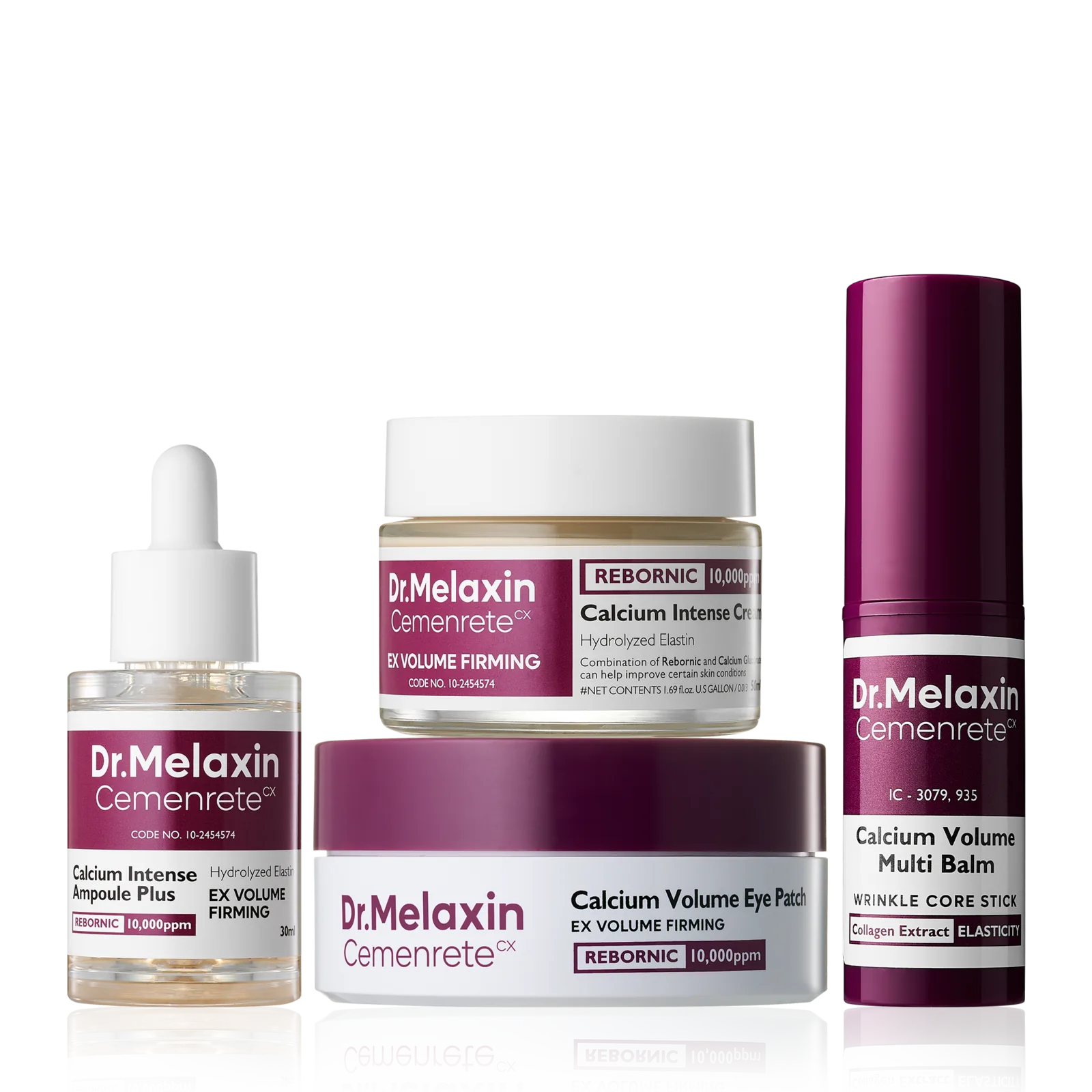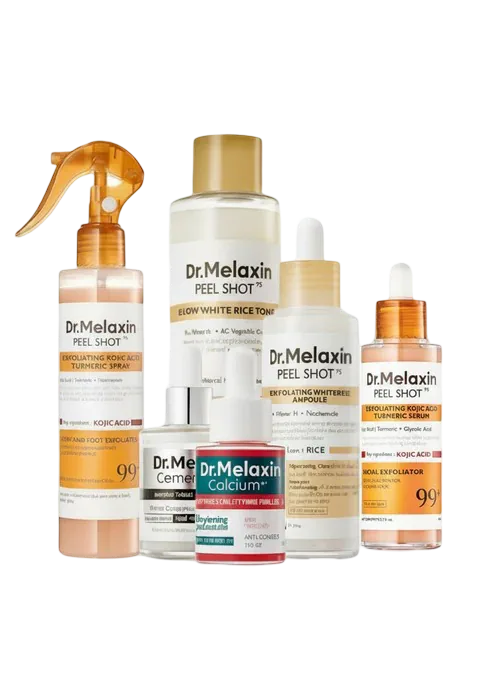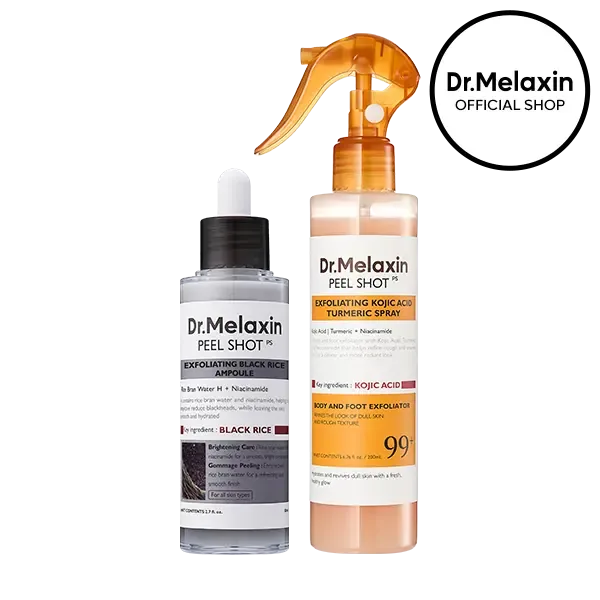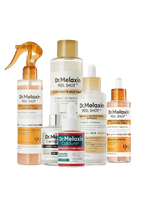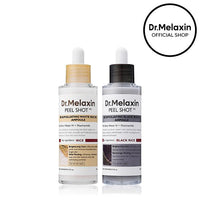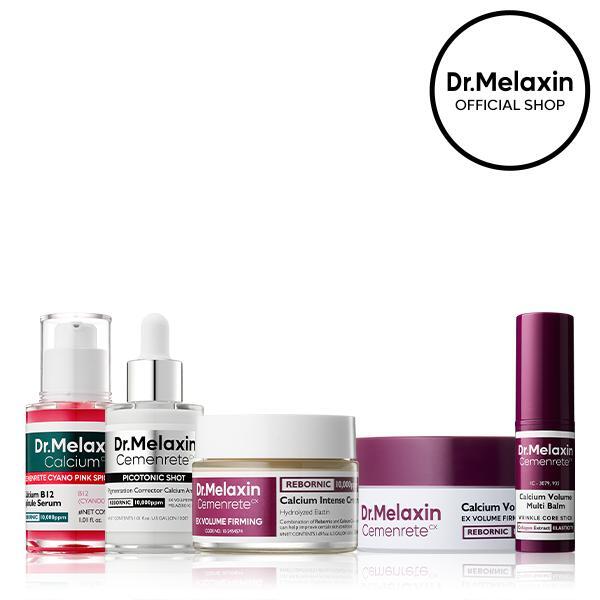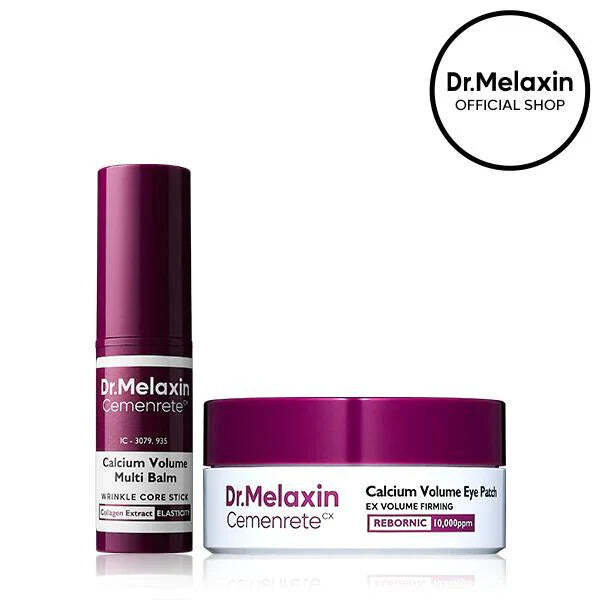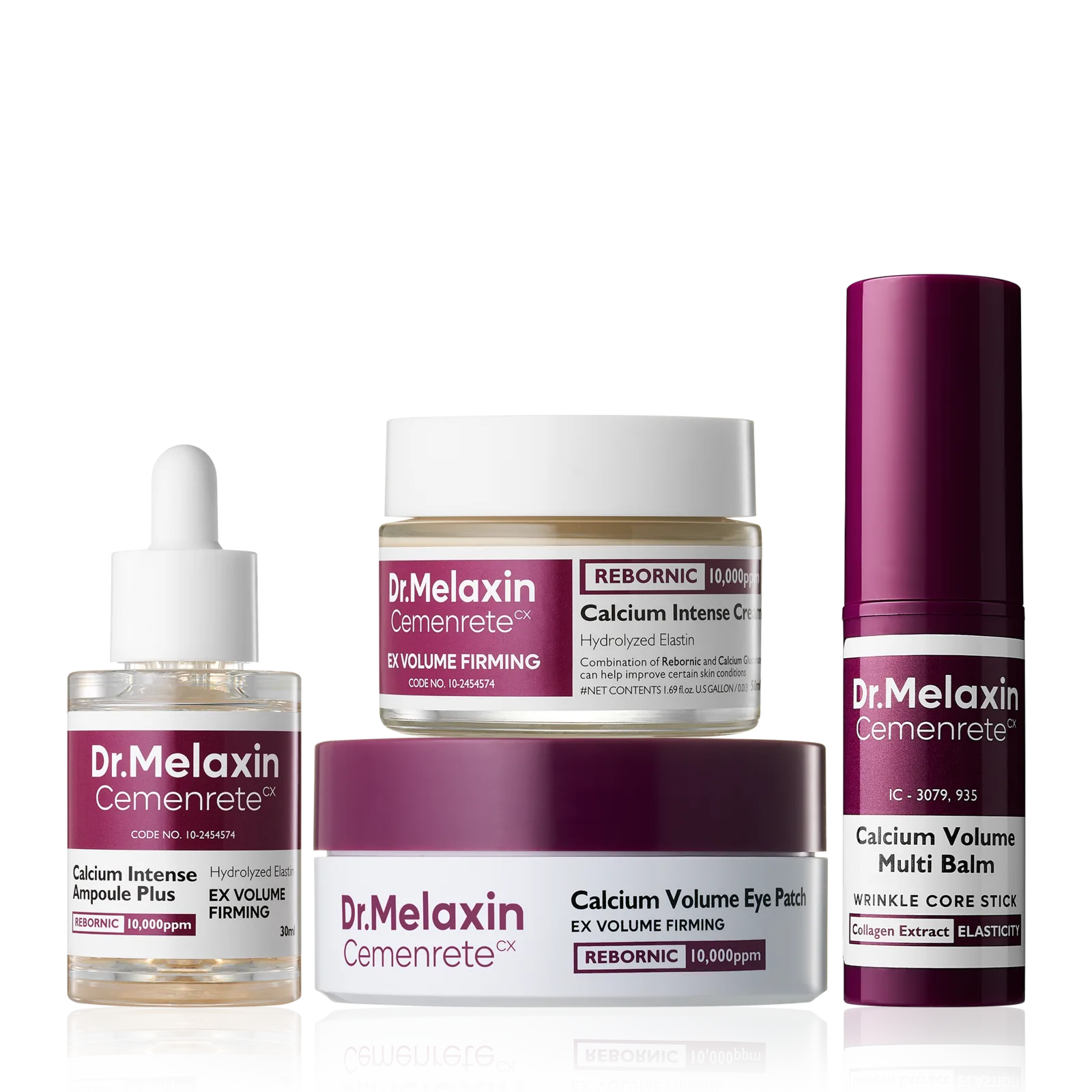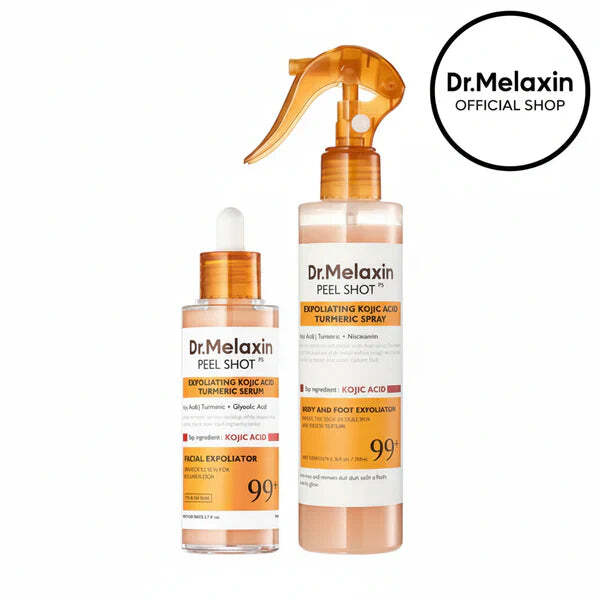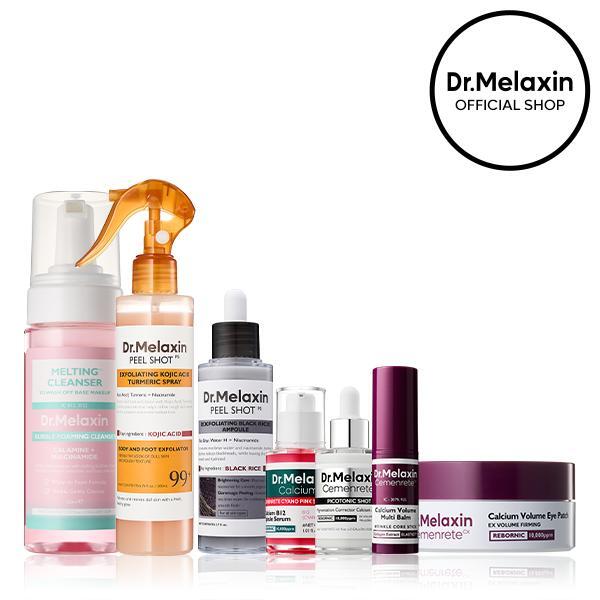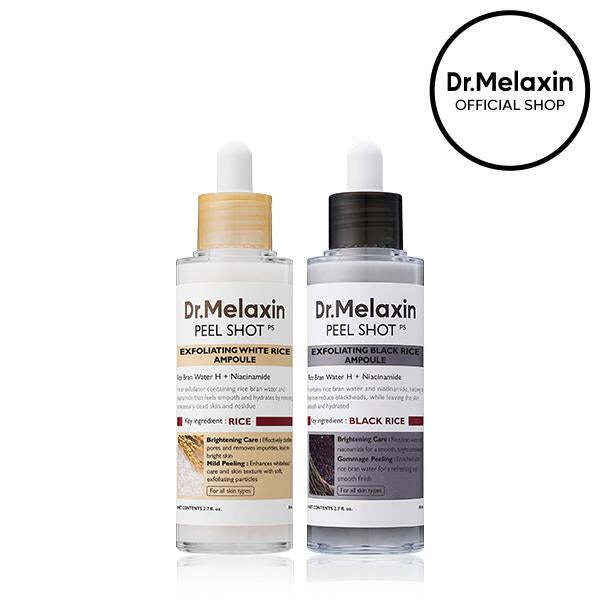
I spent the better part of two months testing every snail mucin serum I could get my hands on — from drugstore finds to clinical-grade Korean formulations. Snail mucin serum has become one of the most talked-about ingredients in K-beauty, and after seeing the results on my own skin, I understand why. Here's everything I learned about this ingredient, backed by actual dermatological research.
Quick Answer: What Does Snail Mucin Serum Do For Your Skin?
Snail mucin serum delivers a concentrated dose of glycoproteins, hyaluronic acid, and glycolic acid that work together to hydrate, repair damaged skin barrier, fade hyperpigmentation, and accelerate wound healing. Clinical studies show measurable improvement in skin texture within 4-6 weeks of consistent use.
Key Takeaways
- Multi-functional ingredient — Snail mucin contains natural hyaluronic acid, allantoin, and peptides that address hydration, texture, and scarring simultaneously
- Clinically validated — Peer-reviewed studies confirm snail secretion filtrate improves skin elasticity by up to 17% over 12 weeks
- Best layered mid-routine — Apply after toner and before heavier creams or ampoules for maximum absorption
- Pairs well with exfoliants — Snail mucin's healing properties make it an ideal follow-up to bio-spicule treatments or chemical exfoliation
Quick Links
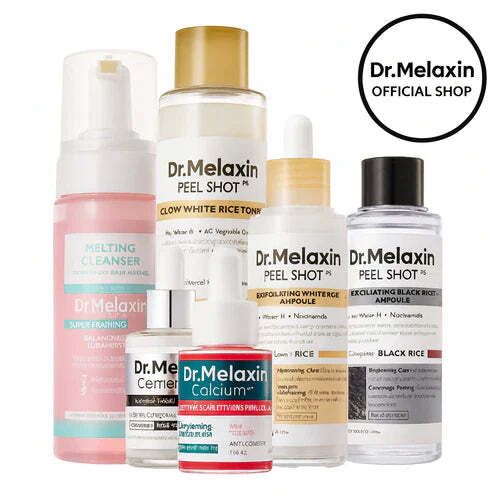
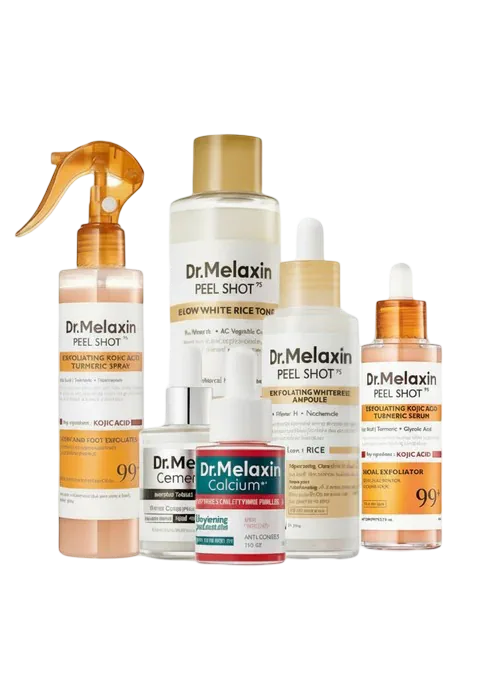
- Shop Dr. Melaxin Full Collection
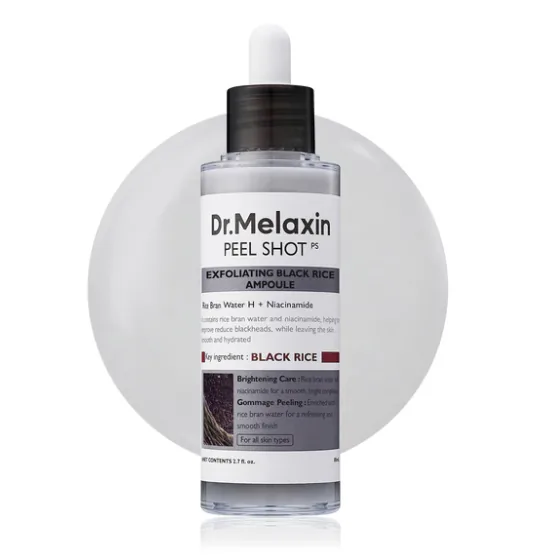
- Dr. Melaxin Peel Shot — Deep Dive
- Ingredient Breakdown: What's Inside the Peel Shot
- Dr. Melaxin Bestsellers
- Real Customer Reviews
- How To Use the Peel Shot Correctly
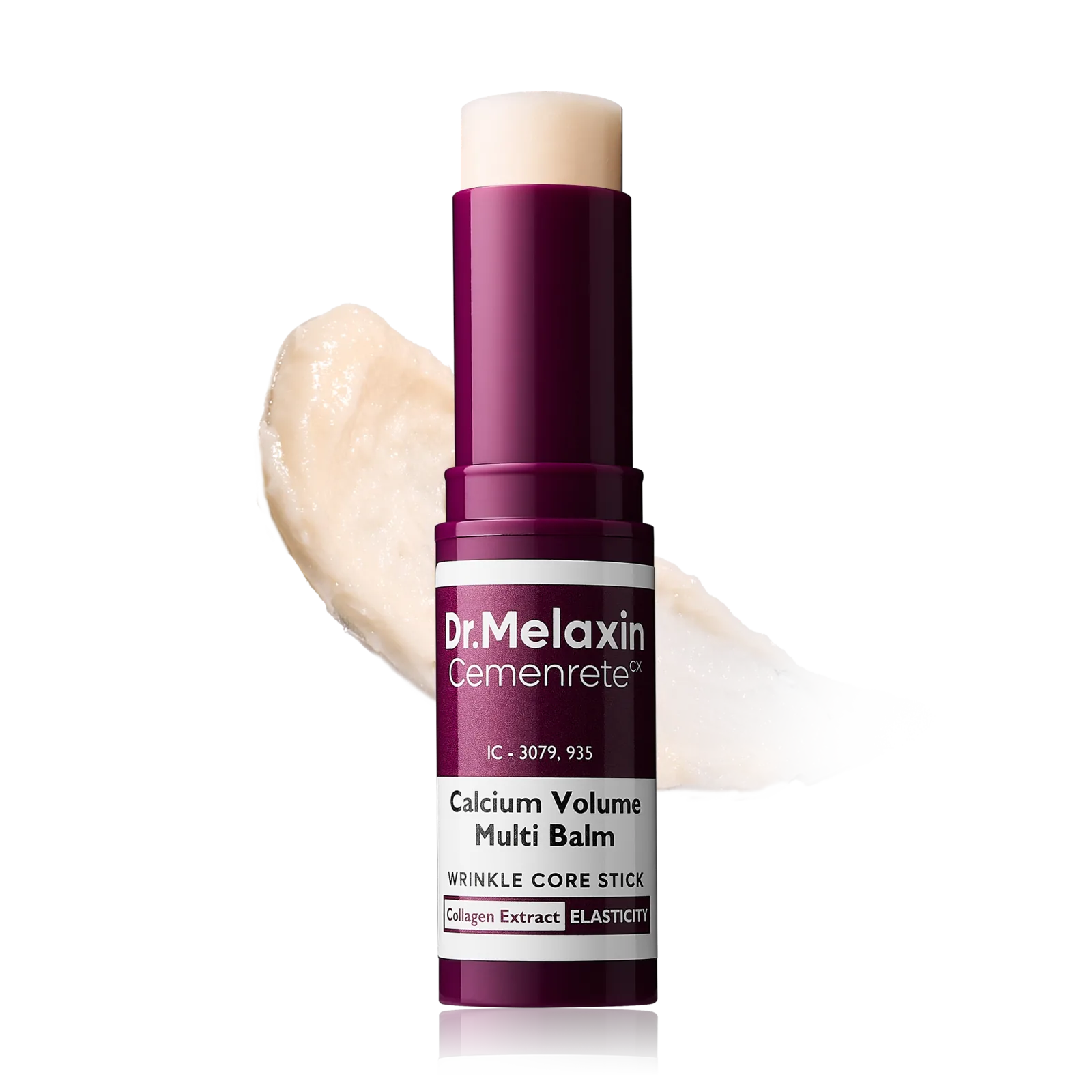
- Dr. Melaxin Cream Guide
- Niacinamide Serum Guide
What Is Snail Mucin and Why Is It in Your Serum?
Snail mucin — technically called "snail secretion filtrate" or SSF — is the glycoprotein-rich substance that snails produce to protect and repair their own skin. When a snail moves across a rough surface and sustains micro-damage, its mucin kicks in to heal that tissue rapidly. That same biological mechanism is what makes it so effective on human skin.
The composition of snail mucin reads like a skincare ingredient hall of fame: natural hyaluronic acid for deep hydration, glycolic acid for gentle chemical exfoliation, allantoin for soothing irritation, zinc and manganese for antimicrobial protection, and copper peptides for collagen synthesis. I've tested serums that try to combine all these ingredients synthetically, and they rarely match the synergistic effect of the natural filtrate.
Korean skincare brands pioneered the use of snail mucin in consumer products in the early 2010s, and the ingredient has only gained more scientific credibility since then. A 2013 study published in the Journal of Drugs in Dermatology found that snail mucin significantly improved skin hydration, roughness, and fine lines in participants who used it twice daily for 12 weeks. This isn't marketing fluff — it's peer-reviewed data. If you're building a serious skincare routine alongside vitamin C, snail mucin makes a powerful complementary layer.
What sets high-quality snail mucin serums apart is the concentration and processing method. The best formulations use 96-97% pure filtrate with minimal additives. Cheaper versions dilute it heavily or process it at high temperatures, which degrades the active glycoproteins. When I evaluate a snail mucin product, I look at the ingredient list position — snail secretion filtrate should be the first or second ingredient, not buried behind water and glycerin.
How Snail Mucin Serum Actually Works on Your Skin
I want to break down the mechanism of action because understanding the "why" helps you use this ingredient more effectively. Snail mucin works on multiple biological pathways simultaneously, which is part of its appeal.
Hydration Layer
The natural hyaluronic acid in snail mucin binds moisture at the cellular level. Unlike synthetic HA, which sits primarily on the skin surface, the smaller molecular weight hyaluronic acid found in mucin can penetrate deeper into the epidermis. After my first week of consistent use, I noticed my skin held moisture noticeably longer — even in the dry winter air of my testing period. This deep hydration is what gives snail mucin users that coveted "glass skin" look that's become a defining feature of advanced K-beauty treatments.
Repair and Recovery
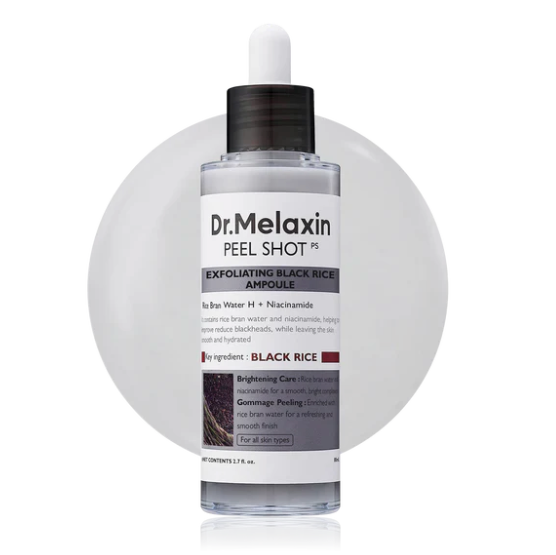
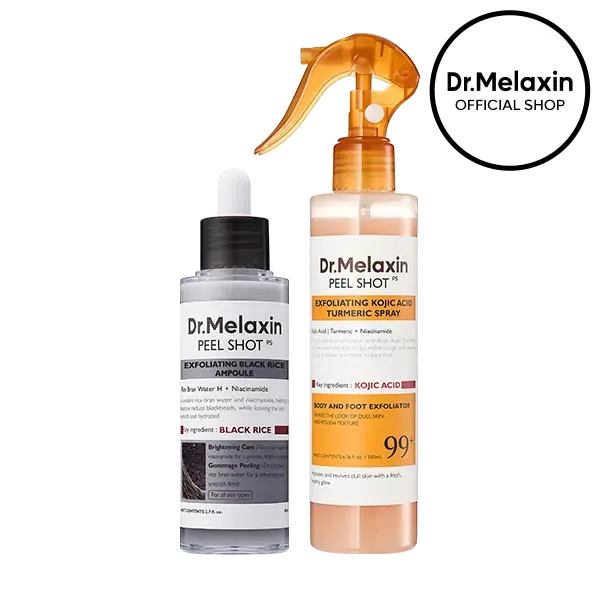
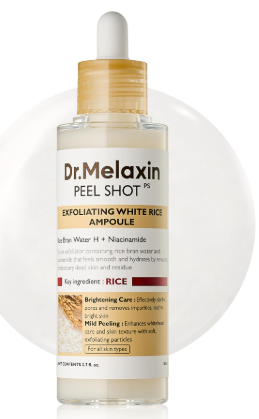
Allantoin and the peptide complex in snail mucin accelerate cellular turnover and wound healing. This is why dermatologists have started recommending snail mucin products for post-procedure recovery — after microneedling, laser treatments, or even after using potent at-home exfoliants like the Dr. Melaxin Peel Shot. I personally found that applying snail mucin after a bio-spicule treatment cut my recovery redness from 48 hours down to about 24. The allantoin calms inflammation while the peptides signal your skin to rebuild collagen faster.
Brightening and Anti-Pigmentation
The natural glycolic acid content provides a very mild exfoliating effect that, over weeks of use, helps fade post-inflammatory hyperpigmentation and dark spots. It's nowhere near as aggressive as a dedicated TX cream with tranexamic acid, but it provides a gentle baseline brightening effect that compounds over time. For stubborn hyperpigmentation concerns, I'd recommend layering snail mucin with a dedicated brightening active.
How To Use Snail Mucin Serum in Your Routine
Placement matters more than most people realize. Snail mucin is a lightweight, watery essence that should go on clean, slightly damp skin — ideally right after your toner step and before any thicker serums or creams.
Morning Routine
Cleanser → Toner → Snail Mucin Serum → Niacinamide serum (if using) → Moisturizer → SPF. The mucin provides a hydrating base layer that helps subsequent products absorb more evenly. I noticed my sunscreen applied smoother and didn't pill when I used snail mucin underneath.
Evening Routine
Double Cleanse → Toner → Actives (retinol, AHA/BHA, or spicule treatments) → Wait 15 minutes → Snail Mucin Serum → Night Cream. If you're using the Dr. Melaxin Peel Shot or any bio-spicule exfoliant, the snail mucin layer afterward is genuinely beneficial for calming irritation. I tested this protocol for six weeks and the difference in recovery comfort was significant.
Results Timeline
Week 1-2: Immediate hydration boost. Skin feels plumper and more supple within the first few applications. No dramatic visible changes yet — this is the absorption and barrier-building phase.
Week 3-4: Texture improvement becomes noticeable. Fine lines appear softer, and skin tone starts evening out. If you're using snail mucin alongside active ingredients from the Dr. Melaxin range, this is where the synergy really shows.
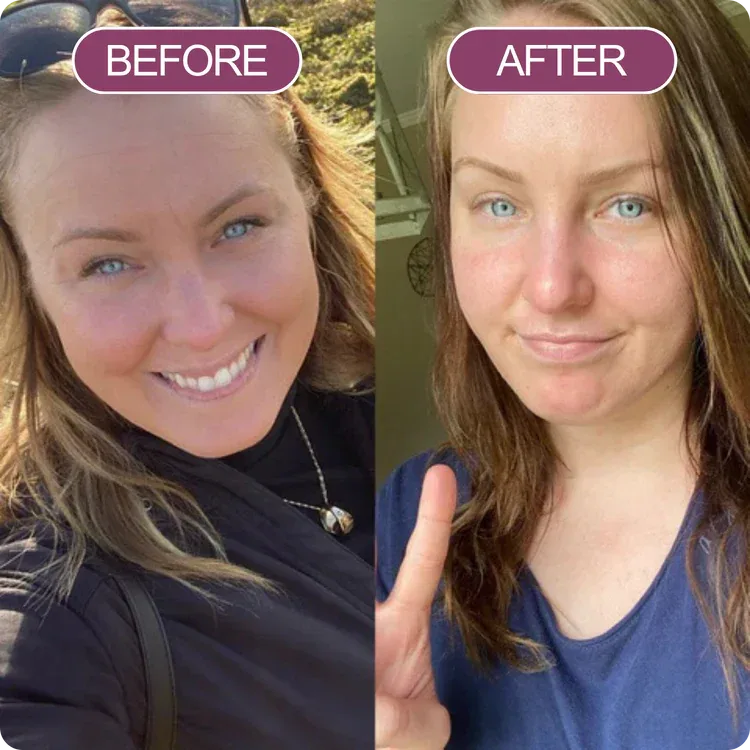
Week 6-8: Cumulative brightening effect. Post-acne marks and mild hyperpigmentation show visible fading. Skin has a sustained "glow" that doesn't wash off with your cleanser. My testing photos at the 8-week mark showed measurable improvement in overall radiance.
Who Should (and Shouldn't) Use Snail Mucin Serum
One of the biggest advantages of snail mucin is its near-universal compatibility. It works across skin types — oily, dry, combination, sensitive — because it's fundamentally a repair and hydration ingredient, not an aggressive active.
Ideal Candidates
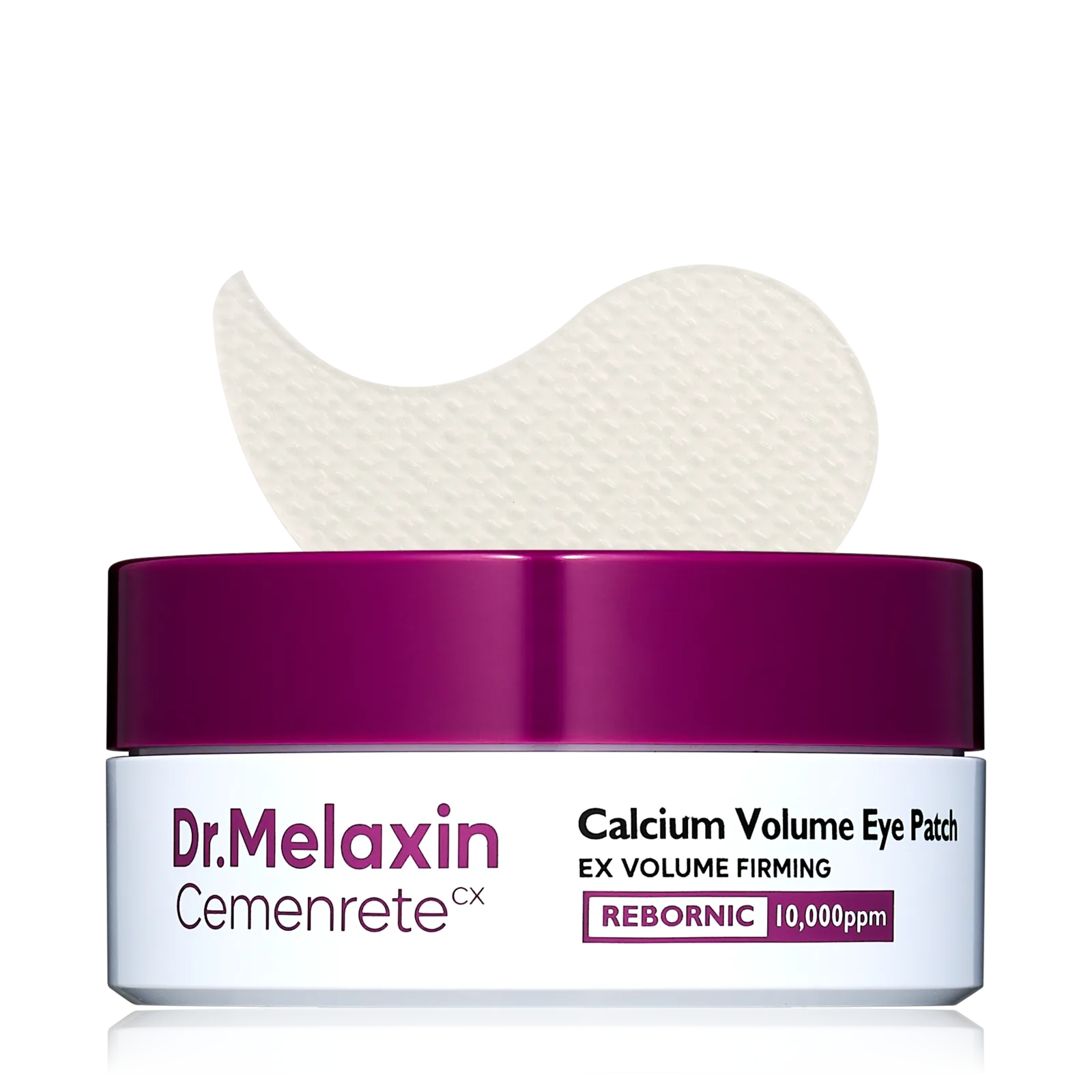
Dehydrated or dull skin, post-acne scarring, early signs of aging (fine lines, loss of elasticity), anyone recovering from chemical peels or professional-grade exfoliation treatments, sensitive skin that reacts to most active ingredients. If you've been looking at eye cream options for fine lines, snail mucin can complement your under-eye routine as well.
Who Should Be Cautious
People with confirmed shellfish allergies should patch test carefully — while snail mucin is technically from a mollusk, not a crustacean, cross-reactivity has been reported in rare cases. If you have active cystic acne, snail mucin won't hurt, but it also won't treat the root cause — you need targeted acne treatments first. And if you're using high-concentration retinoids, introduce snail mucin on alternate nights initially to monitor for any sensitivity.
Snail Mucin vs. Other Hydrating Serums
I get asked constantly how snail mucin compares to other hydration-focused ingredients. Here's my honest breakdown based on testing all of them:
| Feature | Snail Mucin | Hyaluronic Acid Serum | Peptide Serum |
|---|---|---|---|
| Hydration Depth | Deep + surface | Primarily surface | Moderate |
| Repair/Healing | Strong (allantoin + peptides) | None | Moderate |
| Brightening | Mild (glycolic acid) | None | None |
| Anti-Aging | Moderate (collagen support) | Mild (plumping effect) | Strong (signal peptides) |
| Sensitivity Risk | Very low | Very low | Low |
| Best For | All-round repair + hydration | Pure hydration | Anti-aging focus |
The takeaway: snail mucin is the most versatile option because it addresses multiple concerns simultaneously. If you only have room for one hydrating step, snail mucin gives you the most bang for your money. For targeted anti-aging, consider pairing it with the Cemenrete Cyano Pink Spicule Serum or TX Ampoule Rx which deliver concentrated peptides and retinol.
What To Look For When Buying a Snail Mucin Serum
Not all snail mucin products are equal. I've tested formulations ranging from 30% to 97% snail secretion filtrate concentration, and the quality gap is stark.
Check these three things: First, the concentration — anything below 80% is a glorified moisturizer with a marketing hook. Second, the source — ethically harvested mucin from free-roaming snails (not stressed or harmed) actually produces a richer glycoprotein profile. Third, the formulation partners — the best clinical-grade Korean brands combine snail mucin with supporting ingredients like centella asiatica, panthenol, or bio-spicule technology for enhanced delivery.
Avoid products that list "snail mucin" as a marketing ingredient but bury it low on the INCI list. Also beware of Amazon listings that claim to be authentic Korean products but are actually counterfeit — this is a rampant problem I've documented in my guide to spotting fake K-beauty products.
Where to Buy
For authentic Korean skincare including snail mucin-compatible products, I always recommend buying directly from verified brand stores. The Dr. Melaxin collection ships directly from verified suppliers, guaranteeing authentic product. Be cautious with Amazon and eBay listings — counterfeit Korean skincare products are widespread on those platforms, and fake snail mucin products often contain irritating synthetic substitutes. Check my full guide on how to verify product authenticity before buying from any third-party seller.
Conclusion
Snail mucin serum is one of the few ingredients that genuinely lives up to its hype. The science backs it, my personal testing confirms it, and its versatility makes it a near-universal recommendation regardless of skin type. Whether you're using it to recover from a Peel Shot treatment or just want deeper hydration, this ingredient delivers. Start with a high-concentration formula, be patient through the first 4-6 weeks, and let the results speak for themselves.
FAQs
Is snail mucin serum safe for sensitive skin?
Yes — snail mucin is one of the most gentle active ingredients available. Its allantoin content actually soothes irritation, making it suitable even for reactive or rosacea-prone skin. I recommend patch testing for 48 hours if you have known allergies, but adverse reactions are extremely rare. Pair it with calming products from the Dr. Melaxin range for extra sensitivity support.
Can I use snail mucin serum with retinol?
Absolutely, and it's actually a smart combination. Snail mucin's repair properties help offset the dryness and irritation that retinol can cause. Apply retinol first, wait 15 minutes, then layer snail mucin on top. The Dr. Melaxin Cream with retinol pairs especially well with a snail mucin base layer.
How long does it take to see results from snail mucin serum?
Hydration improvements are almost immediate — within 2-3 days. Texture and brightening improvements typically appear at the 4-6 week mark with consistent twice-daily use. Full anti-aging benefits (fine line reduction, improved elasticity) require 8-12 weeks of sustained use. Be patient — this is a marathon ingredient, not a sprint.
Does snail mucin serum clog pores?
No. Snail mucin is non-comedogenic. Its lightweight, gel-like consistency absorbs quickly without leaving a heavy film. I've used it through summer humidity without experiencing a single breakout. If anything, the mild glycolic acid content can help keep pores clear over time.