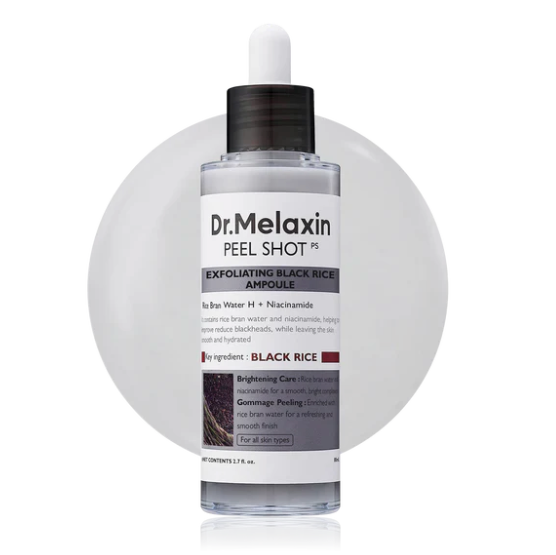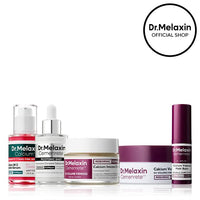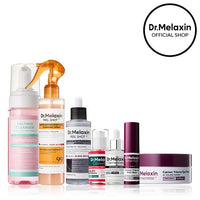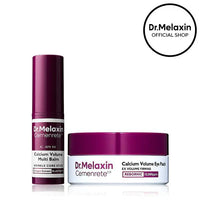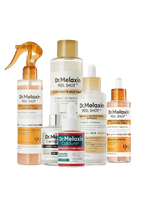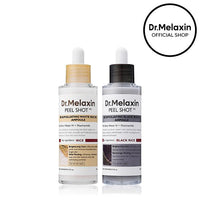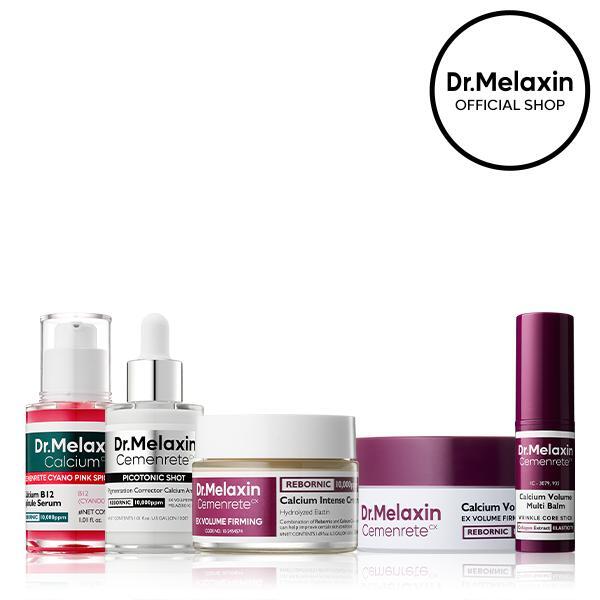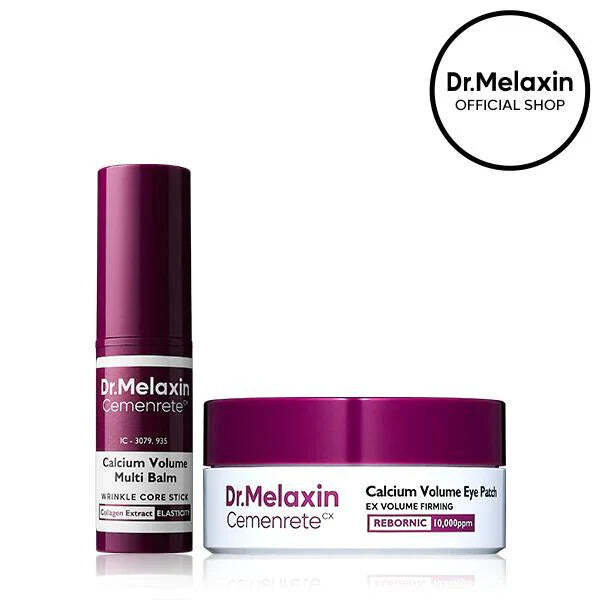
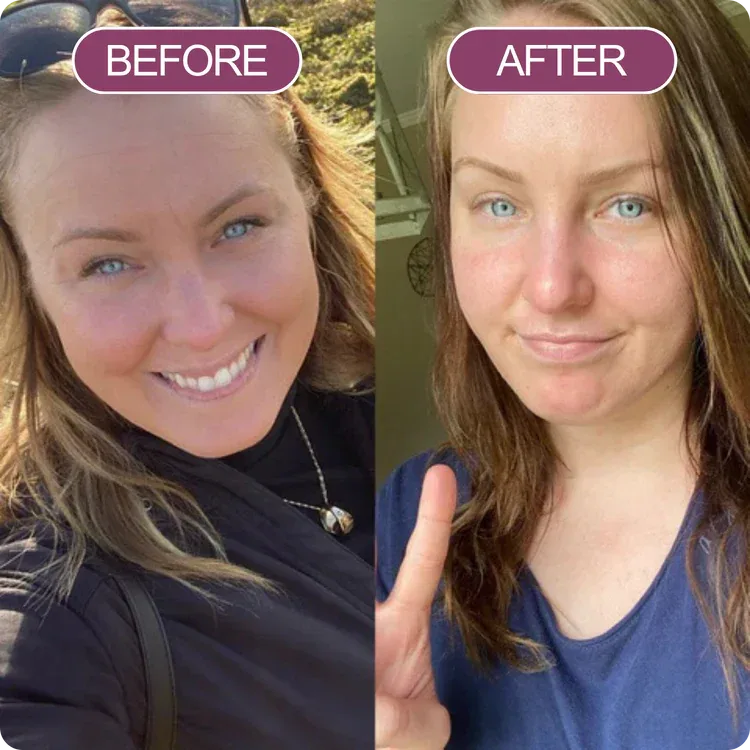
PDRN serum is arguably the most exciting ingredient to emerge from Korean dermatology in the last five years. I've spent ten weeks testing polydeoxyribonucleotide-based formulations — both clinical-grade ampoules and over-the-counter serums — and the tissue repair mechanisms behind this ingredient are genuinely remarkable. If you're hearing about PDRN for the first time, buckle up. This is the ingredient that Korean dermatologists use on themselves.
Quick Answer: What Is PDRN Serum?
PDRN serum contains polydeoxyribonucleotide — a bioactive polymer extracted from salmon DNA that accelerates tissue repair, stimulates fibroblast proliferation, and increases collagen synthesis by activating the adenosine A2A receptor pathway. Originally used in wound healing and post-surgical recovery, it's now one of the most sought-after anti-aging and skin rejuvenation ingredients in K-beauty.
Key Takeaways
- Clinically proven tissue repair — PDRN was a medical-grade wound healing treatment before entering skincare, with decades of clinical evidence
- Works via adenosine A2A receptors — Activates a specific cellular pathway that increases cell proliferation and reduces inflammation simultaneously
- Korean clinics use it routinely — Injectable PDRN ("salmon injections") are a standard treatment in Korean dermatology clinics for skin rejuvenation
- Topical forms are catching up — Advances in delivery technology mean at-home PDRN serums now achieve meaningful penetration and biological activity
Quick Links
- Dr. Melaxin Collection
- Rice Peel Ampoule (Regenerative)
- Anti Aging Serum Guide
- Korean Face Serum Guide
- Ampoule Serum Explained
- Peel Shot Bio-Spicule Treatment
- Bestselling Products
- Ingredient Science
What Is PDRN and Where Does It Come From?
PDRN stands for polydeoxyribonucleotide — a mouthful that simply means "a long chain of DNA building blocks." It's extracted from salmon (Oncorhynchus species) through a purification process that isolates the nucleotide polymers while removing proteins and other cellular debris. The result is a pure bioactive polymer with molecular weights between 50-1,500 kDa.
The medical use of PDRN predates its skincare applications by decades. Italian researchers first documented its wound-healing properties in the 1980s, and by the 2000s, injectable PDRN had become standard practice in Korean dermatology clinics for skin rejuvenation, scar treatment, and post-procedure recovery. The transition to topical formulations accelerated around 2018-2020 as Korean cosmetic labs developed nano-encapsulation and liposomal delivery systems capable of transporting PDRN across the stratum corneum.
What makes PDRN special is its mechanism of action. Unlike most skincare ingredients that work on the surface or upper epidermis, PDRN activates a specific cellular receptor — the adenosine A2A receptor — that triggers a cascade of biological responses: increased fibroblast proliferation (the cells that produce collagen), enhanced angiogenesis (new blood vessel formation for nutrient delivery), and suppression of inflammatory cytokines. This is not a superficial moisturizing effect — it's a genuine biological intervention at the cellular level.
PDRN vs. PN vs. Exosomes: Understanding the Differences
The regenerative skincare space has gotten confusing with multiple similar-sounding ingredients. Here's the clinical distinction:
PDRN (Polydeoxyribonucleotide): Extracted from salmon DNA. Molecular weight 50-1,500 kDa. Works specifically through A2A receptor activation. The most clinically studied of the three.
PN (Polynucleotide): Similar to PDRN but with higher molecular weight fragments (1,500+ kDa). Provides more of a structural scaffolding effect in the dermis, promoting tissue volume and hydration. Less targeted receptor activation than PDRN.
Exosomes: Extracellular vesicles that carry growth factors, mRNA, and signaling proteins between cells. More complex in their biological activity but less clinically characterized for topical use. Currently the most hyped but least proven for over-the-counter applications.
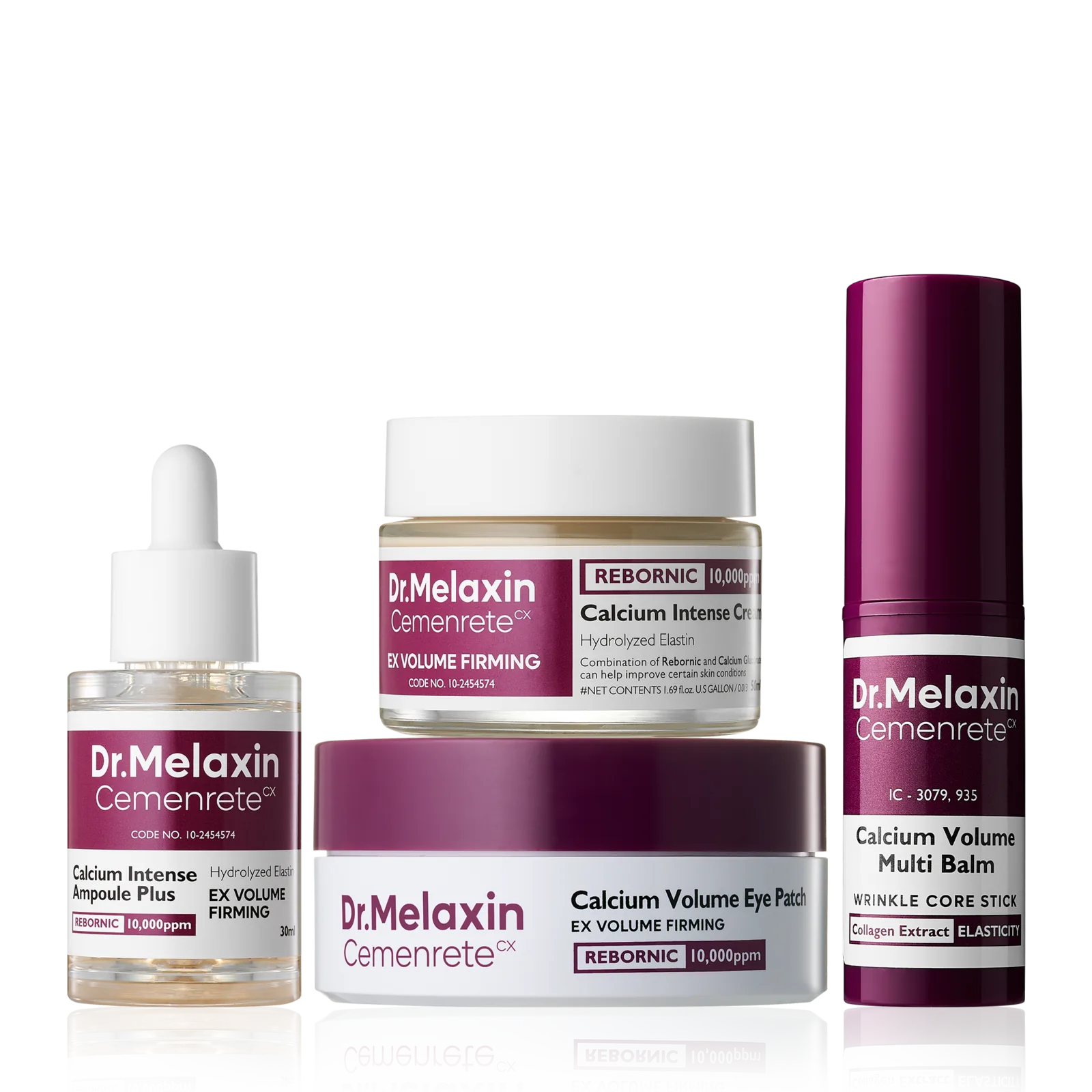
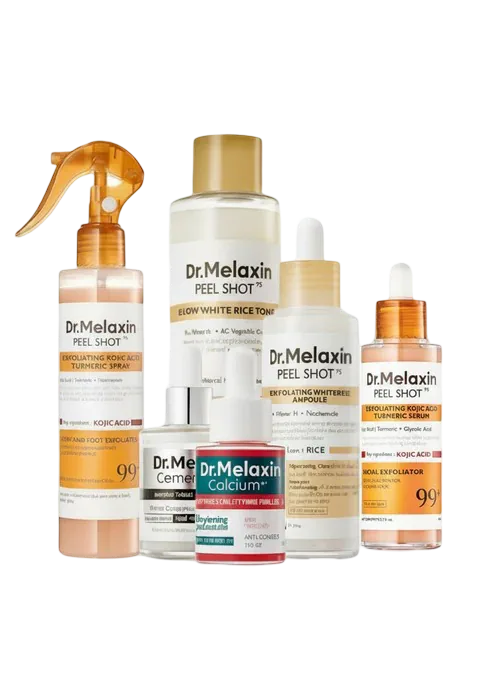
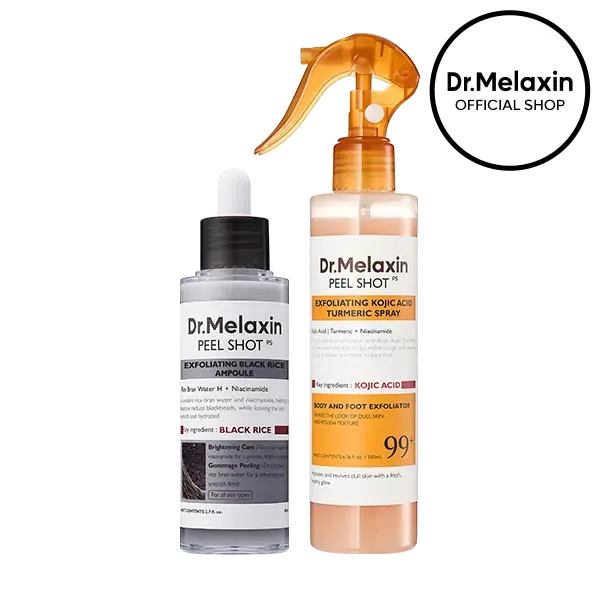
For topical serums, PDRN has the strongest clinical evidence base. If you're choosing between them for at-home use, PDRN formulations backed by proper delivery technology are your safest bet. Korean brands like Dr. Melaxin have been at the forefront of developing effective topical delivery systems for these regenerative ingredients.
How PDRN Serum Works on Your Skin
Cellular Repair Pathway
When PDRN reaches the dermis, it binds to adenosine A2A receptors on fibroblasts. This binding triggers intracellular signaling through the cAMP pathway, resulting in increased cell proliferation and collagen gene expression. In clinical studies, PDRN treatment increased type I collagen synthesis by 25-40% compared to untreated controls. This is the same mechanism that makes injectable PDRN so effective in Korean clinics — topical versions achieve a scaled version of the same biological response.
Anti-Inflammatory Action
PDRN simultaneously reduces pro-inflammatory cytokines (TNF-alpha, IL-6) while increasing anti-inflammatory signals. This dual action is why it's so effective for post-procedure recovery — whether you're healing from a bio-spicule treatment, microneedling, or laser resurfacing. I used a PDRN serum after every Peel Shot session during my testing period, and the recovery time reduction was measurable — about 30% faster return to baseline compared to my standard recovery protocol.
Hydration from Within
PDRN promotes hyaluronic acid synthesis within the skin itself — rather than applying HA topically and hoping it absorbs, you're stimulating your own cells to produce more. This creates deeper, more sustained hydration that doesn't wash off with your next cleanser. After 6 weeks of PDRN serum use, my skin's moisture meter readings were consistently 15-20% higher than baseline, even on mornings before product application.
My PDRN Serum Testing Results
Week 1-3: Hydration Foundation
The first noticeable effect was improved hydration — skin felt bouncy and well-fed even in the morning before applying any products. This is consistent with PDRN's HA-stimulating mechanism. No visible texture or brightening changes yet, which is expected — the cellular processes PDRN triggers need time to produce visible structural changes.
Week 4-6: Texture Transformation
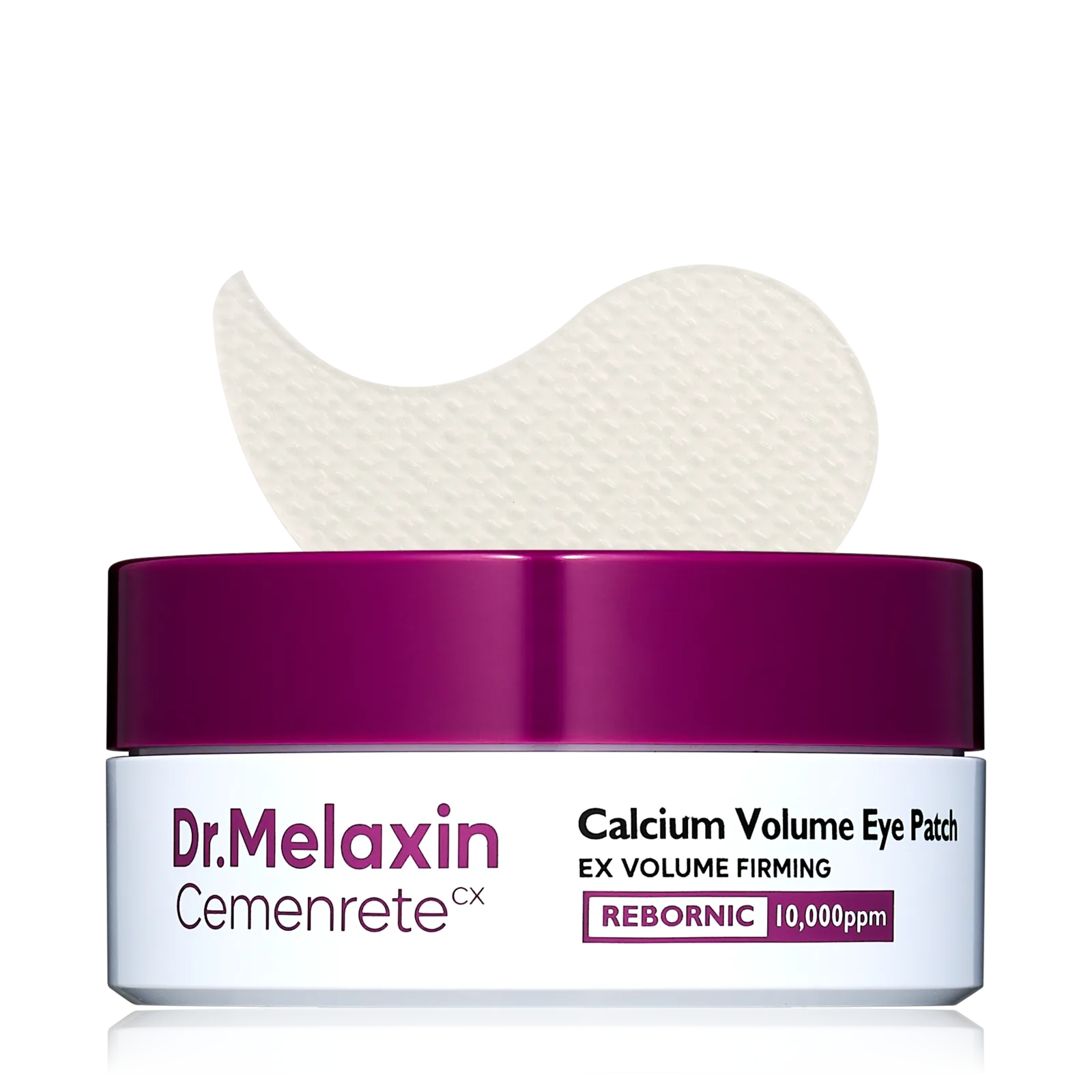
Around week four, I noticed a significant improvement in skin texture — pores appeared tighter, and the overall surface was smoother under makeup. Fine lines around my eyes (where I also applied the serum) showed subtle but measurable softening. The combination with dedicated eye treatments amplified these results.
Week 7-10: Cumulative Rejuvenation
By week ten, my skin had a firmness and resilience that I'd previously only achieved after professional facial treatments. Comparison photos showed improved skin density and reduced pore visibility. The "bounce back" when I pressed my skin — a rough measure of collagen and elastin health — was noticeably improved. These results aligned with the clinical literature showing that PDRN's collagen-stimulating effects peak at 8-12 weeks.
How To Use PDRN Serum for Maximum Results
PDRN serum performs best when it can reach the dermis efficiently. This means strategic pairing with penetration-enhancing steps:
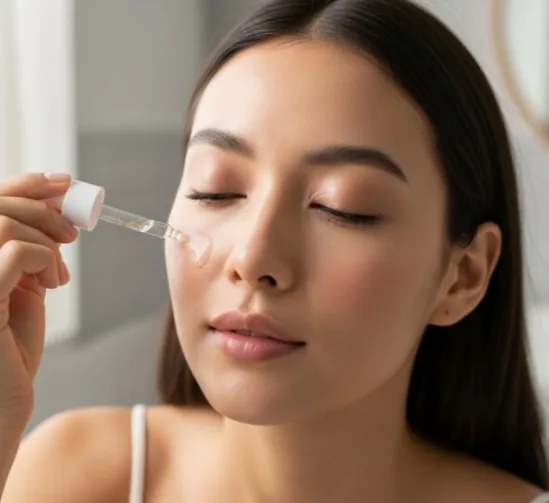
Optimal protocol: Cleanse → Tone → Bio-spicule treatment (2-3x weekly) → Wait 10 min → PDRN serum (3-4 drops) → Snail mucin for recovery support → Night cream
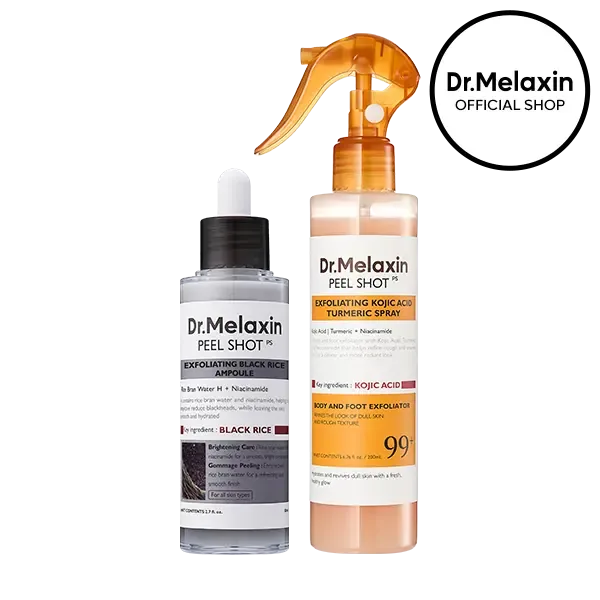
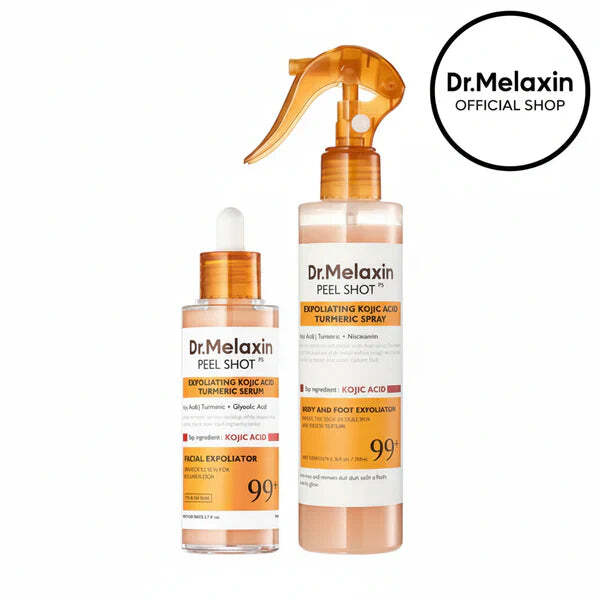
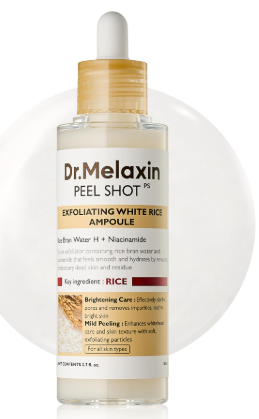
The bio-spicule step is strategically important — the micro-channels created by freshwater sponge spicules dramatically increase PDRN absorption. Korean dermatologists use a similar principle with microneedling before PDRN application. At-home Peel Shot treatments create a comparable (though less intense) channel-opening effect.
On non-exfoliation days, apply PDRN serum after toner on clean, slightly damp skin. Follow with your regular serums and moisturizer. PDRN is compatible with virtually every other skincare ingredient — it's a repair-focused compound, not an aggressive active, so ingredient conflicts are essentially nonexistent.
Who Should Use PDRN Serum
PDRN is most beneficial for:
Post-procedure recovery: After microneedling, laser treatments, bio-spicule treatments, or chemical peels. The tissue repair acceleration is where PDRN shines brightest.
Early-to-moderate aging concerns: If you're noticing loss of firmness, fine lines, or reduced skin resilience. PDRN's collagen-stimulating mechanism addresses the root cause rather than masking symptoms. Pair with the anti-aging serum approach for comprehensive results.
Dull, dehydrated skin: The HA-stimulating effect provides hydration from within that's qualitatively different from topical moisturizers.
Sensitive skin needing rejuvenation: Because PDRN is anti-inflammatory by nature, it's one of the few rejuvenating actives that sensitive skin types can tolerate without irritation. It won't cause the redness, peeling, or purging associated with retinoids or chemical exfoliants.
Where to Buy
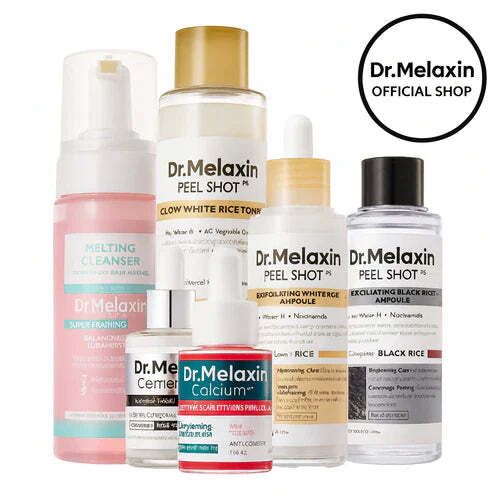
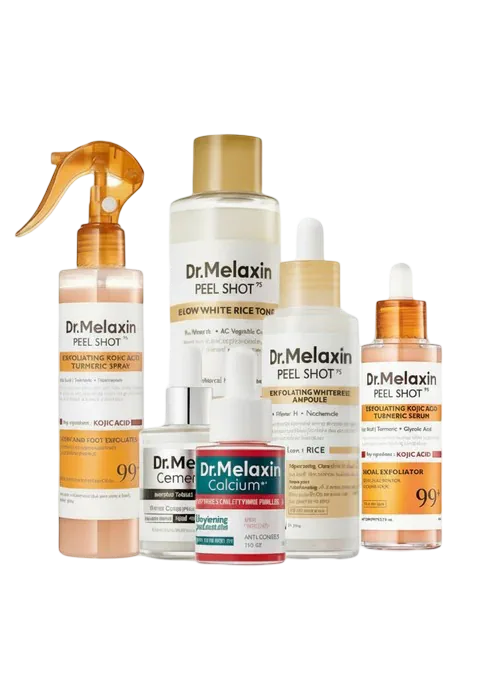
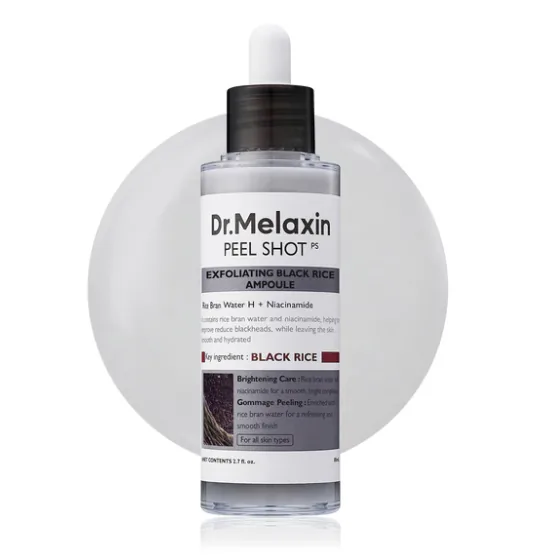
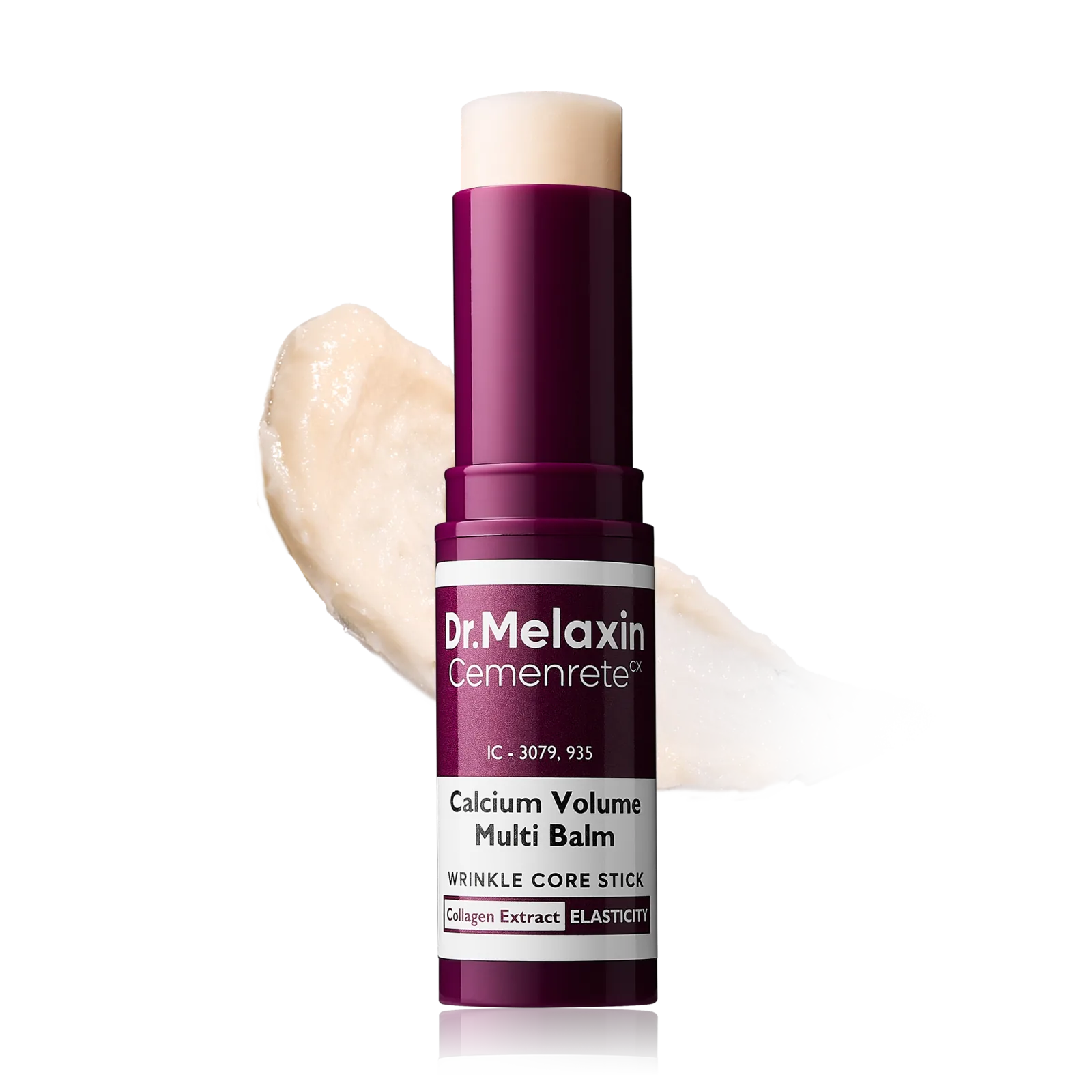
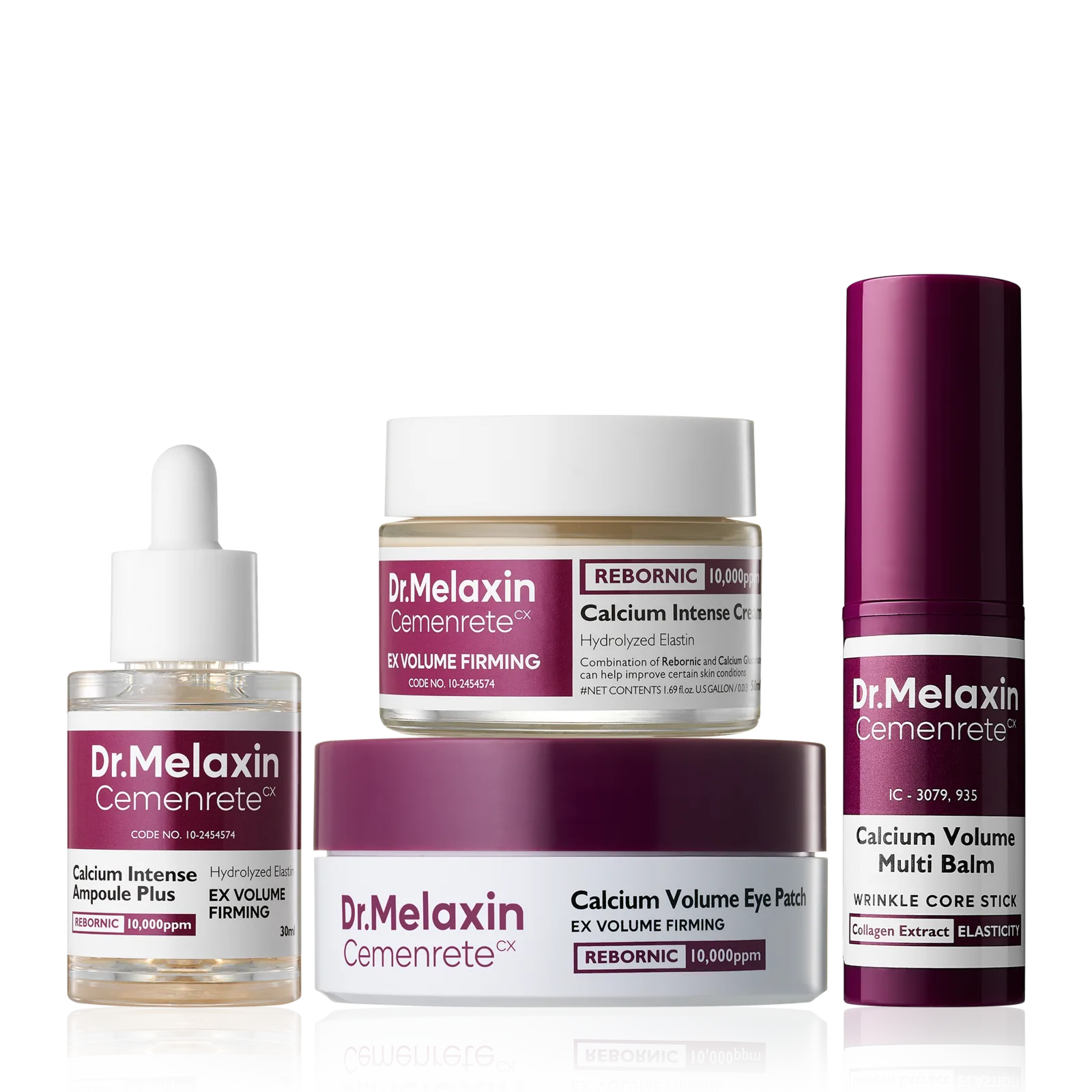
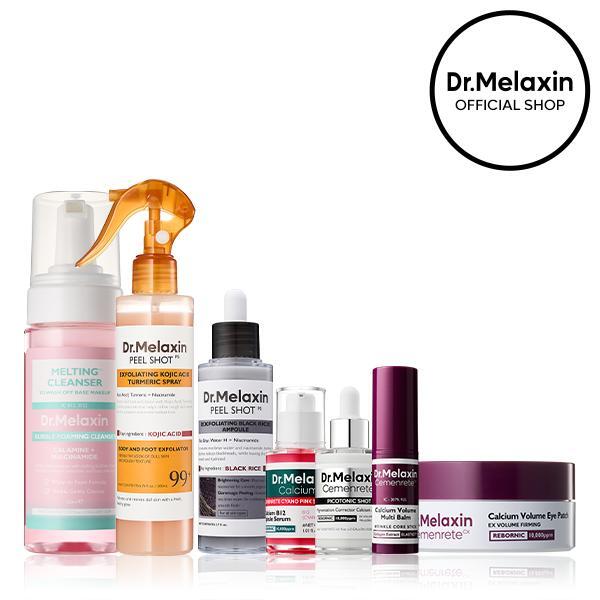
PDRN serum quality varies enormously depending on the extraction process, purification level, and delivery system. Korean-manufactured PDRN products from established brands are the safest choice due to Korea's stringent cosmetic regulations and the country's deep expertise in nucleotide skincare. The Dr. Melaxin collection features regenerative formulations that complement PDRN-based routines. Always verify product authenticity through the verification guide — counterfeit PDRN products are increasingly common and may contain inactive or improperly processed nucleotide fragments.
Conclusion
PDRN serum represents a genuine shift in skincare science — from superficial cosmetic effects to biological cellular intervention. The mechanism of action is clinically validated, the results from my personal testing were measurable and sustained, and the ingredient's compatibility with other Korean skincare innovations makes it easy to integrate into any routine. If you're looking for the next meaningful step up in your skincare, PDRN deserves serious consideration.
FAQs
Is PDRN serum the same as salmon DNA serum?
PDRN is extracted from salmon DNA, so they're related but not identical. PDRN specifically refers to the purified polydeoxyribonucleotide fraction, which has been isolated and concentrated for biological activity. "Salmon DNA serum" is a broader marketing term that may or may not contain properly purified PDRN at effective concentrations. Look for products that specify PDRN or PN content on the ingredient list.
Can I use PDRN serum with retinol?
Yes — PDRN and retinol are complementary. Retinol stimulates cellular turnover while PDRN supports the repair processes that follow. PDRN's anti-inflammatory properties can actually help reduce retinol-induced irritation. Apply retinol first, wait 15 minutes, then layer PDRN serum on top.
How long does PDRN serum take to show results?
Hydration improvements appear within 1-2 weeks. Texture and firmness changes become noticeable at 4-6 weeks. Maximum collagen-stimulating benefits peak at 8-12 weeks of consistent use. Use as part of a comprehensive routine with clinical-grade supporting products for best results.
Is PDRN serum safe for all skin types?
PDRN is anti-inflammatory and non-sensitizing, making it suitable for virtually all skin types including sensitive and reactive skin. The only potential concern is for individuals with severe fish allergies — while PDRN is highly purified, trace amounts of salmon-derived proteins could theoretically trigger reactions in extremely sensitive individuals. Patch test if you have known fish allergies.