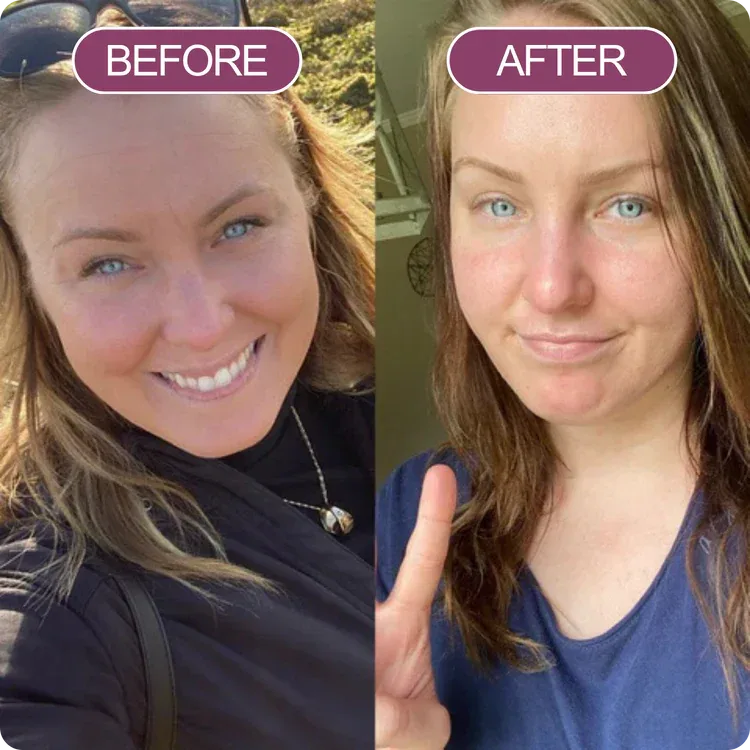
The Medicube Collagen Mask has been gaining serious traction on social media, with claims of firming, plumping, and delivering "salon-level" collagen infusion at home. I tested it for six weeks alongside my regular routine to see if the results match the hype. Here's my honest assessment of what this mask does well, where it falls short, and what alternatives deliver stronger results for collagen-concerned skin.
Quick Answer: Is the Medicube Collagen Mask Worth It?
The Medicube Collagen Mask is a well-formulated sheet mask that delivers immediate plumping and hydration through collagen peptides and hyaluronic acid. For temporary pre-event hydration, it performs well. However, topical collagen molecules are too large to penetrate skin permanently — for genuine collagen rebuilding, ingredients that stimulate your own collagen production (retinoids, peptides, bio-spicules) deliver superior long-term results.
Key Takeaways
- Good for instant hydration — The occlusive delivery mechanism provides measurable short-term plumping and moisture boost
- Limited long-term collagen benefit — Topical collagen sits on the surface; it doesn't integrate into your dermal collagen matrix
- Pleasant user experience — Good mask fit, rich serum saturation, and the collagen-infused material feels premium
- Better alternatives exist for collagen building — Ingredients that stimulate endogenous collagen production outperform topical collagen for anti-aging
Quick Links
- Medicube Full Brand Review
- Anti Aging Serum Guide
- Korean Sheet Mask Guide
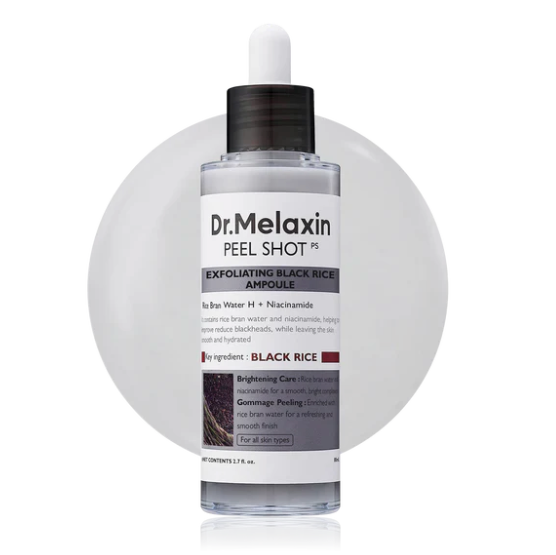
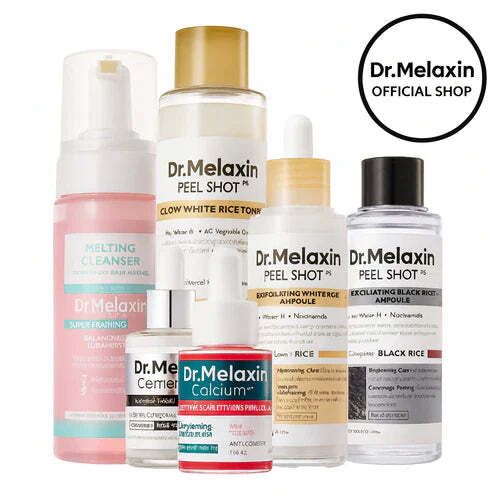
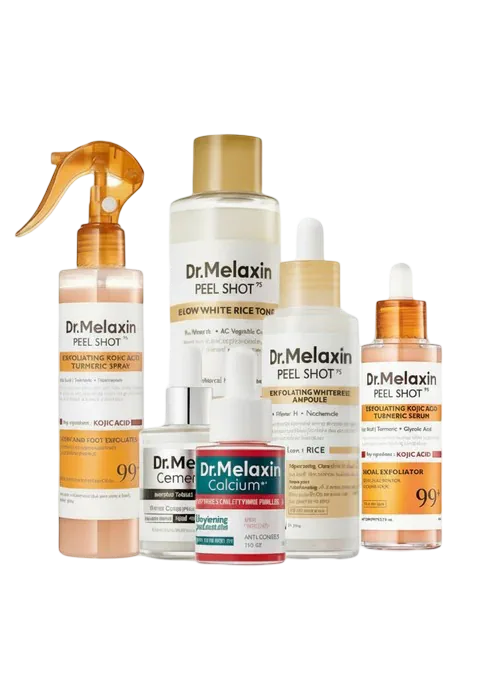
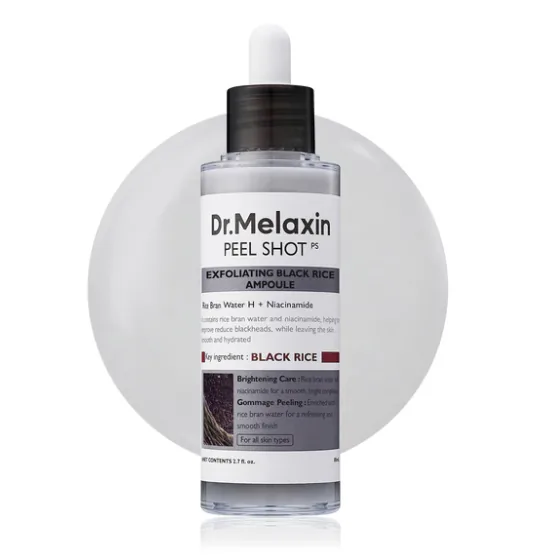
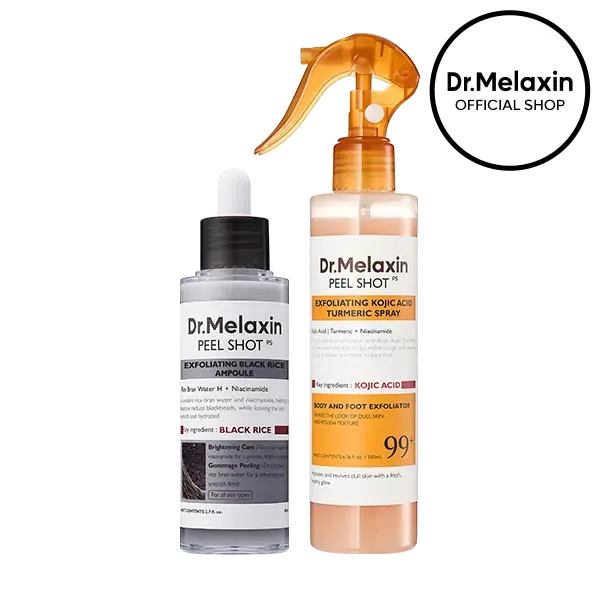
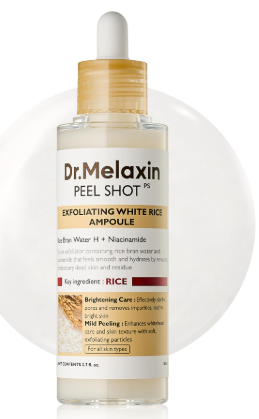
- Peel Shot — Collagen-Stimulating Bio-Spicules
- Cyano Pink Spicule Serum
- Korean Skincare Guide
- PDRN Serum — Collagen Stimulation
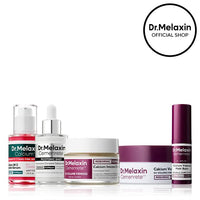
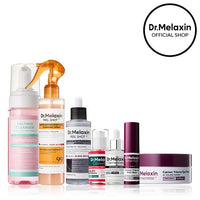
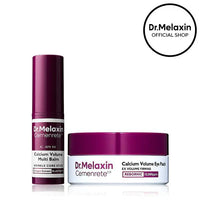
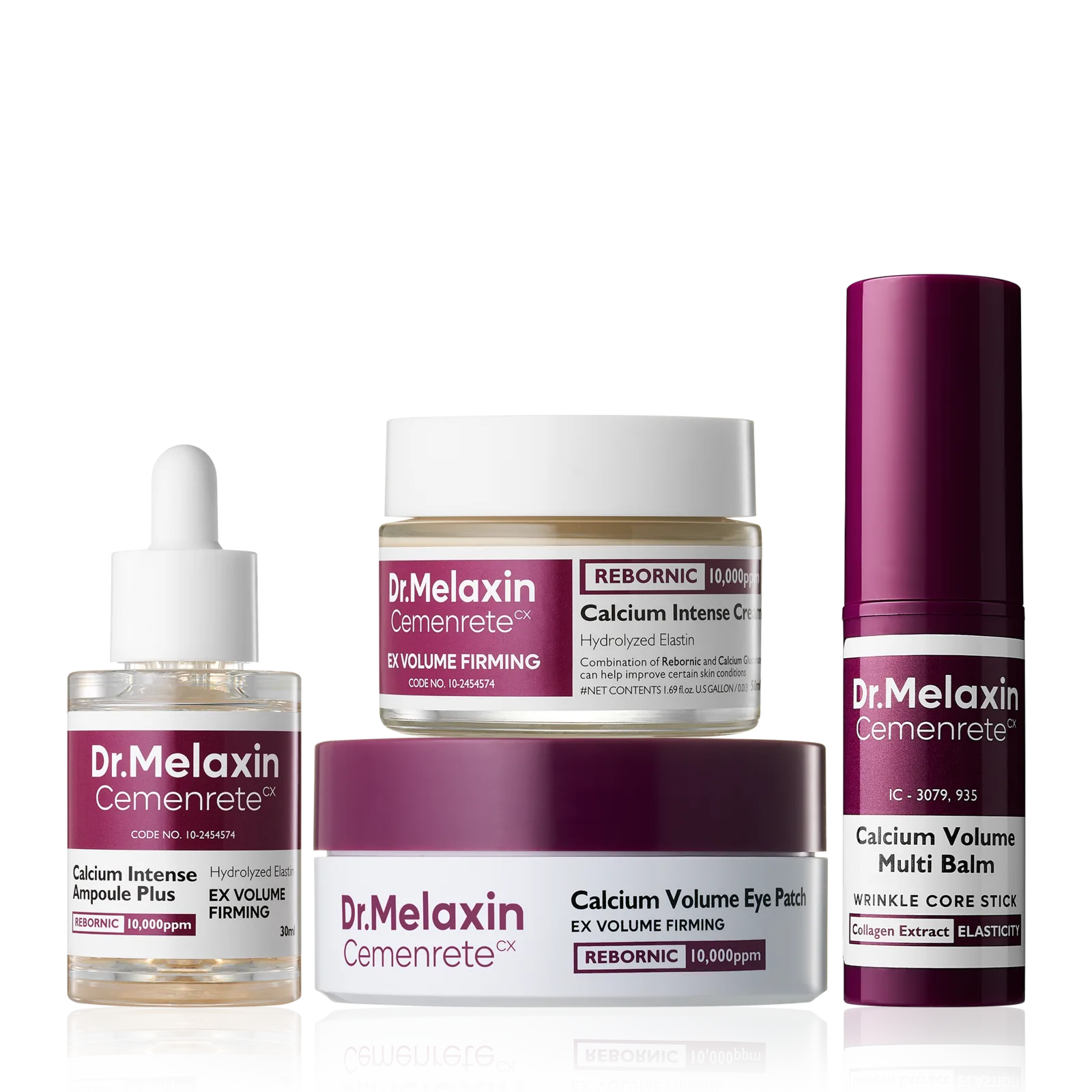
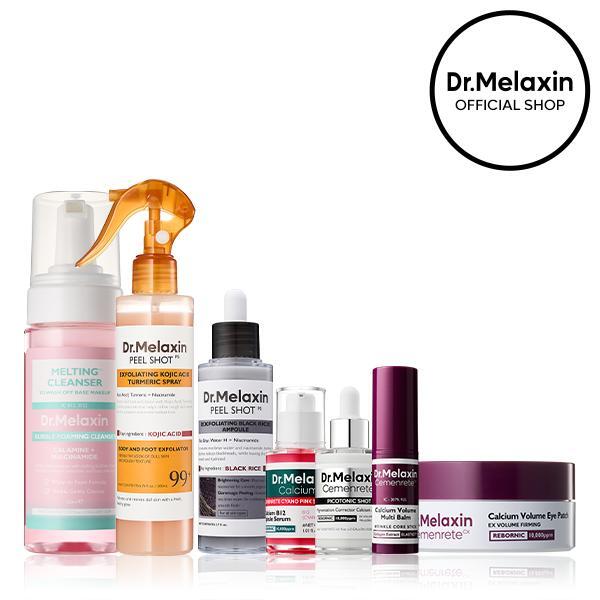
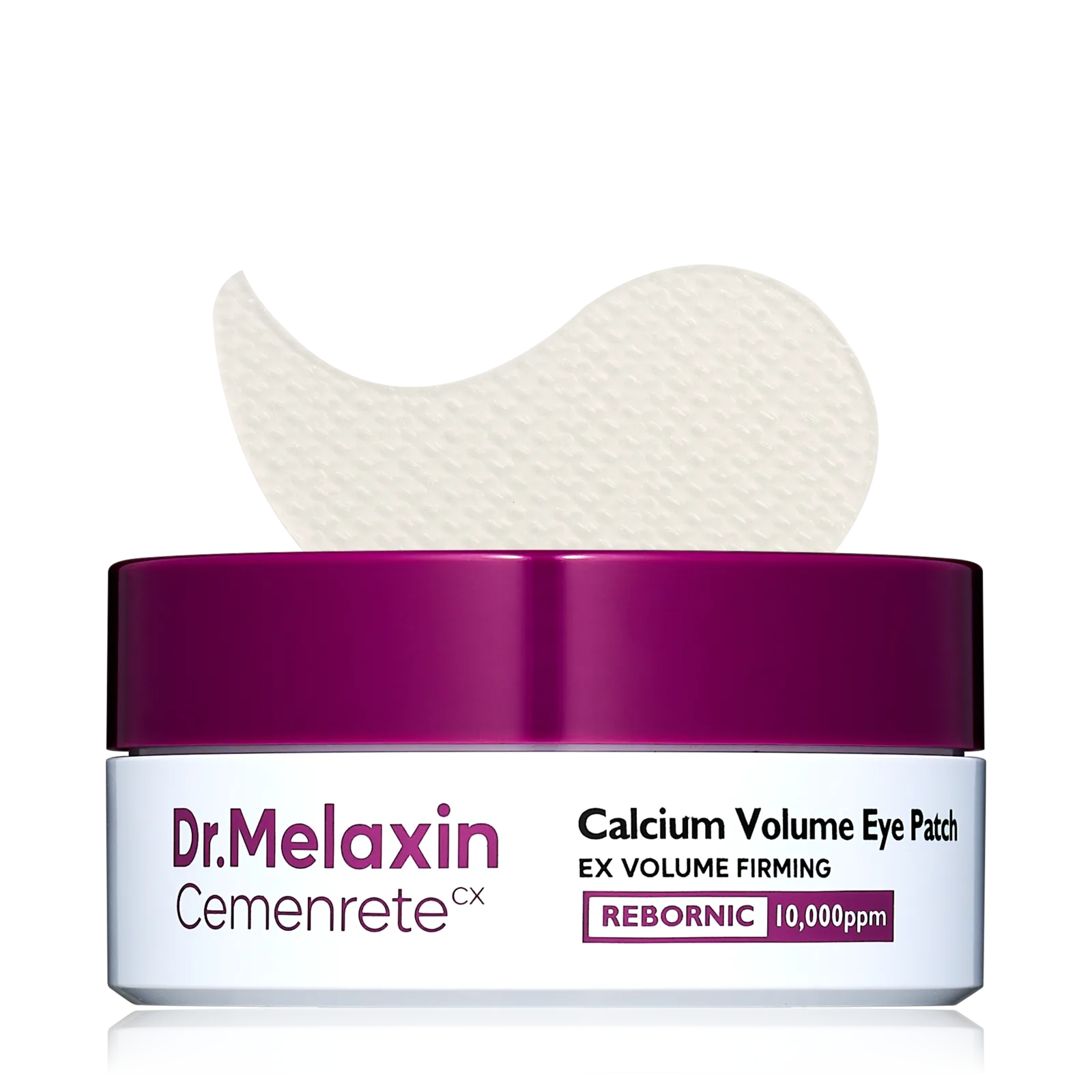
- Dr. Melaxin Collection
What's Inside the Medicube Collagen Mask
The Medicube Collagen Mask features hydrolyzed collagen, low molecular weight collagen peptides, hyaluronic acid, and niacinamide in a bio-cellulose sheet infused with collagen. The formulation is designed to deliver a concentrated hydration and plumping effect during the 15-20 minute application period.
The hydrolyzed collagen and collagen peptides provide the headline ingredient. These are broken-down collagen molecules that are smaller than intact collagen — making them theoretically more absorbable. However, it's important to understand the biological reality: even hydrolyzed collagen fragments are significantly larger than the molecular weight threshold for transdermal absorption (500 daltons). Most topical collagen stays on the epidermis, providing moisturizing and temporary plumping effects rather than integrating into the dermal collagen matrix.
The supporting ingredients — hyaluronic acid and niacinamide — are where much of the real skincare benefit comes from. HA provides deep hydration, while niacinamide strengthens the moisture barrier and provides mild brightening. These ingredients work through the occlusive sheet mask delivery mechanism that enhances absorption.
My 6-Week Testing Results
Immediate Effects (Single Use)
After one application, skin felt immediately plumper and more hydrated. There was a visible "bounce" to the skin that lasted approximately 24-36 hours. For a pre-event quick fix, this delivers. The mask material itself was above average — good adherence, comfortable fit, and generous serum saturation.
Week 1-3 (Twice Weekly Use)
With consistent twice-weekly masking, my overall skin hydration levels improved measurably. The temporary plumping effect became more consistent as my baseline hydration increased. Fine lines appeared softer — primarily a hydration effect rather than collagen rebuilding, but the visual result was positive.
Week 4-6 (Assessment)
By week six, the improvements had plateaued. The hydration benefits were real and maintained, but I wasn't seeing the progressive firmness improvement that genuine collagen stimulation would produce. When I compared my results to six weeks of using bio-spicule treatments (which trigger actual collagen synthesis through wound-healing response), the Medicube mask was delivering surface-level effects while the bio-spicules were producing deeper structural improvement.
The Collagen Myth: Topical vs. Stimulated
This is the most important distinction in anti-aging skincare: there's a fundamental difference between applying collagen to your skin and stimulating your skin to produce its own collagen.
Topical collagen (Medicube approach): Provides surface moisturizing and temporary plumping. The collagen molecules form a hydrating film on the epidermis. Effective for immediate cosmetic improvement but limited in long-term structural benefit.
Collagen stimulation (clinical approach): Ingredients and treatments that activate fibroblasts to produce new collagen within the dermis — retinoids, peptides, bio-spicule technology, PDRN/salmon DNA. These produce progressive, cumulative firmness improvement that compounds over 8-16 weeks because the new collagen is structurally integrated into your skin.
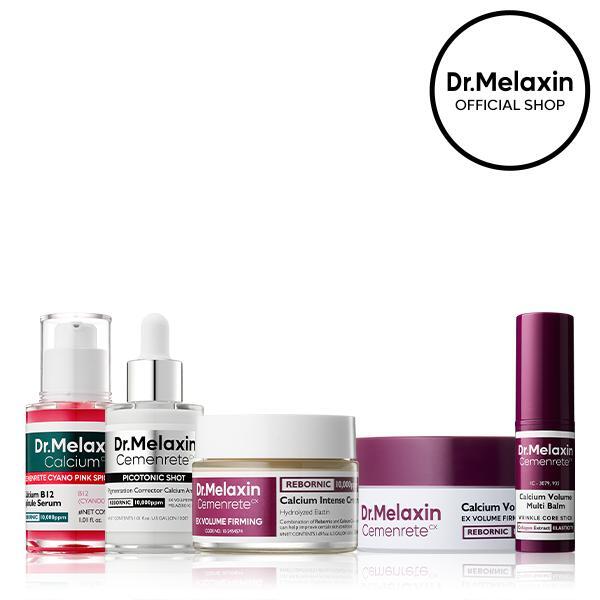
For genuine anti-aging results, collagen-stimulating ingredients outperform topical collagen by a significant margin. The Cyano Pink Spicule Serum combines bio-spicule-triggered wound healing with signal peptides for dual-pathway collagen stimulation — a fundamentally more effective approach than applying collagen fragments to the surface.
What Else to Consider
If you enjoy the ritual and immediate effects of collagen masking, the Medicube mask is a solid option. But for your treatment budget to deliver maximum anti-aging value, consider these alternatives:
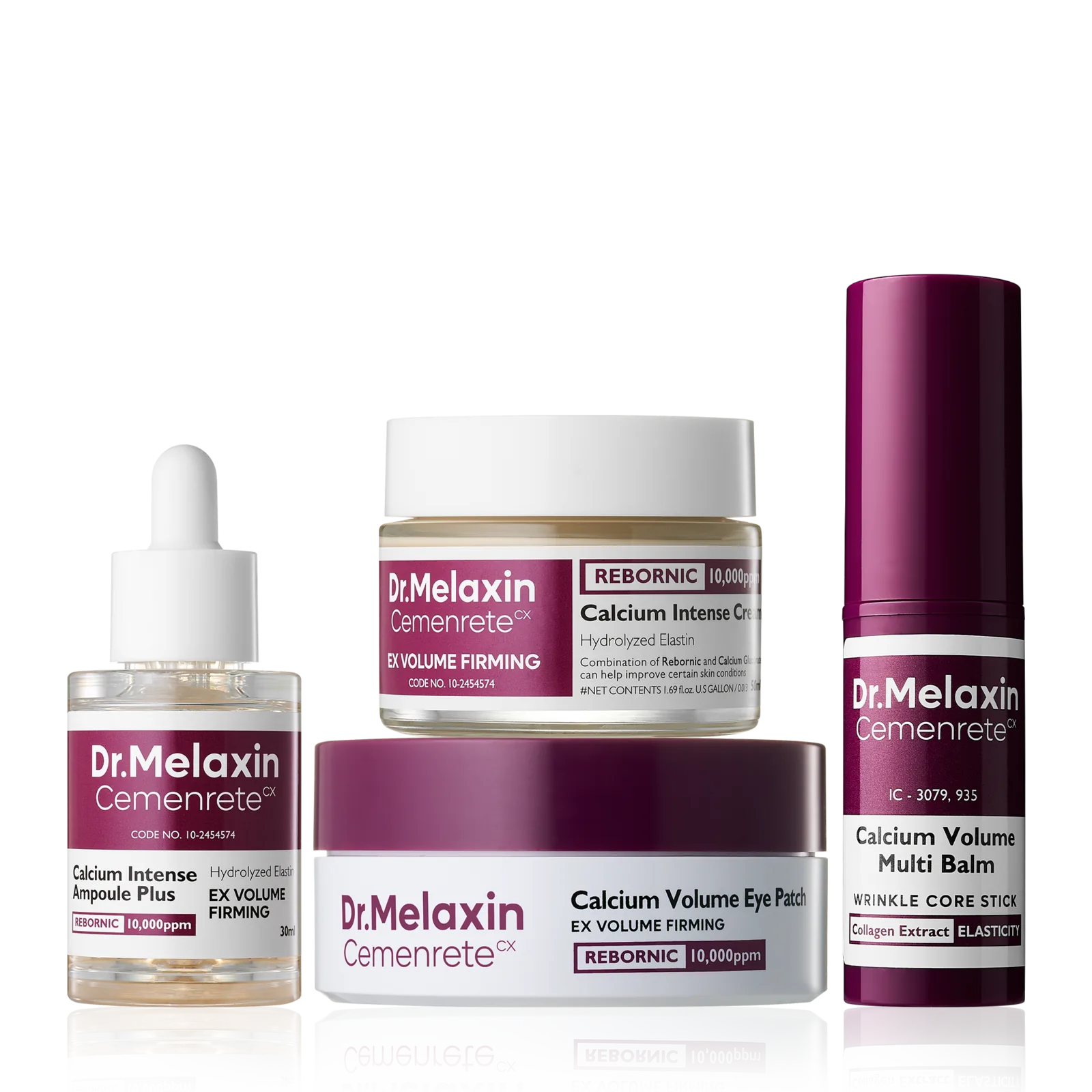
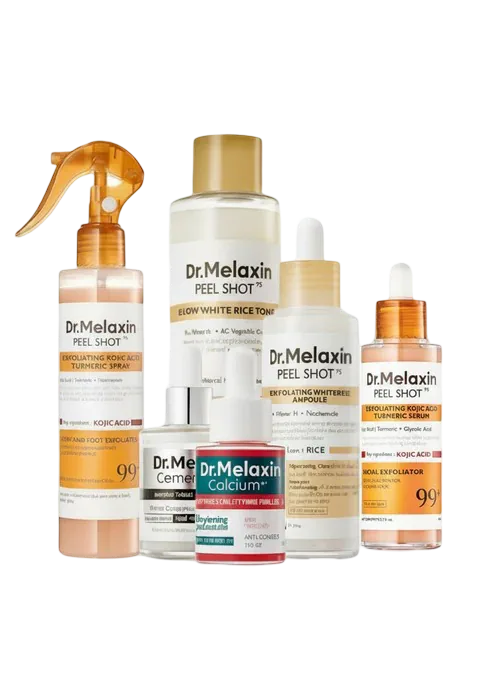
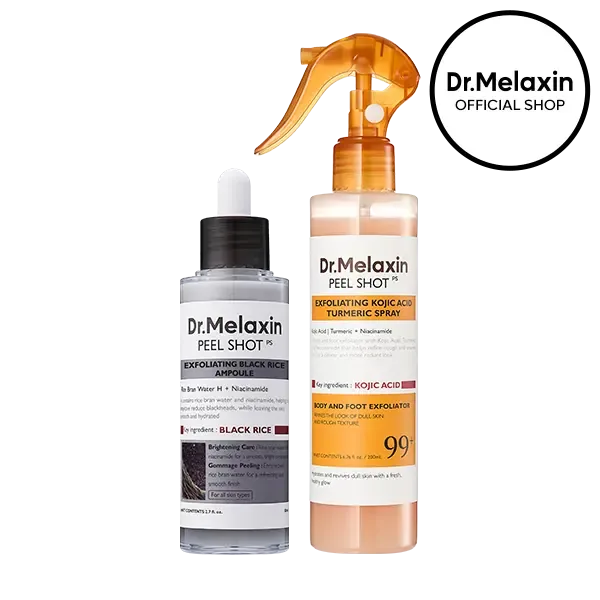
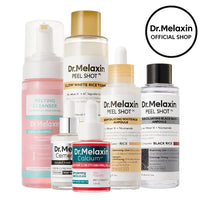
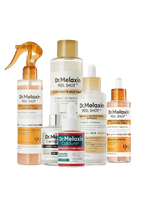
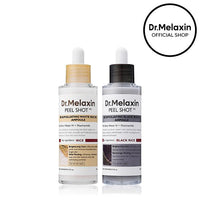
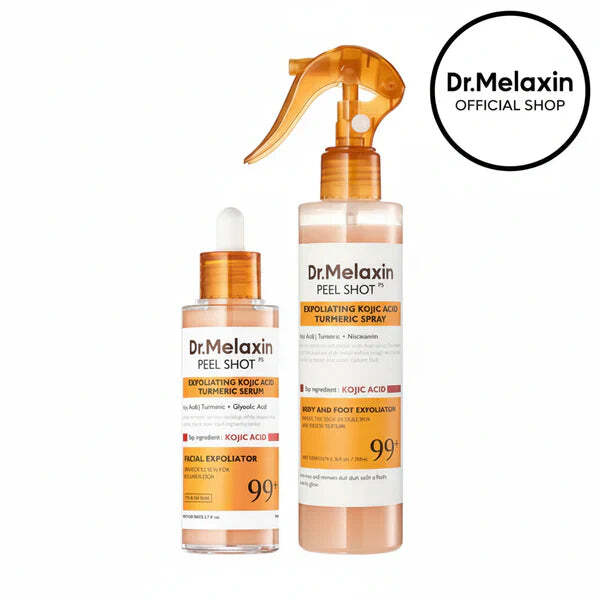
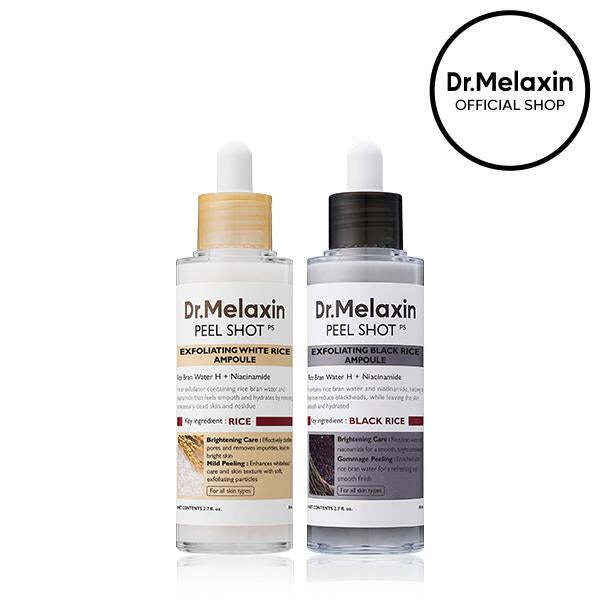
For collagen stimulation: The Dr. Melaxin Peel Shot triggers genuine collagen synthesis through bio-spicule-induced wound healing. Used 2-3x weekly, it produces measurable firmness improvement within 6-8 weeks — results that topical collagen masks cannot match.
For deep hydration masking: Korean sheet masks with snail mucin or hyaluronic acid at high concentrations provide the same immediate plumping effect as collagen masks, often at lower price points.
For anti-aging ampoule treatment: The TX Ampoule Rx delivers tranexamic acid and retinal derivatives at clinical concentrations — targeted anti-aging actives that produce progressive, compounding improvement over 8-12 weeks.
Where to Buy
The Medicube Collagen Mask is available through Medicube's official website and authorized K-beauty retailers. For clinical-grade collagen-stimulating alternatives, the Dr. Melaxin collection offers bio-spicule treatments and peptide serums that trigger genuine collagen production. Always purchase Korean skincare from authorized sources — check the authenticity guide to avoid counterfeit products.
Conclusion
The Medicube Collagen Mask is a quality sheet mask that delivers on its hydration and temporary plumping promises. For instant pre-event skin prep, it performs well. However, if your goal is genuine collagen rebuilding and long-term firmness improvement, invest in collagen-stimulating treatments — bio-spicule technology, PDRN serums, and retinoid-based formulations from clinical-grade Korean brands deliver the structural skin improvement that topical collagen cannot.
FAQs
Does the Medicube Collagen Mask actually build collagen?
The topical collagen in the mask provides surface hydration and temporary plumping but does not integrate into your dermal collagen matrix. For genuine collagen building, you need ingredients that stimulate fibroblasts — retinoids, peptides, or bio-spicule treatments that trigger wound-healing collagen synthesis.
How often should I use the Medicube Collagen Mask?
2-3 times per week for best results. Using it more frequently is safe but provides diminishing returns. For a comprehensive K beauty routine, rotate between collagen masking and active treatment sessions.
Is the Medicube Collagen Mask good for wrinkles?
It temporarily reduces the appearance of fine lines through hydration-based plumping. For progressive wrinkle reduction, you need collagen-stimulating ingredients like retinoids or PDRN, combined with regular exfoliation.
What is better than collagen masks for anti-aging?
Bio-spicule treatments like the Dr. Melaxin Peel Shot trigger actual collagen synthesis. Retinoid serums upregulate collagen genes. PDRN serum activates fibroblast proliferation. All three produce structural improvement that topical collagen masks cannot achieve.