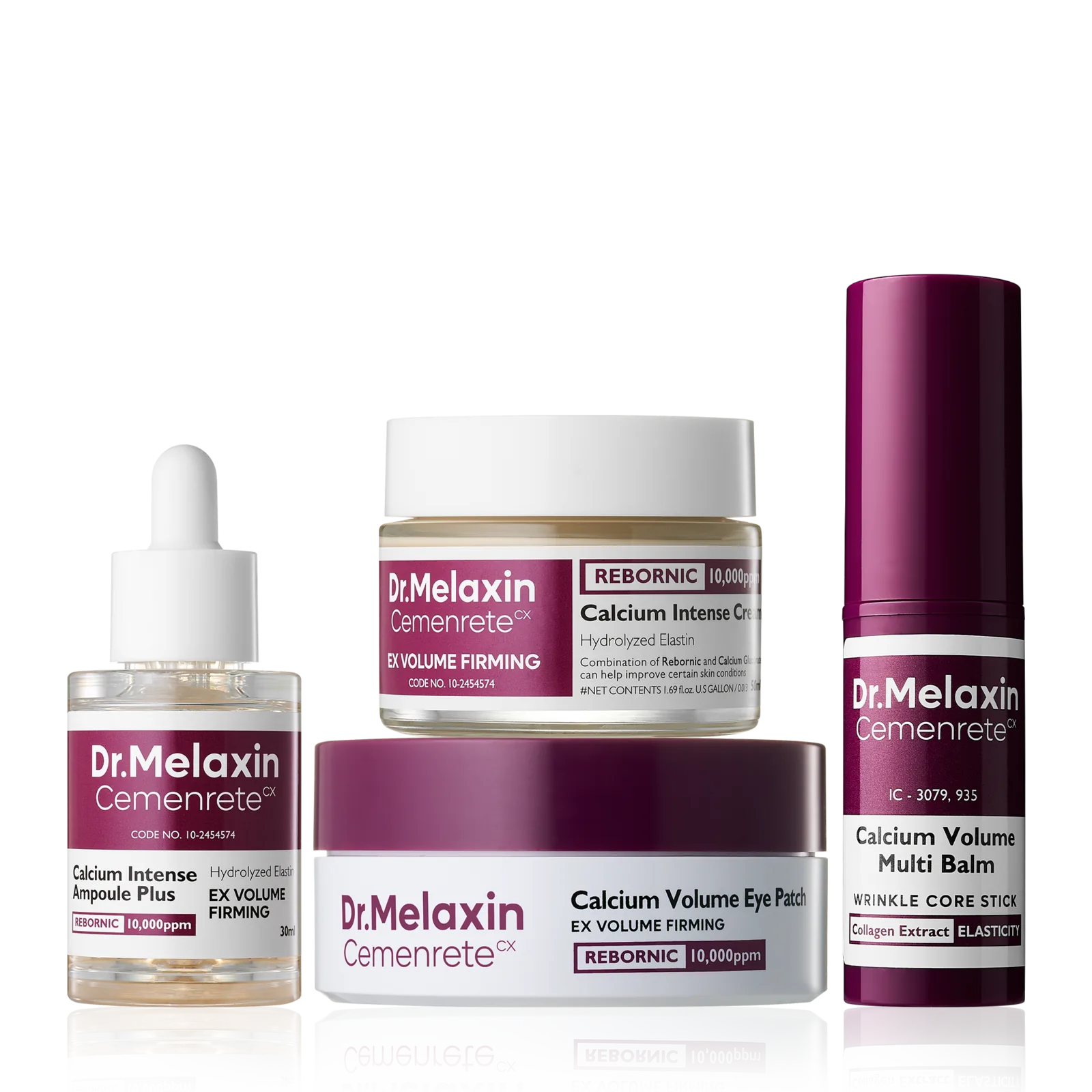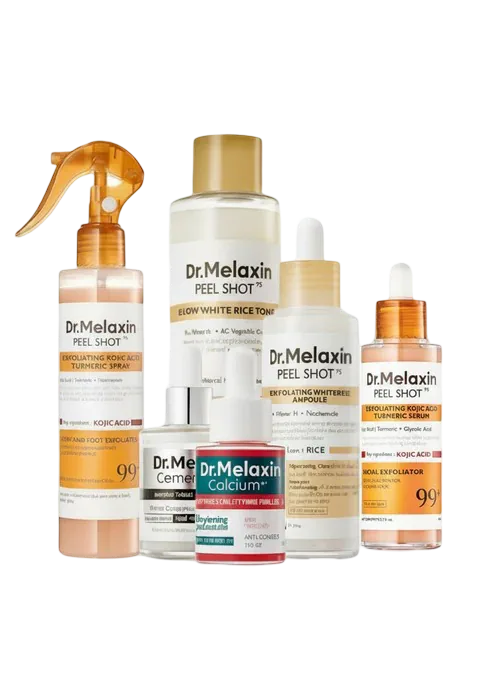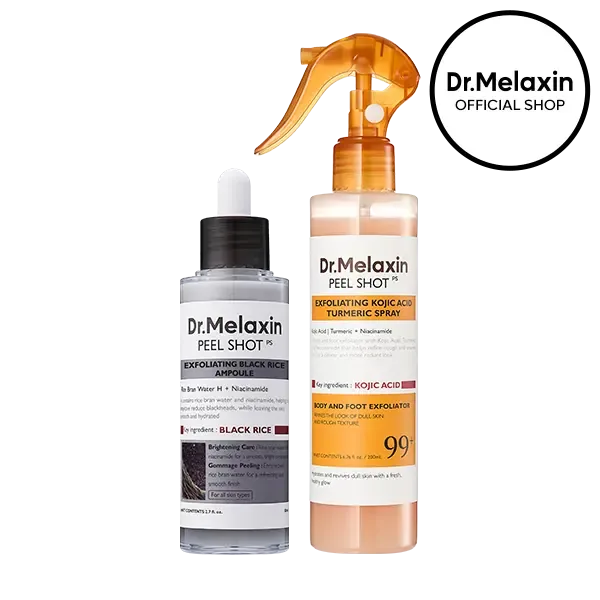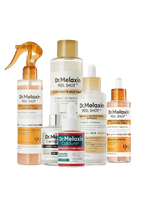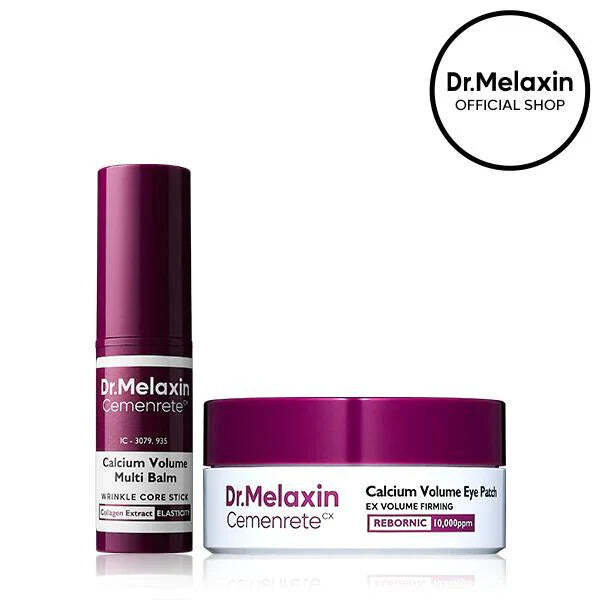
I've been deep in the Korean face serum world for over a year now, testing everything from cult-favorite snail mucin formulas to clinical-grade spicule treatments. Korean face serum technology is genuinely years ahead of Western skincare in certain areas — particularly ingredient innovation and layering philosophy. Here's my comprehensive breakdown of what makes K-beauty serums different and which ones actually deliver on their promises.
Quick Answer: What Makes Korean Face Serums Different?
Korean face serums prioritize ingredient innovation, multi-step layering compatibility, and skin barrier health over aggressive single-ingredient approaches. K-beauty serums typically feature unique bioactive compounds like snail mucin, fermented rice extracts, and bio-spicules at concentrations rarely found in Western formulations, backed by rigorous Korean cosmetic testing standards.
Key Takeaways
- K-beauty leads in ingredient innovation — Fermented extracts, bio-spicules, exosome technology, and PDRN are all Korean-pioneered ingredients now adopted globally
- Layering philosophy works — The multi-step approach allows each product to target a specific concern without overloading skin
- Formulation over marketing — Korean brands invest heavily in R&D, often spending 5-10% of revenue on research versus 1-2% for Western brands
- Barrier-first mentality — K-beauty treats skin barrier health as foundational, not optional
Quick Links
- Shop Dr. Melaxin Korean Skincare
- Cyano Pink Spicule Serum
- Peel Shot — Bio-Spicule Innovation
- Snail Mucin Serum Guide
- Ampoule vs. Serum Explained
- Niacinamide Serum Guide
- Brightening Serum Guide
- K-Beauty Ingredient Science
Why Korean Face Serums Are Different
The Korean skincare industry operates under a fundamentally different philosophy than its Western counterpart. While Western dermatology tends toward aggressive, pharmaceutical-style approaches — high-concentration retinoids, chemical peels, laser treatments — Korean skincare focuses on consistent, gentle, multi-layered care that respects the skin barrier while delivering active ingredients over time.
This isn't just cultural preference; it's backed by formulation science. Korean cosmetic R&D facilities have pioneered several ingredient categories that are now being adopted by Western brands years later. Fermented extracts (galactomyces, saccharomyces) were Korean innovations in the 2000s. Snail mucin was popularized in Korea a decade before it hit Western markets. And the latest frontier — bio-spicule delivery technology and exosome-based treatments — remains almost exclusively a Korean speciality.
The regulatory environment matters too. Korea's Ministry of Food and Drug Safety (MFDS) classifies many skincare ingredients as "functional cosmetics" — a category that requires clinical testing to substantiate efficacy claims. This means products marketed as "brightening" or "anti-wrinkle" in Korea actually have to prove they work, unlike the largely unregulated claims in the US market.
The Korean Face Serum Categories You Need to Know
Essence Serums
The lightest category — watery, fast-absorbing, and designed to be the first active step after cleansing and toning. Traditional essences use fermented ingredients (galactomyces ferment filtrate, saccharomyces ferment filtrate) that are pre-digested into smaller molecular weights for better skin penetration. These build the foundation of hydration that makes subsequent products more effective.
Ampoule Serums
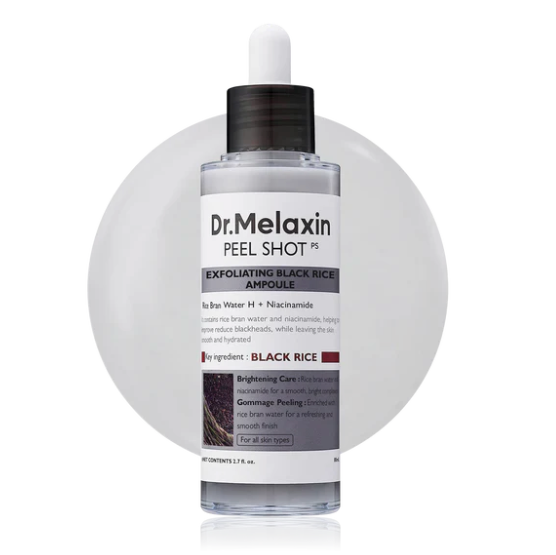
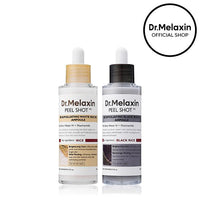
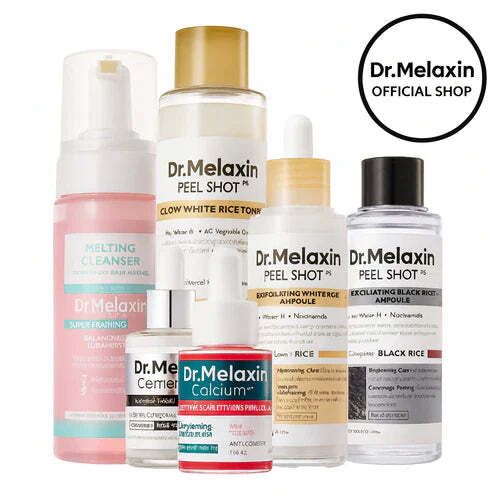
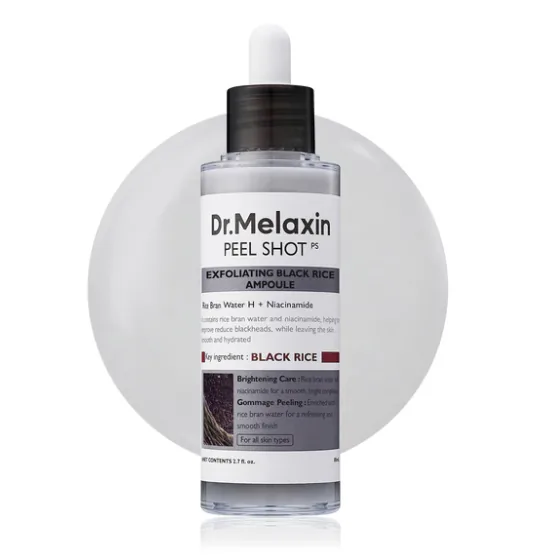
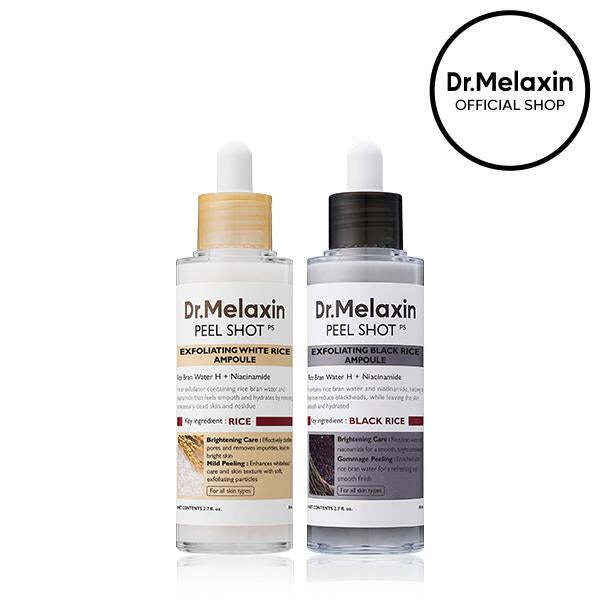
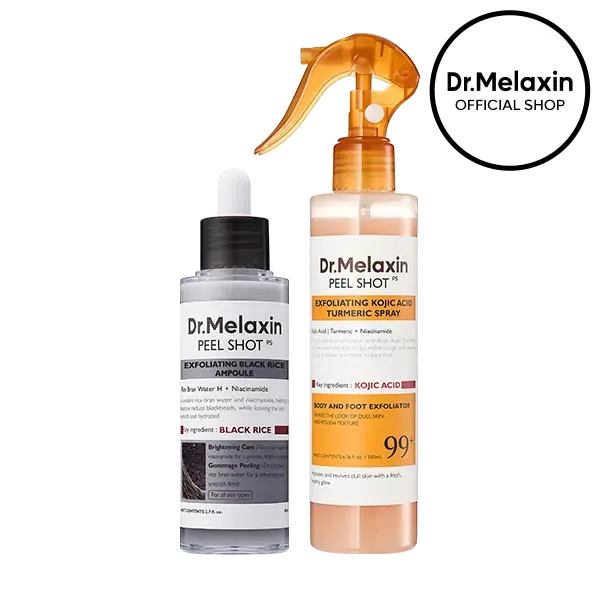
Concentrated treatments at 2-5x the active ingredient levels of standard serums. Korean ampoules are designed for intensive treatment courses — typically 4-8 weeks of targeted care for specific concerns. The TX Ampoule Rx exemplifies this approach, delivering tranexamic acid and retinal at concentrations that transform skin tone over a focused treatment period. The Black Rice Ampoule uses fermented rice extract for deep brightening.
Bio-Spicule Serums
This is where Korean face serums are truly pioneering. Bio-spicule serums contain microscopic freshwater sponge needles (spongilla spicules) that create micro-channels in the stratum corneum upon application. These channels serve dual purposes: they trigger a natural wound-healing response that stimulates collagen production, and they dramatically increase the penetration of any active ingredients applied afterward.
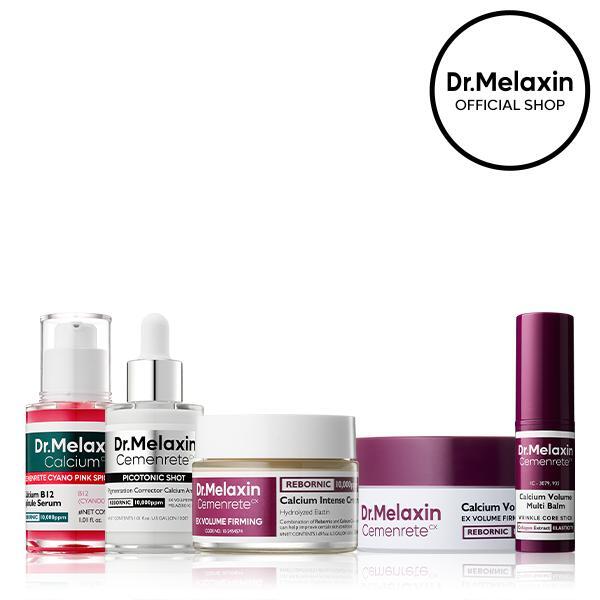
The Cyano Pink Spicule Serum combines these bio-spicules with peptide complexes and centella asiatica for a treatment that simultaneously exfoliates, stimulates collagen, and calms inflammation. In my testing, this combination produced more visible results in 4 weeks than a standalone retinol serum delivered in 8. The science behind this is detailed in the ingredient analysis.
PDRN/Exosome Serums
The newest frontier in Korean face serum technology. PDRN (polydeoxyribonucleotide) — derived from salmon DNA — accelerates tissue repair and stimulates fibroblast activity. Exosomes are cellular messengers that deliver growth factors directly into target cells. Both ingredients are used in Korean dermatology clinics for post-procedure recovery and anti-aging, and they're now appearing in over-the-counter serum formulations. The Rice Peel Ampoule incorporates regenerative peptides in a similar recovery-focused approach.
How To Build a Korean Serum Routine
The classic K-beauty routine uses 7-10 steps, but the serum portion is where the real customization happens. Here's how I structure my serum layers for maximum benefit:
Hydration Layer
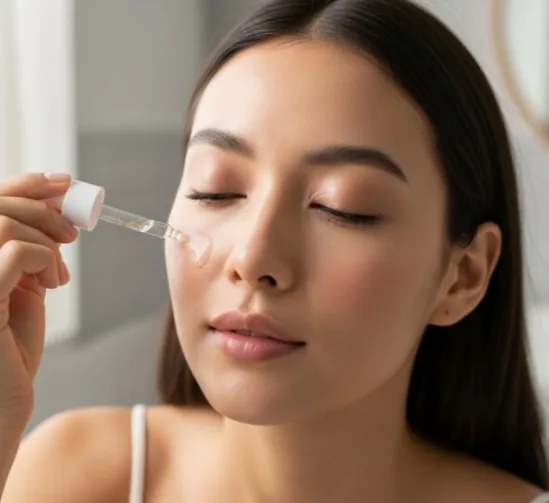
Start with a hydrating essence or snail mucin serum. This primes your skin with moisture and creates an optimal environment for active ingredients to penetrate. Apply to damp skin — moisture on the surface increases ingredient absorption by up to 10x.
Active Treatment Layer
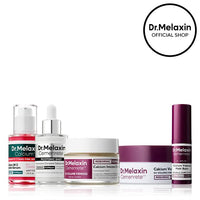
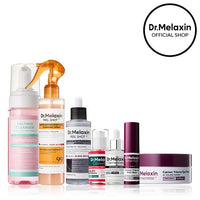
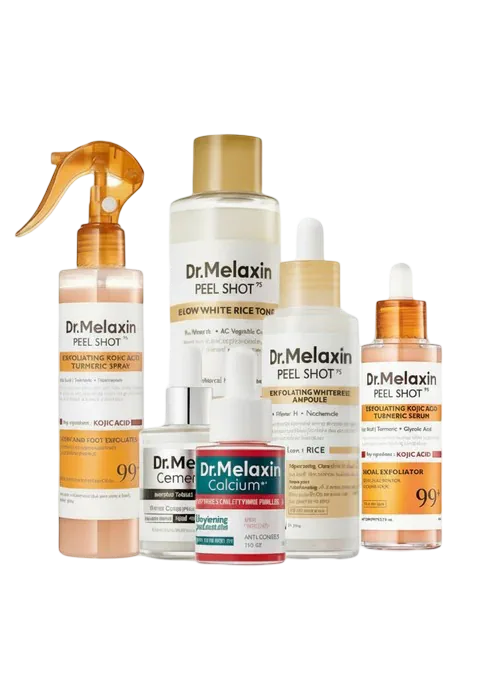
This is your targeted serum — brightening, anti-aging, or acne-fighting, depending on your primary concern. Use clinical-grade Korean formulations that leverage the innovative ingredients I discussed above. The Dr. Melaxin bestsellers cover all major concern categories.
Ampoule Boost (When Needed)
During intensive treatment phases — recovering from sun damage, addressing a breakout, preparing for an event — add an ampoule between your serum and moisturizer. This concentrated step supercharges your results without requiring a complete routine overhaul.
Korean Face Serum Ingredients: What the Science Says
Fermented Rice Extracts
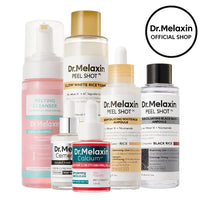
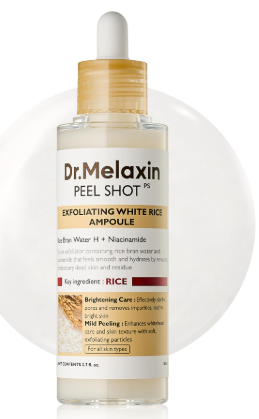
Rice fermentation produces a cocktail of amino acids, kojic acid, ferulic acid, and phytic acid that work synergistically to brighten skin tone and improve texture. Korean brands have perfected this fermentation process over decades — the White Rice Ampoule and Black Rice Ampoule use proprietary fermentation to maximize active compound yield.
Centella Asiatica (Cica)
Korea's favorite calming ingredient, backed by clinical studies showing acceleration of wound healing by up to 40%. The active compounds — madecassoside, asiaticoside, and asiatic acid — stimulate collagen synthesis while simultaneously reducing inflammation. The Cicapyrin Calming line uses pharmaceutical-grade centella extraction.
Tranexamic Acid
Originally a prescription medication for blood clotting, tranexamic acid has been adopted by Korean dermatology for its powerful melanin-inhibiting properties. It works by blocking the plasminogen pathway that triggers melanocyte activation after UV exposure or inflammation. The Dr. Melaxin TX range is one of the most clinically rigorous tranexamic acid skincare lines available.
Avoiding Fake Korean Face Serums
The popularity of K-beauty has unfortunately spawned a massive counterfeit market. I've personally encountered fake products on Amazon that had completely different ingredient compositions than the genuine articles — some contained undisclosed fragrances and irritants, while others had degraded active ingredients that were essentially inactive.
Always buy Korean face serums from authorized retailers or directly from brand stores. The Dr. Melaxin collection ships from verified suppliers with batch tracking. For tips on identifying counterfeit K-beauty products, check my complete verification guide.
Where to Buy
For authentic Korean face serums with clinical-grade formulations, I consistently recommend the Dr. Melaxin range — their bio-spicule technology, tranexamic acid products, and fermented rice ampoules represent the best of Korean skincare innovation. Every product ships directly from authorized Korean suppliers with full ingredient transparency and proper cold-chain shipping for temperature-sensitive actives.
Conclusion
Korean face serum technology is genuinely ahead of the curve — from bio-spicule delivery systems to fermented ingredient complexes to exosome-based treatments. The key is choosing products that leverage these innovations with scientifically validated ingredients at proper concentrations, not just riding the K-beauty marketing wave. Start with the fundamentals — hydration, targeted treatment, sun protection — and layer Korean innovations on top for results that speak for themselves.
FAQs
Are Korean face serums better than Western ones?
In many categories, yes — particularly ingredient innovation (bio-spicules, fermented extracts, PDRN), formulation gentleness, and multi-step compatibility. Western brands often excel in prescription-strength retinoids and physician-dispensed products. The best routine often combines both: Korean innovation for daily care and Korean clinical treatments for intensive results.
How many Korean serums should I use at once?
Two to three maximum in a single routine. Layer from thinnest to thickest consistency. Using more than three serums simultaneously leads to ingredient conflicts and reduced absorption. Rotate different serums for different concerns rather than stacking everything at once.
What is the most popular Korean face serum ingredient?
As of 2025, bio-spicule technology and PDRN-based formulations have overtaken snail mucin as the trending K-beauty ingredients. However, niacinamide remains the most universally used active ingredient across Korean serums due to its versatility and gentle profile.
Can sensitive skin use Korean face serums?
Absolutely. Korean skincare philosophy prioritizes barrier health, and many K-beauty serums are specifically formulated for sensitive skin. Look for products containing centella asiatica, panthenol, and ceramides. The Cicapyrin Calming line is specifically designed for reactive skin types.