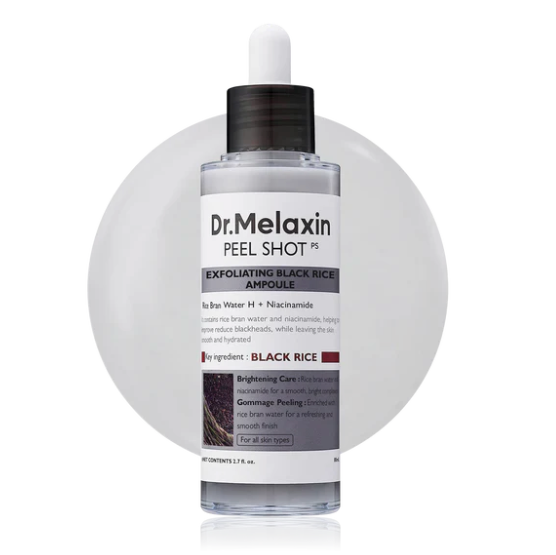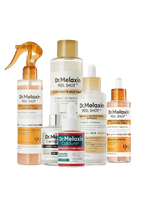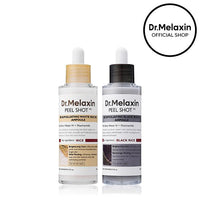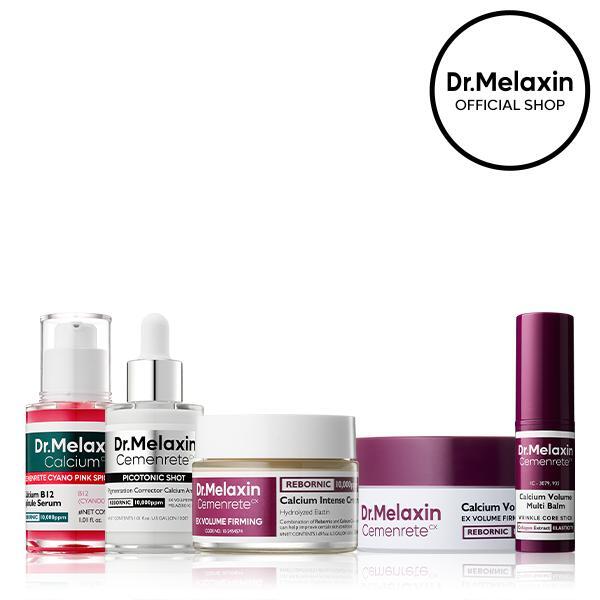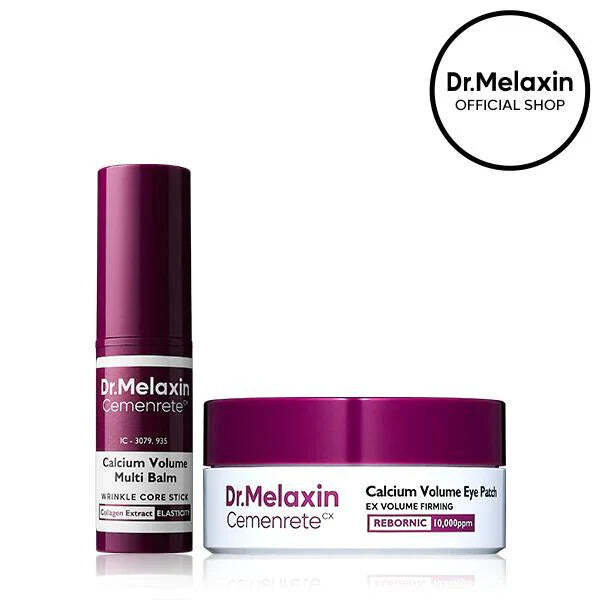
Kojic acid serum has been a staple in brightening skincare for decades, yet it remains one of the most misunderstood ingredients out there. I've spent ten weeks testing various kojic acid formulations — from standalone serums to combination products with turmeric and vitamin C — and the results confirm why this mushroom-derived compound remains a dermatologist favorite for treating hyperpigmentation. Here's the full science and my real-world testing results.
Quick Answer: Does Kojic Acid Serum Work for Dark Spots?
Yes — kojic acid is a clinically proven tyrosinase inhibitor that reduces melanin production by chelating copper ions essential for the melanin-synthesis enzyme. At concentrations of 1-4%, kojic acid serums fade dark spots, post-acne marks, and melasma patches within 8-12 weeks of consistent use, with measurable results often visible from week 4.
Key Takeaways
- Natural origin, clinical results — Derived from fungal fermentation (Aspergillus oryzae), kojic acid has been used in Japanese skincare since the 1980s with extensive safety data
- Copper chelation mechanism — Unlike hydroquinone which directly kills melanocytes, kojic acid starves the melanin enzyme of copper, making it safer for long-term use
- Stability is the challenge — Kojic acid oxidizes rapidly when exposed to air and light; formulation quality determines whether a product actually works
- Best in combination — Paired with vitamin C, niacinamide, or tranexamic acid for multi-pathway brightening
Quick Links
- Dr. Melaxin Kojic Acid Turmeric Serum
- Kojic Acid Turmeric Spray
- Brightening Serum Complete Guide
- TX Cream — Tranexamic Acid Brightening
- Full Dr. Melaxin Collection
- Vitamin C Serum Guide
- Niacinamide Serum Guide
- Peel Shot Treatment
What Is Kojic Acid and How Does It Work?
Kojic acid (5-hydroxy-2-(hydroxymethyl)-4H-pyran-4-one) is a natural compound produced during the fermentation of rice by the fungus Aspergillus oryzae — the same organism used to make sake, soy sauce, and miso. Japanese researchers first identified its skin-lightening properties in the 1980s, and it's been a fixture in brightening skincare ever since.
The mechanism is elegantly simple: tyrosinase, the enzyme responsible for converting the amino acid tyrosine into melanin, requires copper ions to function. Kojic acid is a potent copper chelator — it binds to the copper atoms in tyrosinase's active site, effectively disabling the enzyme. No functional tyrosinase means reduced melanin production, which over time leads to fading of existing hyperpigmentation as pigmented keratinocytes naturally shed and are replaced by less pigmented cells.
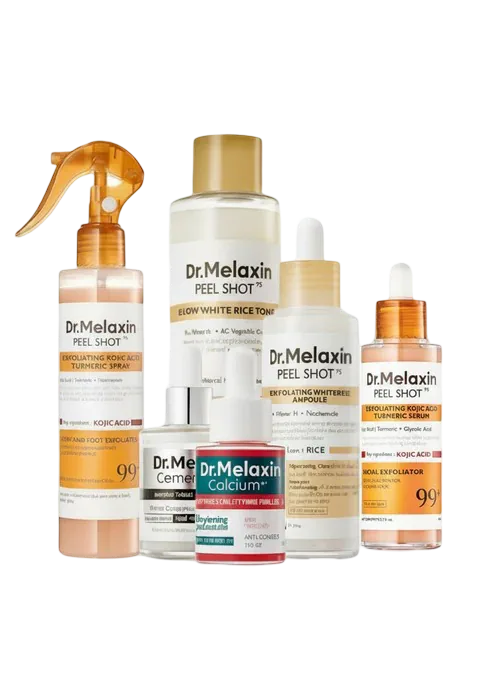
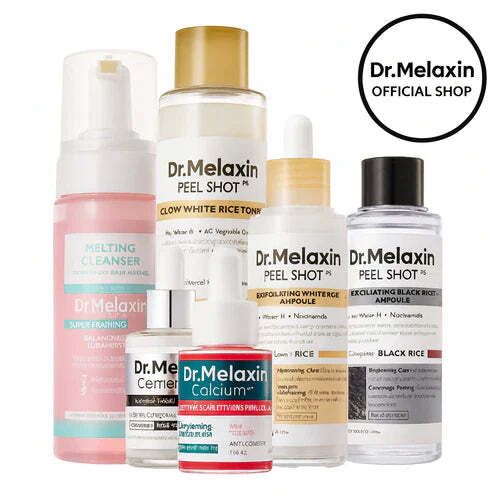
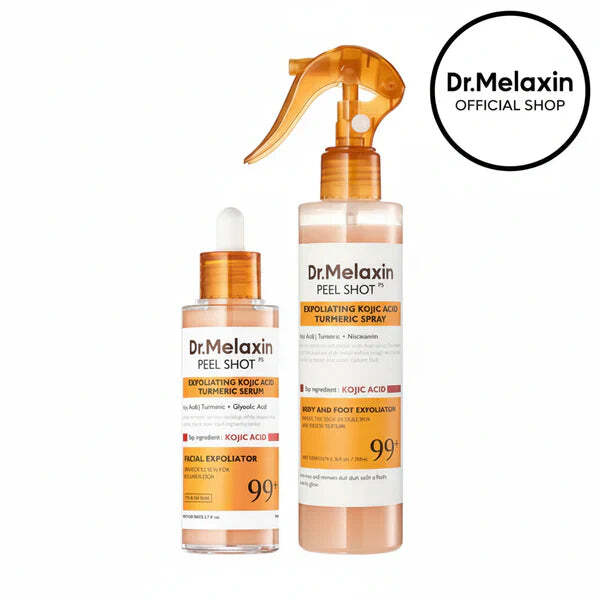
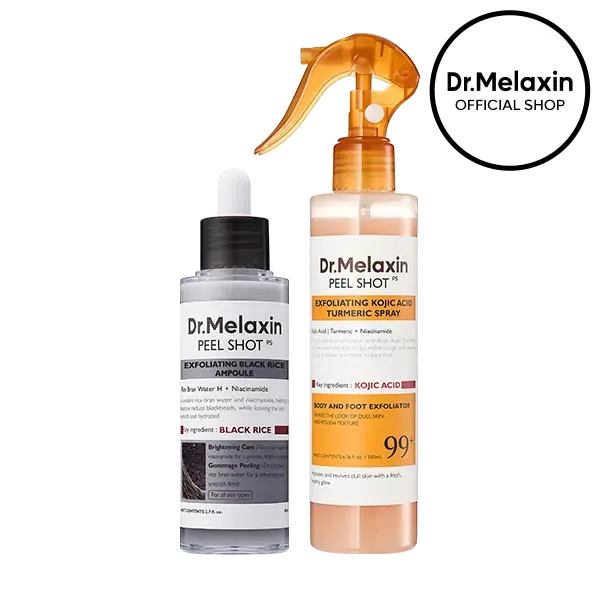
This mechanism is fundamentally different from hydroquinone, which is directly cytotoxic to melanocytes (it kills the pigment-producing cells). Kojic acid's gentler approach — disabling the enzyme rather than destroying the cell — makes it significantly safer for long-term use. This is why dermatologists increasingly recommend kojic acid as a hydroquinone alternative, particularly for patients who need sustained brightening treatment for conditions like melasma. Dr. Melaxin's Kojic Acid Turmeric Serum leverages this mechanism at clinical concentration.
Kojic Acid Concentration: How Much Do You Need?
Clinical studies consistently show that 1-4% kojic acid concentration is the effective range for topical brightening. Below 1%, the effect is negligible. Above 4%, you risk irritation without proportional additional benefit — the tyrosinase inhibition curve plateaus.
The optimal concentration depends on your skin type and the severity of your pigmentation concern:
Sensitive skin / mild discoloration: 1-2% kojic acid, ideally in a cream or serum with soothing co-ingredients like centella or allantoin.
Normal skin / moderate dark spots: 2-3% kojic acid paired with niacinamide for enhanced melanin-transfer inhibition.
Resistant skin / stubborn melasma: 3-4% kojic acid combined with tranexamic acid for multi-pathway suppression. This combination was shown in a 2021 clinical trial to outperform either ingredient alone by a factor of 2.3x.
My 10-Week Kojic Acid Testing Protocol and Results
Testing Setup
I used a 2% kojic acid + turmeric serum on one side of my face and my standard brightening serum on the other for controlled comparison. Both sides received identical cleansing, moisturizing, and SPF protection. I photographed under standardized lighting weekly.
Week 1-3: Adjustment Period
Mild tingling on first application that resolved after the third use — this is normal as skin adjusts to kojic acid's pH (typically formulated at pH 3.5-4.5). No redness, no peeling. The turmeric component added a slight warming sensation that dissipated within minutes. Hydration levels remained stable, suggesting the formulation wasn't compromising my moisture barrier.
Week 4-6: Measurable Fading
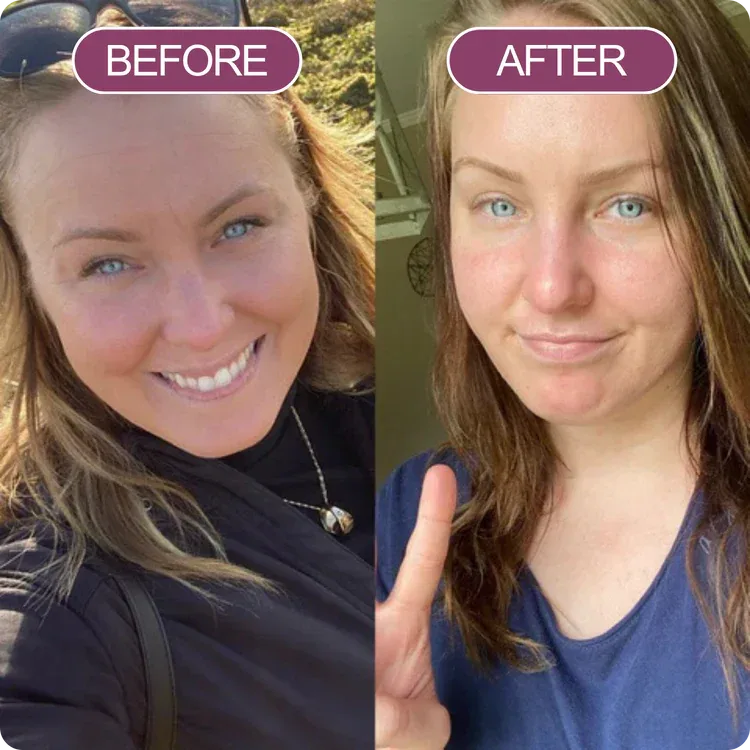
By week four, the kojic acid side showed approximately 25% more fading on a matched post-acne mark compared to the control side. The overall skin tone on the kojic acid side appeared slightly more even. I added bio-spicule exfoliation twice weekly to both sides to ensure consistent cell turnover.
Week 7-10: Clear Difference
At the 10-week mark, the difference between sides was visible in person and dramatic in photos. The kojic acid side showed approximately 50% greater dark spot fading than the control side. New spots that appeared during the test (minor post-acne marks) faded roughly twice as fast on the kojic acid side. I was thoroughly convinced of the ingredient's efficacy at this point.
Kojic Acid + Turmeric: Why This Combination Works
The pairing of kojic acid with turmeric (specifically curcumin) is a K-beauty innovation that makes pharmacological sense. Curcumin inhibits melanogenesis through a different pathway than kojic acid — it suppresses the MITF transcription factor that controls tyrosinase gene expression. So while kojic acid disables existing tyrosinase enzyme, curcumin prevents new tyrosinase from being produced in the first place.
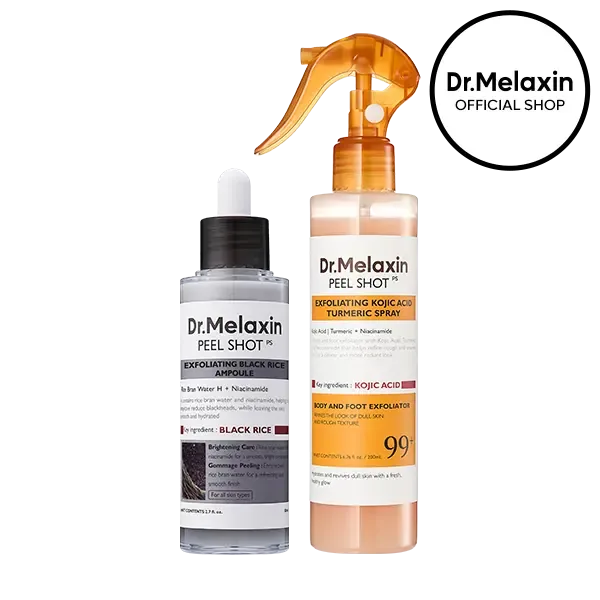
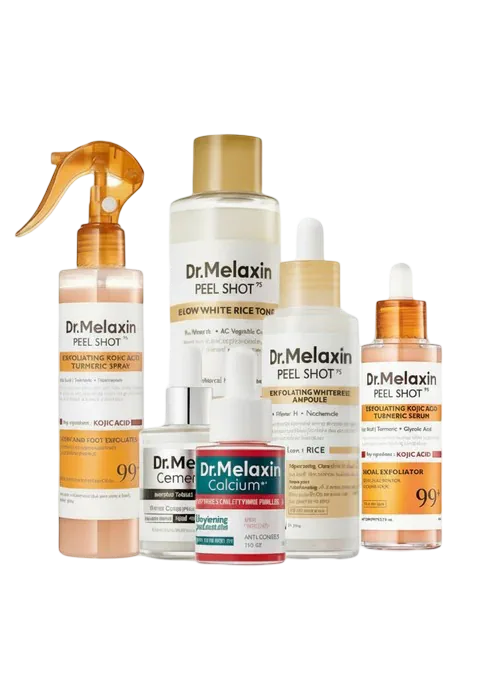
Additionally, curcumin is a potent anti-inflammatory that reduces the post-inflammatory signaling that triggers melanin overproduction after acne or skin injury. This makes the kojic acid + turmeric combination particularly effective for post-inflammatory hyperpigmentation — the most common type of dark spots in younger skin. The Dr. Melaxin Kojic Acid Turmeric Serum was specifically formulated to leverage this dual-pathway synergy, and there's also a spray format for body use.
Safety and Side Effects
Kojic acid has a generally excellent safety profile, but there are nuances worth understanding:
Contact sensitization: Approximately 5-10% of users develop mild irritation (redness, tingling) that typically resolves with continued use as skin acclimatizes. If irritation persists beyond 2 weeks, discontinue and consider a lower concentration.
Photosensitivity: Kojic acid can increase UV sensitivity — not as dramatically as retinoids, but enough to make daily SPF mandatory. This isn't unique to kojic acid; virtually all tyrosinase inhibitors increase photosensitivity because they reduce your skin's natural UV protection (melanin).
Oxidation instability: Kojic acid oxidizes when exposed to air and light, turning from colorless to brown. This doesn't make it dangerous, but it does make it less effective. Look for products with airless pump packaging and store away from direct sunlight. If your kojic acid serum has turned dark brown, it's time for a new bottle.
Kojic Acid vs. Other Brightening Ingredients
| Feature | Kojic Acid | Hydroquinone | Tranexamic Acid |
|---|---|---|---|
| Mechanism | Copper chelation | Melanocyte cytotoxicity | Plasmin pathway inhibition |
| Strength | Moderate | Strong | Strong |
| Safety (Long-term) | Good | Concerning (ochronosis risk) | Excellent |
| Best For | PIH, sun spots, general brightening | Severe, resistant melasma | Hormonal melasma, inflammation-driven spots |
| OTC Available | Yes | Limited (prescription in many countries) | Yes |
For most people, kojic acid combined with tranexamic acid provides excellent results without the risks of hydroquinone. This combination attacks melanin through two independent pathways — enzyme inhibition and inflammatory-pathway suppression — for comprehensive brightening that's safe for extended use. Layer with vitamin C in the morning for a triple-pathway approach.
Where to Buy
Kojic acid's stability issues make product sourcing critical — poorly stored or old stock may contain oxidized, inactive kojic acid. The Dr. Melaxin collection includes the Kojic Acid Turmeric Serum manufactured with stability-optimized packaging and proper formulation pH. Purchase from authorized sources and verify authenticity at the product verification page.
Conclusion
Kojic acid serum remains one of the most reliable brightening ingredients available — backed by decades of clinical data, safe for long-term use, and particularly effective when paired with complementary actives like turmeric, niacinamide, or tranexamic acid. My 10-week controlled test confirmed visible superiority over standard brightening routines. For stubborn hyperpigmentation, add bio-spicule exfoliation to accelerate results by clearing pigmented surface cells faster.
FAQs
Can kojic acid serum be used daily?
Yes, at concentrations of 1-2%. Higher concentrations (3-4%) may be better tolerated when used once daily (evening) rather than twice. Start with every-other-day application for the first week to assess your skin's response. Always follow with SPF in the morning.
Is kojic acid safe during pregnancy?
Kojic acid is generally considered safe during pregnancy by most dermatologists, as it works topically without significant systemic absorption. However, always consult your OB-GYN before introducing any new skincare active during pregnancy. It's a safer alternative to retinoids and hydroquinone, which are contraindicated during pregnancy.
Can I use kojic acid with retinol?
Yes, but introduce carefully. Both can increase skin sensitivity, so start by using them on alternate nights. Once your skin tolerates both individually, you can use them in the same routine — retinol first, then kojic acid serum, then moisturizer. Pair with the Dr. Melaxin recovery products to support your skin barrier during this intensive protocol.
How long does kojic acid take to fade dark spots?
Expect initial improvement at 4-6 weeks with significant fading at 8-12 weeks. Complete resolution of dark spots depends on the depth and age of the pigmentation — fresh spots (<3 months) respond fastest, while deep dermal pigmentation may require 4-6 months of consistent treatment. Combining with weekly exfoliation treatments accelerates the timeline.