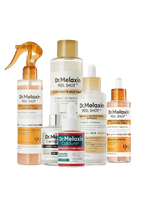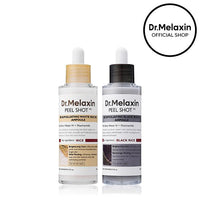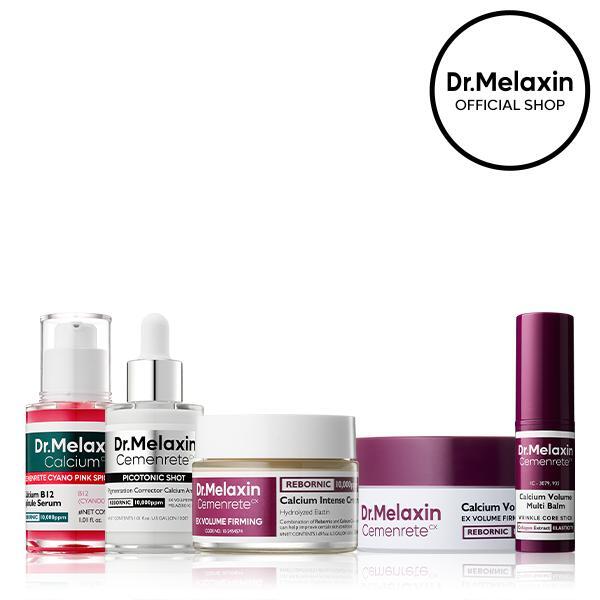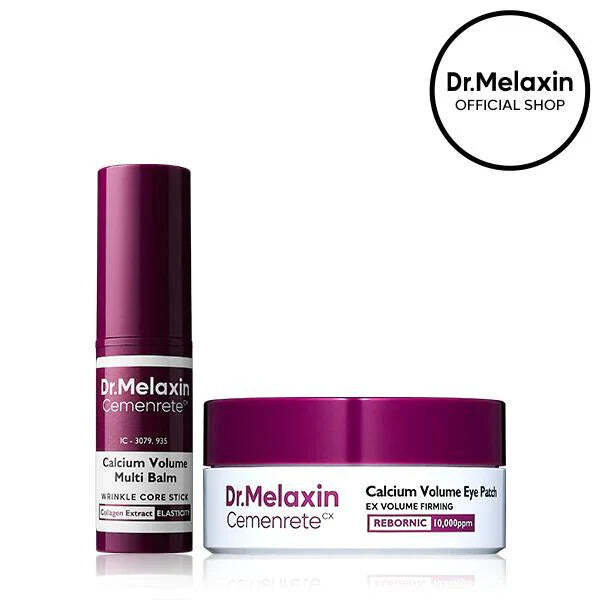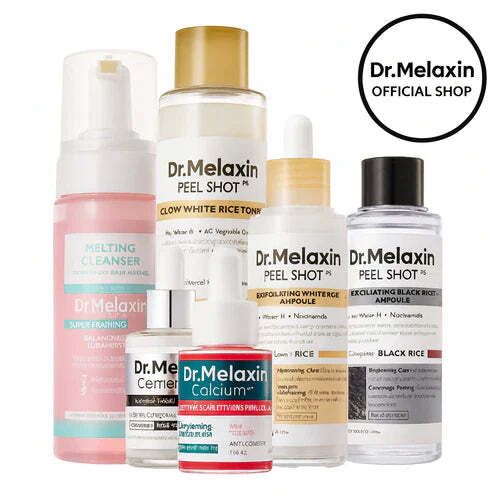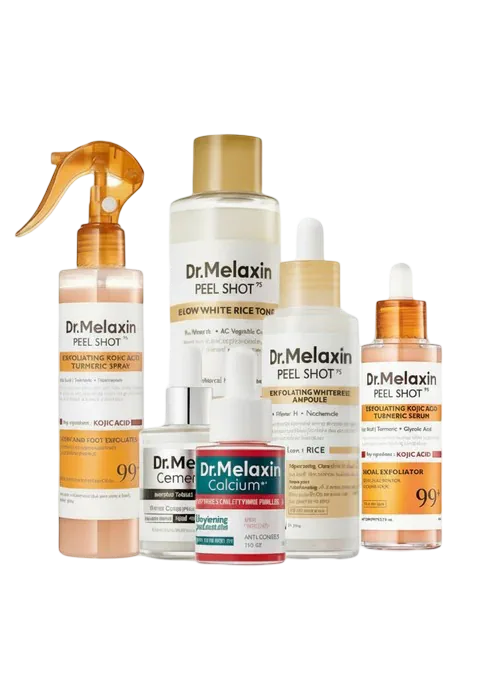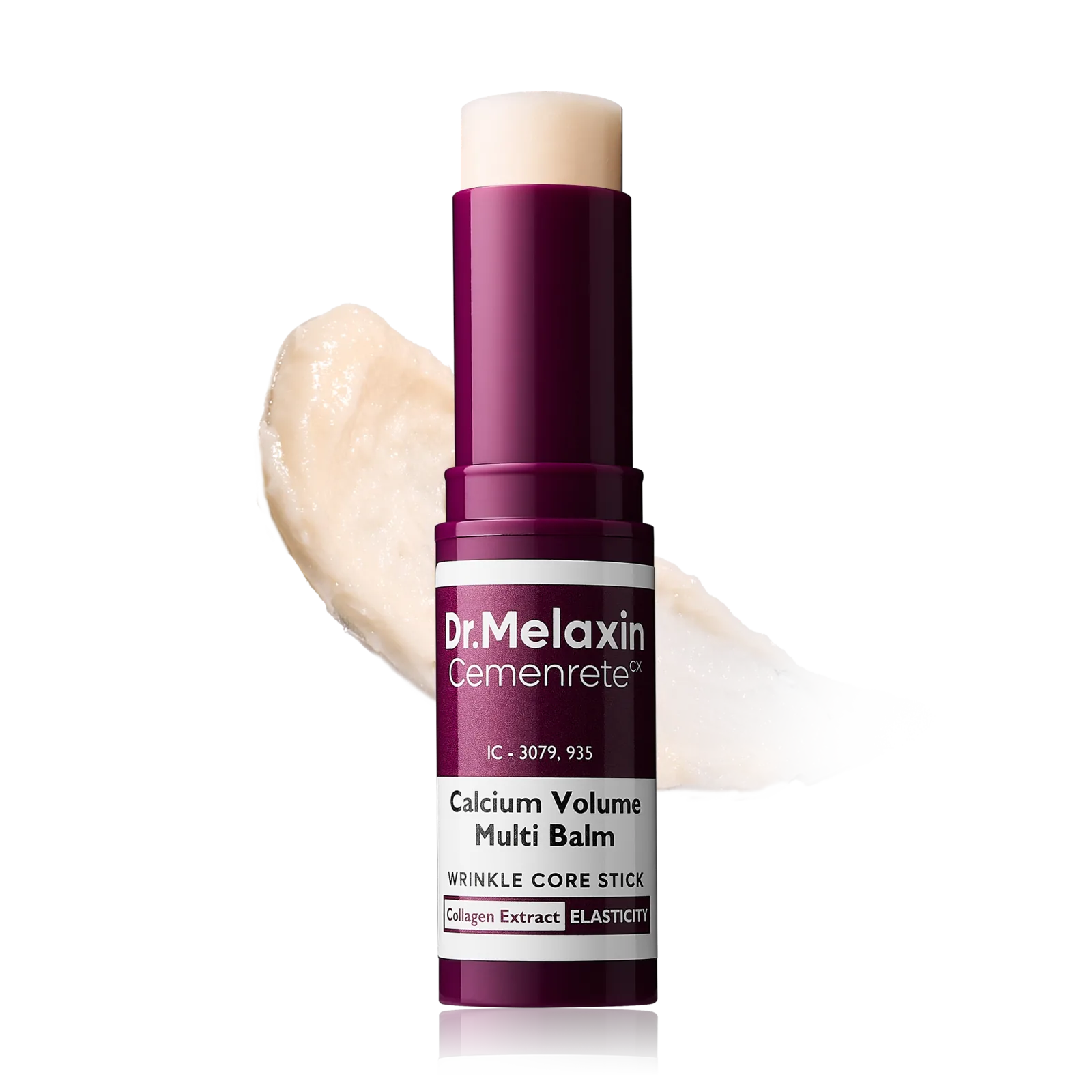
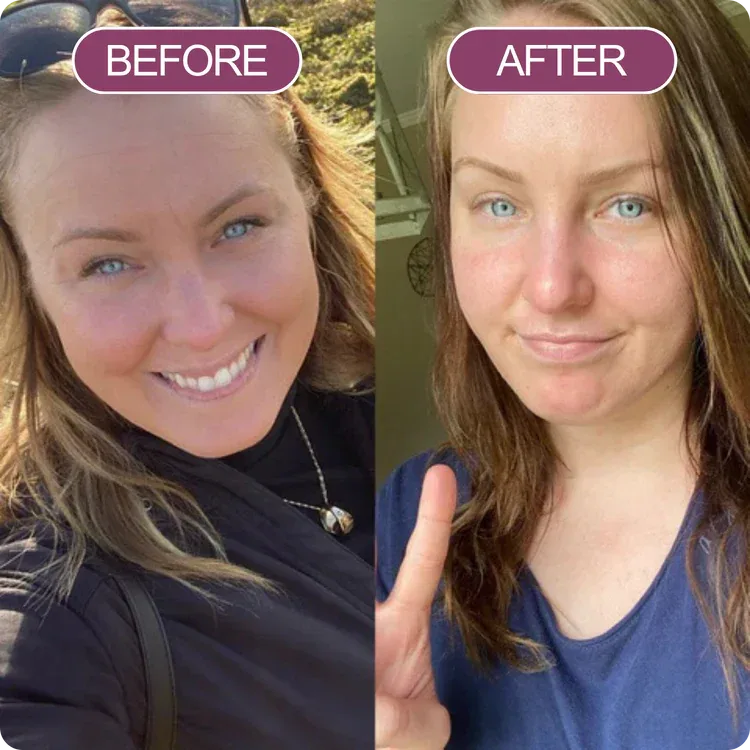
I spent eight weeks refining my glass skin routine from scratch — testing every technique, layering order, and product combination until I achieved that translucent, lit-from-within finish that defines Korean glass skin. This isn't a simplified "5 easy steps" guide. It's the full protocol, with the science behind why each step matters and the specific products and ingredients that make the difference between "moisturized" and genuinely luminous skin.
Quick Answer: What Is a Glass Skin Routine?
A glass skin routine is a multi-step Korean skincare protocol designed to achieve a translucent, poreless, deeply hydrated complexion that appears to reflect light like glass. It combines thorough cleansing, layered hydration, controlled exfoliation, and targeted brightening to create smooth, luminous skin with no visible texture or pores.
Key Takeaways
- Hydration layering is the foundation — Glass skin requires multiple thin hydration layers (toner, essence, serum, ampoule) rather than one thick moisturizer
- Exfoliation is non-negotiable — You cannot achieve glass skin without regular exfoliation to remove texture and dead cells that scatter light
- It takes 4-6 weeks minimum — Glass skin is a skin condition, not a makeup technique; building the foundation requires patience and consistency
- SPF protects the investment — UV damage creates texture, pigmentation, and dullness that undo every other step
Quick Links
- Dr. Melaxin Glass Skin Collection
- Peel Shot — Key to Glass Skin Exfoliation
- Korean Face Serum Guide
- Snail Mucin for Deep Hydration
- Black Rice Ampoule for Luminosity
- Niacinamide Serum Guide
- Brightening Serum Guide
- Aqua Ion Hydrating Gel Cream
What Is Glass Skin and Why Is It Different from "Dewy" Skin?
Glass skin (유리 피부, "yuri pibu" in Korean) refers to skin so smooth, hydrated, and even-toned that it appears transparent — like light passes through it rather than bouncing off the surface. It's been the defining aesthetic goal of Korean skincare since the term was coined in Seoul beauty circles around 2017.
The distinction from "dewy" or "glowy" skin is important: dewy skin looks wet on the surface (often achieved with highlighter or facial mist). Glass skin looks luminous from within — the light refraction comes from genuinely smooth, well-hydrated skin cells rather than surface-level moisture. You can wash your face and still have glass skin. You can't wash your face and still look dewy — that proves the difference.
Achieving glass skin requires addressing four pillars simultaneously: surface texture (removing dead cells and roughness that scatter light), hydration depth (plumping cells so they sit flush against each other), even pigmentation (eliminating dark spots and redness that break up the "glass" effect), and barrier health (a strong, intact moisture barrier that holds everything together). My routine addresses all four.
The Complete Glass Skin Routine — Step by Step
Step 1: Oil Cleanse (Evening Only)
Start with an oil-based cleanser to dissolve SPF, makeup, and sebum without stripping your moisture barrier. Massage for 60 seconds to also dissolve sebaceous filaments in your pores — this gentle approach to pore clearing is far more sustainable than aggressive extraction. Glass skin starts with clean pores.
Step 2: Water-Based Cleanse
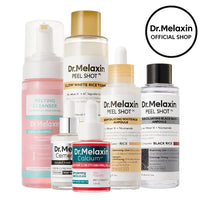
Follow with a gentle, pH-balanced (5.5-6.0) water-based cleanser. Avoid foam cleansers with sulfates — they strip the natural lipids that form your moisture barrier. The Black Rice Mochi Whip Cleanser provides effective cleansing with a soft, non-stripping foam that maintains barrier integrity. In the morning, this is often the only cleanse you need.
Step 3: Exfoliation (2-3x Per Week)
This is the step most glass skin guides underemphasize, and it's arguably the most critical. Dead skin cells on the surface scatter light in all directions, creating the "matte" or "textured" appearance that's the opposite of glass skin. Regular exfoliation reveals the smooth, fresh cells underneath that refract light uniformly — creating that glass-like transparency.
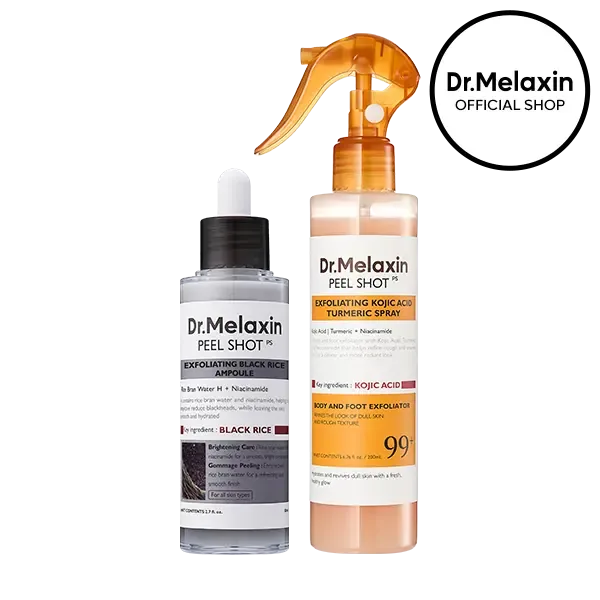
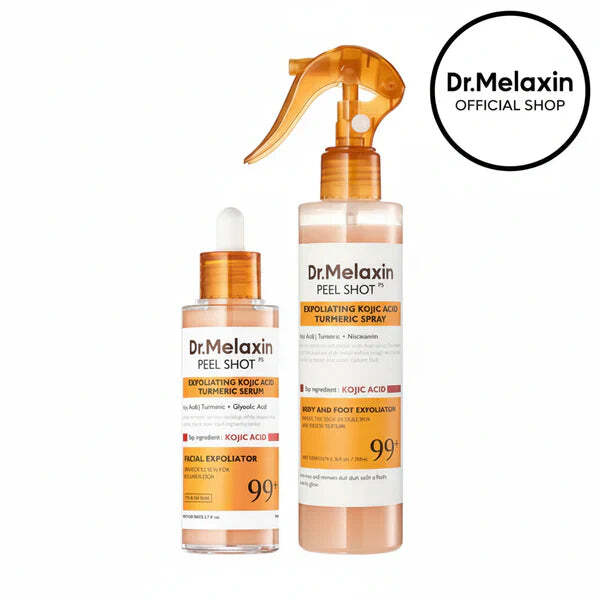
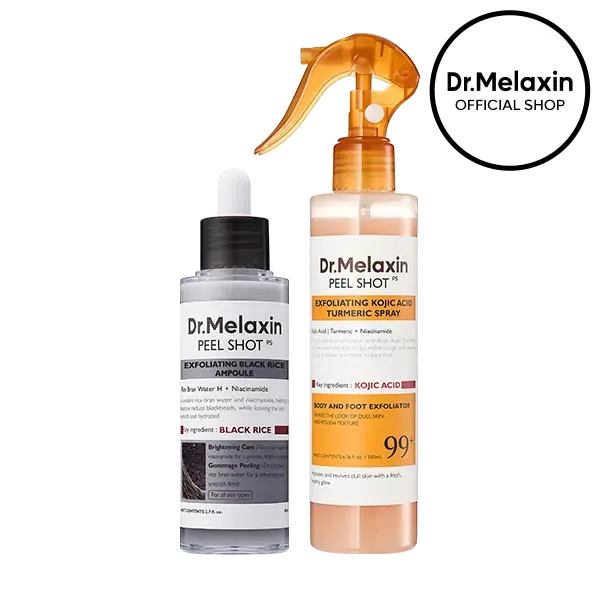
I use the Dr. Melaxin Peel Shot as my primary exfoliant. The bio-spicule technology provides controlled micro-exfoliation that removes dead cells without inflammatory damage. This distinction matters: aggressive chemical peels or physical scrubs can cause micro-inflammation that triggers redness and PIH — the exact opposite of glass skin. Bio-spicules provide the exfoliation benefit while triggering a collagen-stimulating wound-healing response. Check the detailed Peel Shot usage guide for proper technique.
Step 4: Toner (Hydrating Type)
Apply a hydrating toner to damp skin. This step has two purposes: rebalancing pH after cleansing and laying the first hydration layer. Korean "skin" toners (like the Glow Rice Tonic) are formulated for this — they're watery, fast-absorbing, and loaded with humectants. Apply with the "7-skin method" if you want maximum hydration: pat on 3-7 thin layers, letting each absorb before the next.
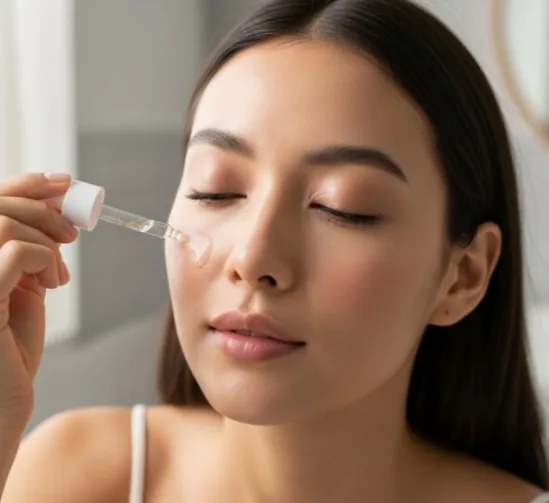
Step 5: Essence or Serum
This is your active treatment layer. For glass skin, prioritize ingredients that address your specific barriers to transparency:
For dullness/uneven tone: Brightening serum with niacinamide, vitamin C, or tranexamic acid
For texture/fine lines: PDRN serum or retinoid for collagen stimulation
For dehydration: Snail mucin serum for deep, sustained hydration
For overall rejuvenation: Cyano Pink Spicule Serum for bio-spicule delivery of peptides
Step 6: Ampoule (Intensive Phase)
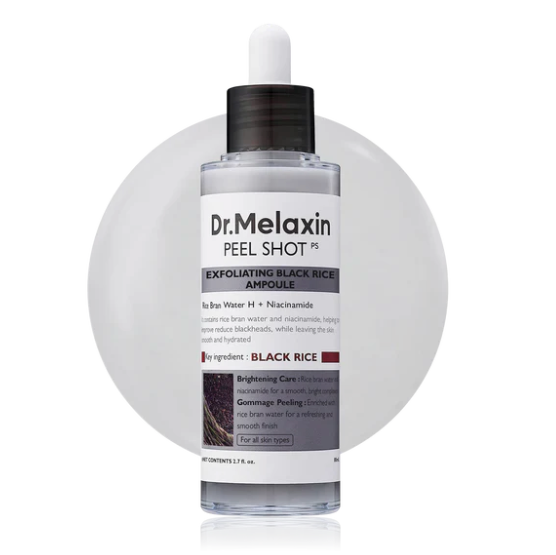
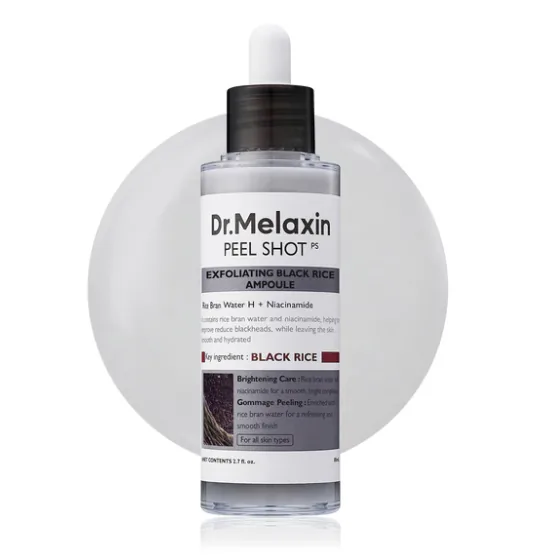
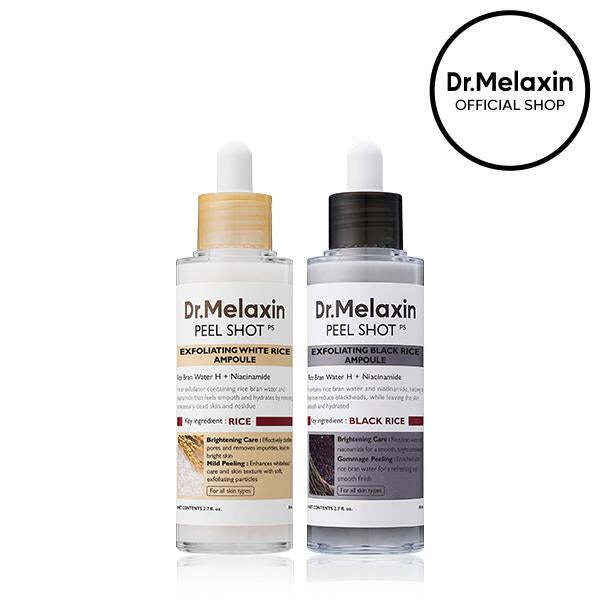
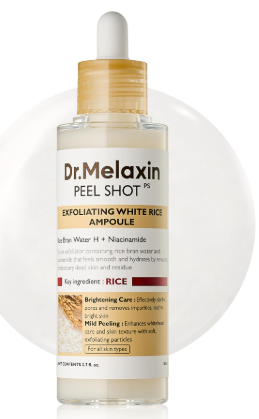
During the initial 6-week glass skin building phase, I added an ampoule for concentrated active delivery. The Black Rice Ampoule was my go-to — the anthocyanin-rich fermented extract provides both brightening and antioxidant protection that contributes directly to the glass skin luminosity. Apply 3-4 drops after your serum step.
Step 7: Eye Cream
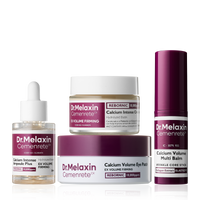
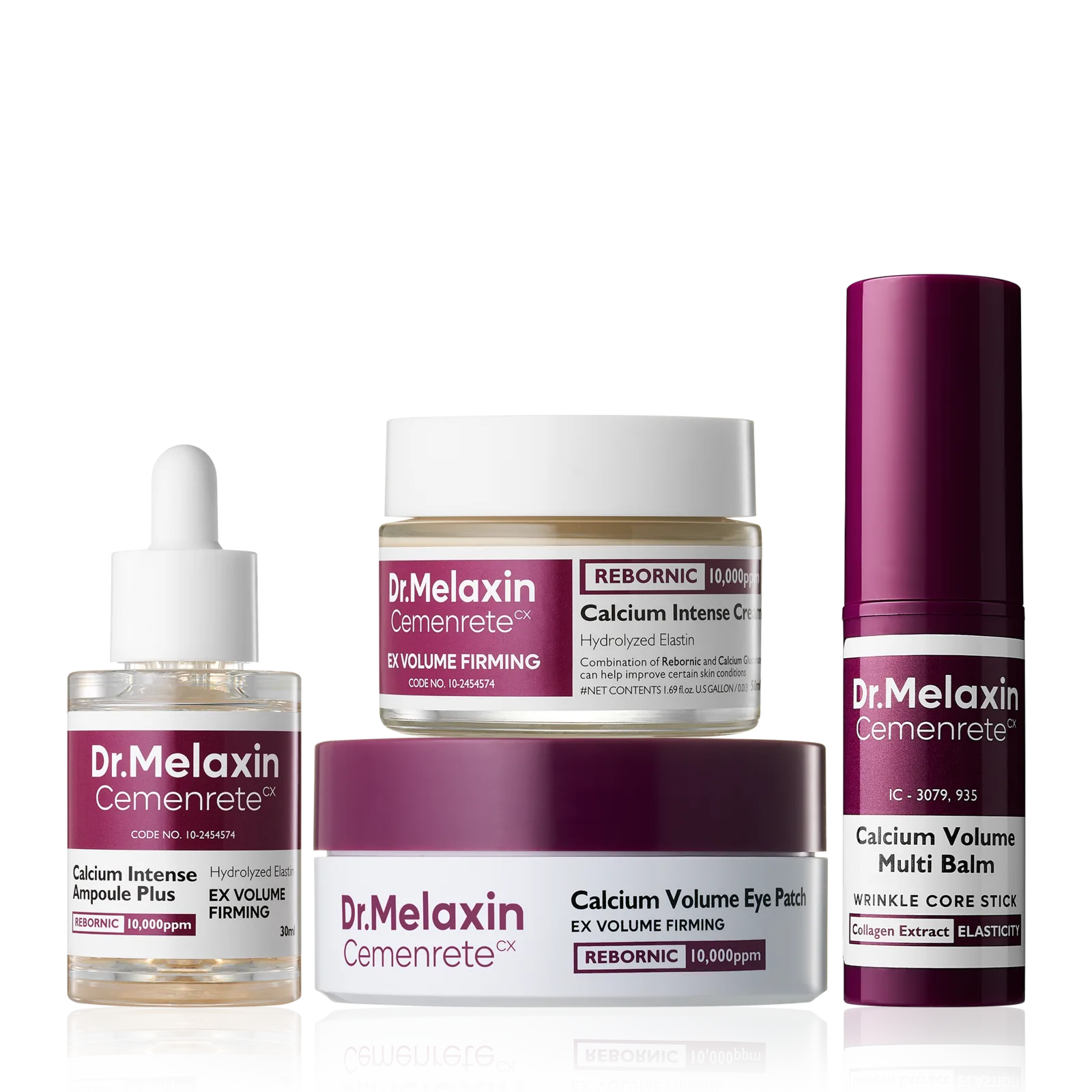
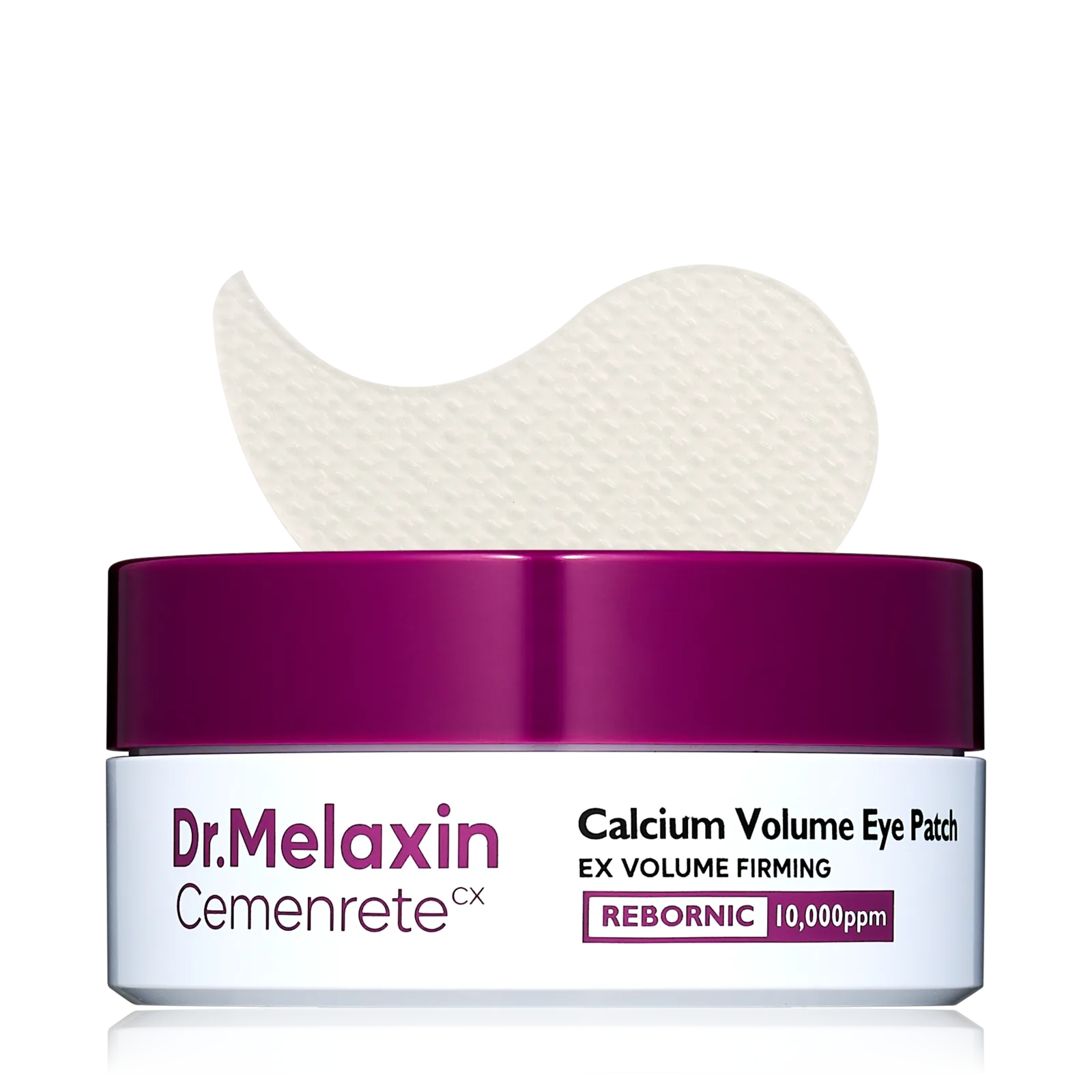
The under-eye area is often the weakest link in glass skin — dark circles, fine lines, and puffiness break the effect. Use a dedicated eye cream that addresses your specific under-eye concerns. The Eyephalt treatment targets eye bags and puffiness, while the TX Retinalsome Eye Cream addresses fine lines and dark circles.
Step 8: Moisturizer
Seal everything with a moisturizer that provides occlusive protection without heaviness. The Aqua Ion Plasma Hydrating Gel Cream is my glass skin moisturizer — it's a gel-cream texture that hydrates without creating a heavy layer that could interfere with the translucent finish. The key is locking in all the hydration layers below without adding opacity.
Step 9: SPF (Morning Only)
SPF 50+ PA++++ every single morning. UV damage is the primary cause of uneven pigmentation and texture degradation that destroys glass skin. A cosmetically elegant sunscreen that doesn't leave a white cast or matte finish is essential — you want protection without sacrificing the luminous finish you've built.
My 8-Week Glass Skin Transformation
Week 1-2: Purging the Foundation
The first two weeks focused on consistent double cleansing and introducing the Peel Shot exfoliation twice weekly. My skin went through a brief adjustment period — slightly more breakouts in week one as the deep cleansing drew out congestion. By week two, pores were visibly cleaner and skin texture had started smoothing.
Week 3-4: Hydration Building
By week three, the layered hydration approach was producing a noticeable plumpness — my skin looked "full" in a way that single-product moisturizing never achieved. The 7-skin toning method combined with snail mucin and the black rice ampoule created a hydration depth that persisted through the entire day. Fine lines around my eyes appeared softer simply from the hydration — before any active anti-aging treatment.
Week 5-6: The Glow Emerges
Week five was the tipping point. The combination of consistent exfoliation (removing texture), layered hydration (creating plumpness), and brightening actives (evening tone) converged into what I can only describe as a visible luminosity. Friends commented unprompted. My foundation looked better with less product. The "glass" effect was genuinely emerging.
Week 7-8: Glass Skin Achieved
By week eight, my skin had a consistent translucent quality that didn't depend on lighting angle or product application. Even bare-faced, the skin reflected light evenly with minimal visible pores or texture. The Dr. Melaxin products had become permanent fixtures in my routine — particularly the Peel Shot for exfoliation and the Black Rice Ampoule for luminosity.
Common Glass Skin Mistakes
Over-exfoliating: In the pursuit of smooth texture, many people exfoliate too aggressively — daily chemical peels, physical scrubs, and retinoids all at once. This destroys your moisture barrier and causes inflammation that creates redness and texture. Exfoliate 2-3x per week maximum with gentle methods like bio-spicules.
Skipping exfoliation entirely: The opposite mistake — relying solely on hydration without exfoliating away texture. You can't achieve glass skin through hydration alone; the dead cell layer must be addressed.
Heavy products that create opacity: Thick creams, heavy oils, and matte sunscreens create a layer that blocks light transmission. Glass skin requires lightweight, translucent products that enhance rather than obscure your skin's natural luminosity.
Inconsistency: Glass skin is a maintained condition, not a permanent transformation. Skipping your routine for several days allows dead cells to accumulate and hydration to deplete. Consistency — especially with exfoliation and layered hydration — is non-negotiable.
Where to Buy
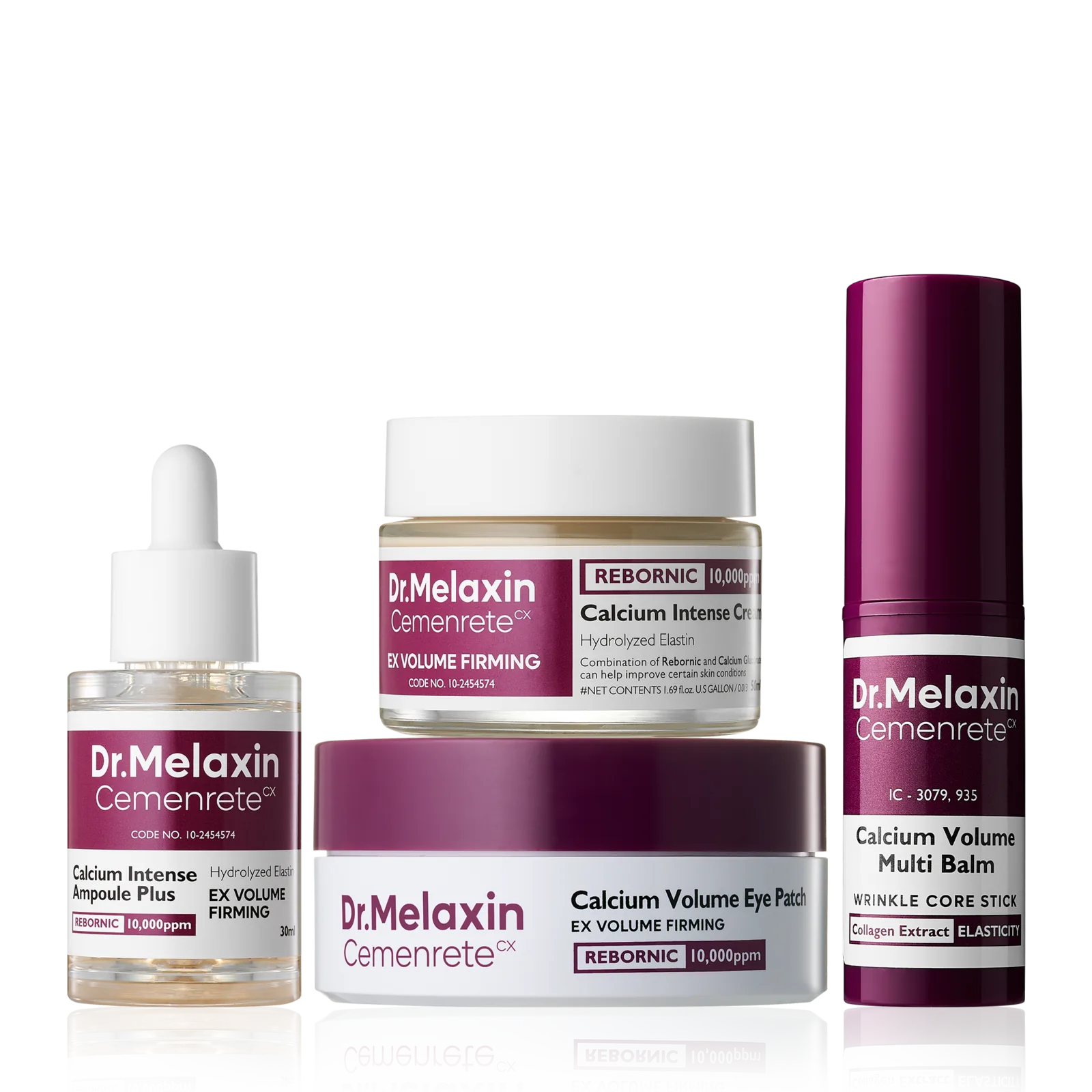
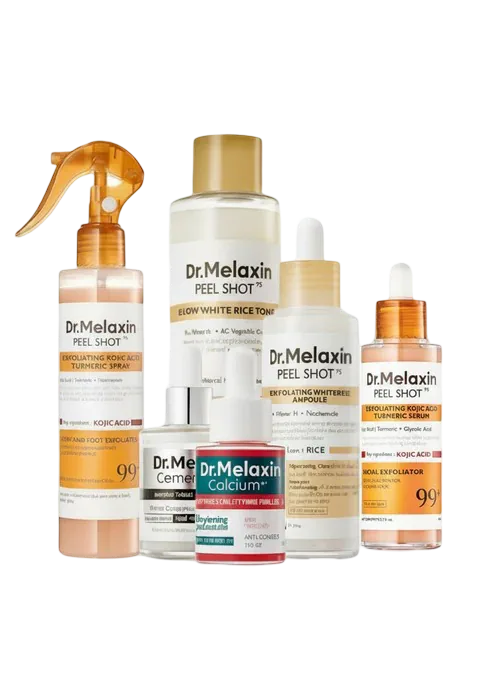
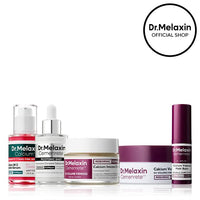
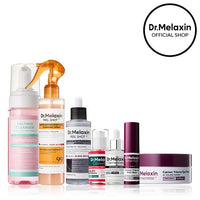
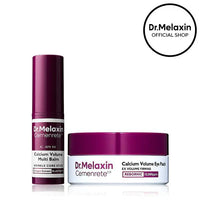
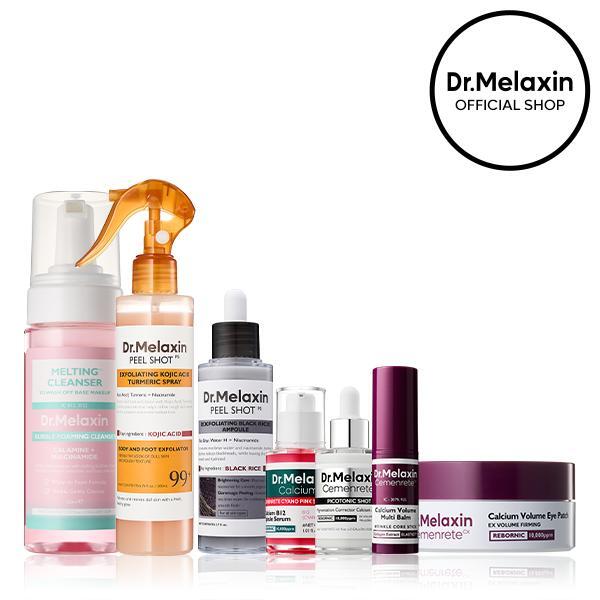
Building a glass skin routine requires products specifically formulated for layered application and translucent finish. The Dr. Melaxin collection was designed with K-beauty layering philosophy at its core — from the Peel Shot for exfoliation to the rice ampoules for luminosity. Purchase from authorized retailers to ensure product authenticity — counterfeit products with unknown ingredients can cause the skin damage that glass skin routines are designed to reverse. Check authenticity verification before buying.
Conclusion
A glass skin routine is the ultimate expression of Korean skincare philosophy — treating skin health as the foundation of beauty rather than covering imperfections with makeup. It requires patience, consistency, and the right products, but the results are genuinely transformative. Start with exfoliation and layered hydration, add targeted brightening and anti-aging actives, and give it 6-8 weeks. Glass skin isn't a myth — it's a protocol.
FAQs
How long does it take to get glass skin?
With a consistent routine, expect visible improvement at 3-4 weeks and genuine glass skin at 6-8 weeks. The timeline depends on your starting point — if you have significant texture or pigmentation to address, add 2-4 weeks. Regular exfoliation is the biggest accelerator.
Can oily skin achieve glass skin?
Absolutely — in fact, oily skin types often achieve glass skin faster because they have natural sebum production that contributes to luminosity. Focus on hydration (not moisture — they're different), oil-free layering products, and consistent exfoliation. Avoid heavy creams; use gel-cream formulations instead.
Is glass skin the same as dewy skin?
No. Dewy skin appears wet on the surface through products or natural oil. Glass skin appears translucent from within — it's a skin condition, not a surface effect. You can wash dewy skin off; glass skin persists because it comes from genuine skin health — smooth texture, deep hydration, and even pigmentation.
What is the most important step in a glass skin routine?
Exfoliation. Without removing dead cells and surface texture, hydration and brightening products can't create the smooth, light-refracting surface that defines glass skin. The Dr. Melaxin Peel Shot's bio-spicule technology is specifically designed for the controlled, non-inflammatory exfoliation that glass skin requires.