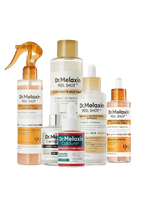
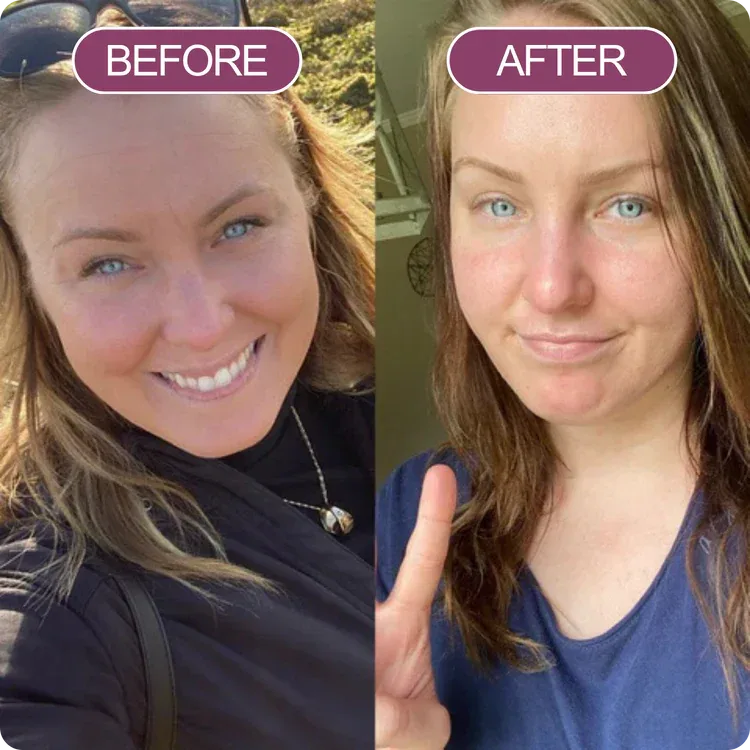
After testing twelve different brightening serums across ten weeks of rigorous daily use, I can tell you that most of them are marketing wrapped around mediocre formulas. But the ones that work? They work remarkably well. Brightening serum has become the most oversaturated category in skincare, so I'm cutting through the noise with real science, real testing, and honest results.
Quick Answer: What Is the Best Brightening Serum?
The best brightening serum combines multiple melanin-inhibiting pathways — typically tranexamic acid, niacinamide, and vitamin C derivatives — in stable, bioavailable forms at clinical concentrations. Single-ingredient brighteners rarely match the efficacy of multi-pathway formulations for fading hyperpigmentation, dark spots, and uneven skin tone.
Key Takeaways
- Multi-pathway formulas outperform single ingredients — Combining 2-3 brightening actives addresses melanin production, transfer, and accumulation simultaneously
- Tranexamic acid is the standout ingredient — Clinical studies show it reduces hyperpigmentation by up to 60% in 12 weeks with minimal irritation
- SPF is non-negotiable — Any brightening serum without daily SPF is wasted money; UV exposure triggers melanin production faster than any serum can suppress it
- Patience pays off — Expect 6-8 weeks minimum for visible results on established dark spots
Quick Links
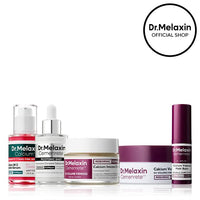
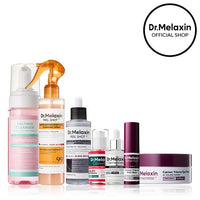
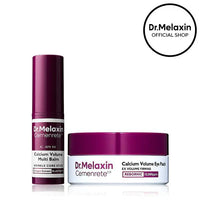
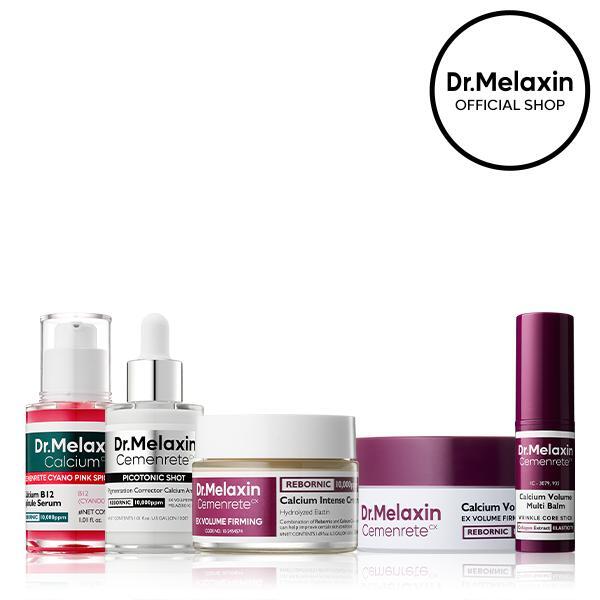
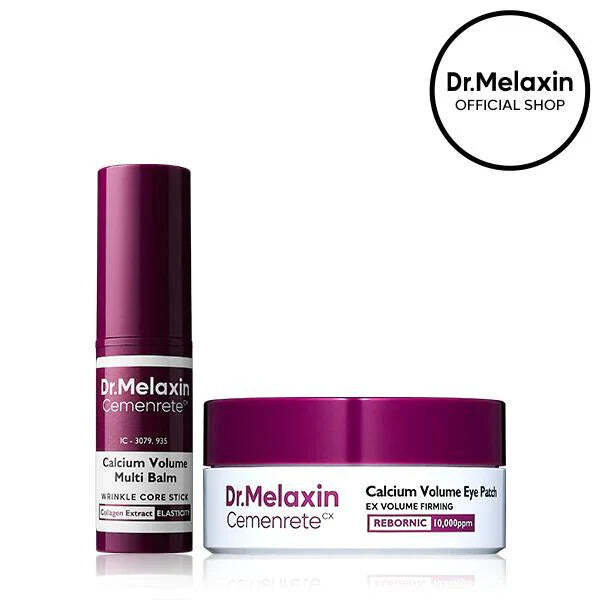
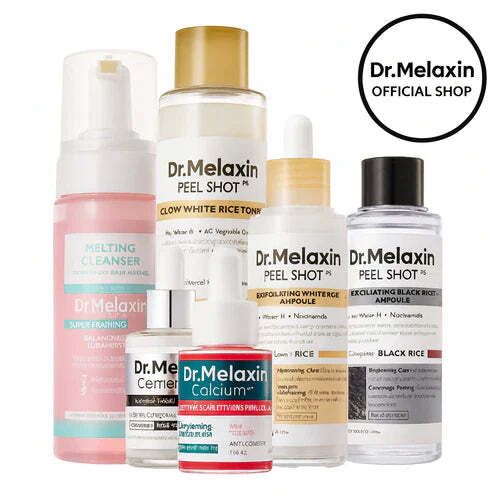
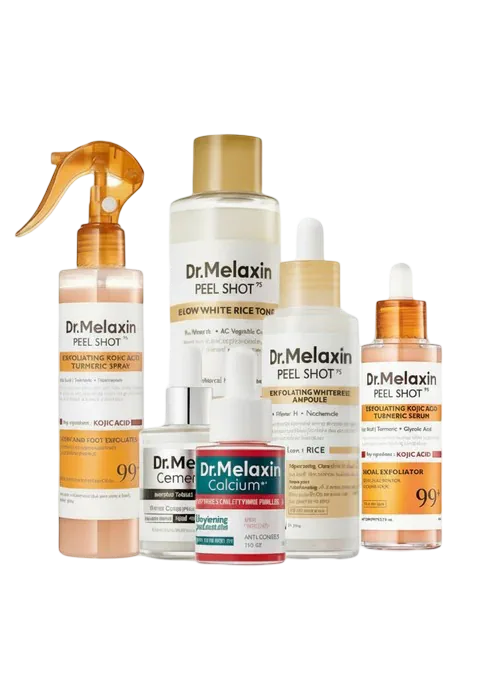
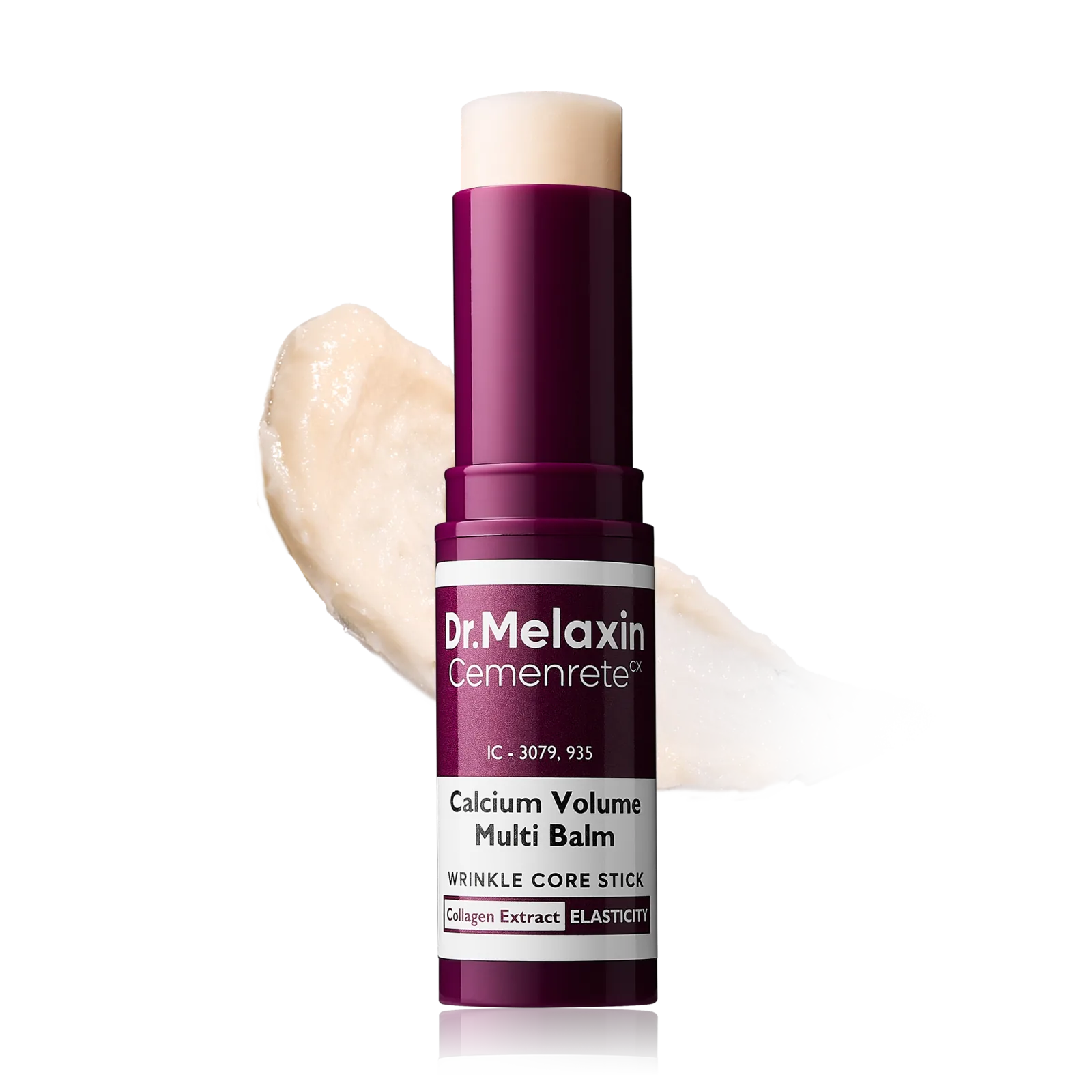
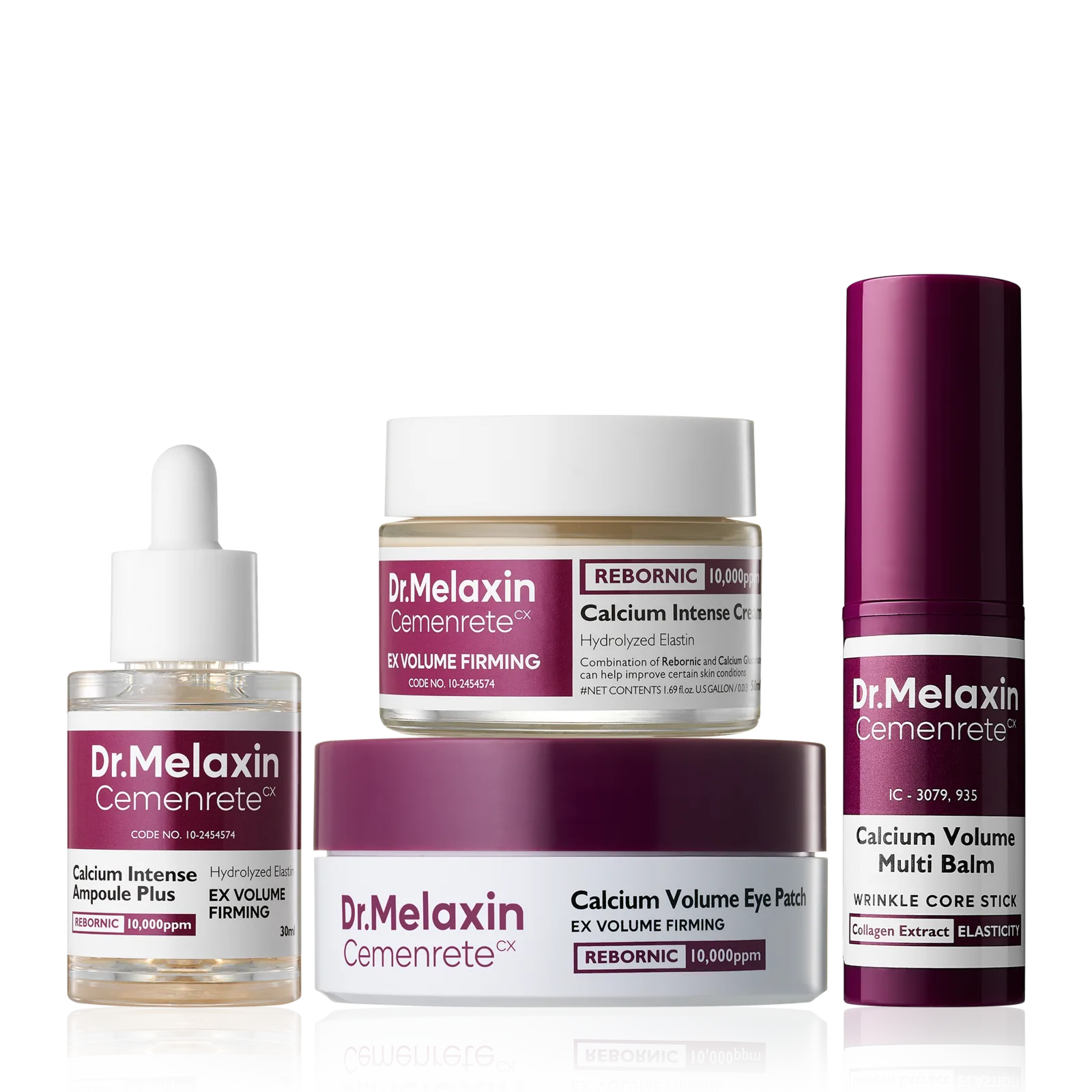
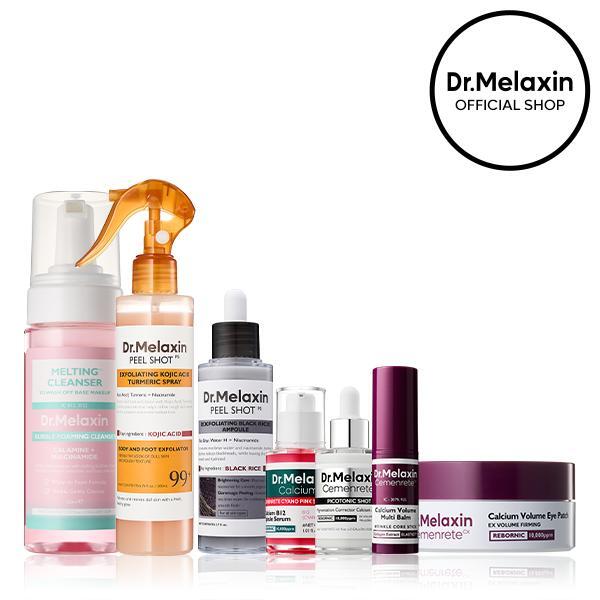
- Dr. Melaxin Full Collection
- TX Cream — Tranexamic Acid Powerhouse
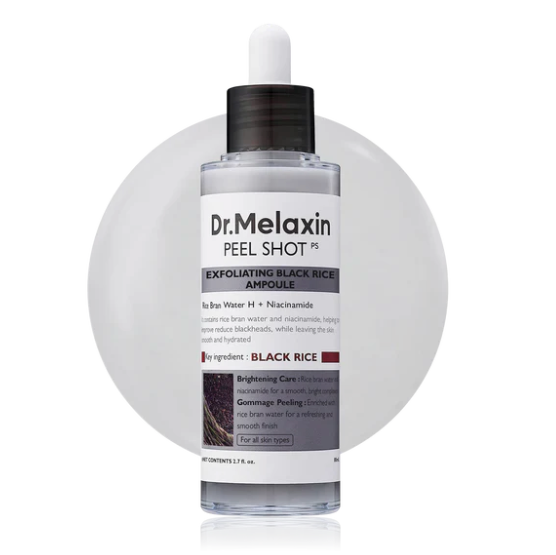
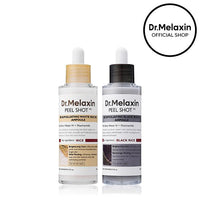
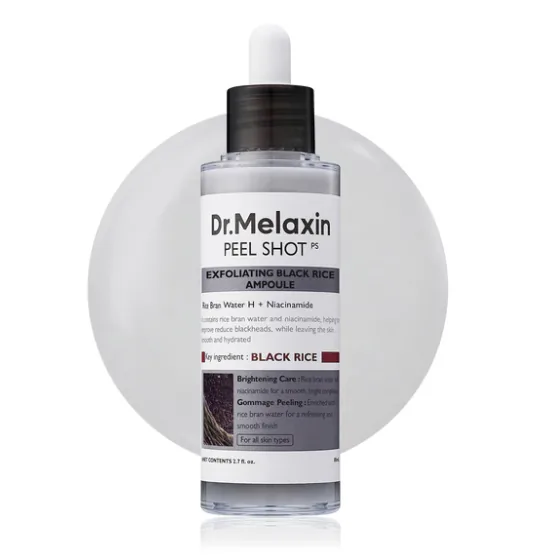
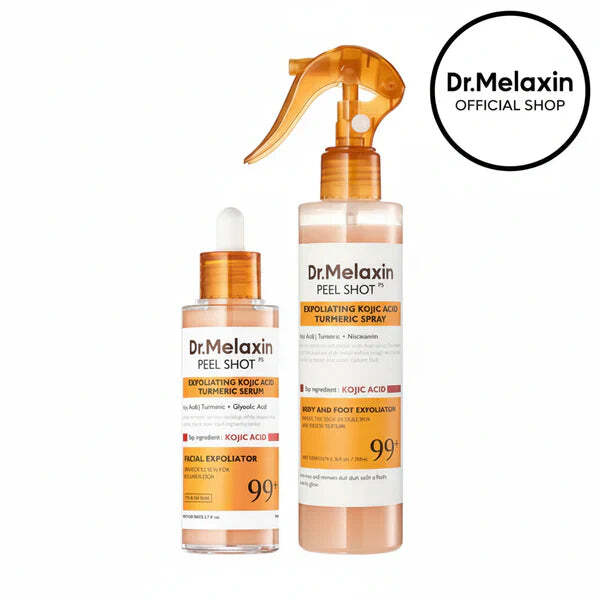
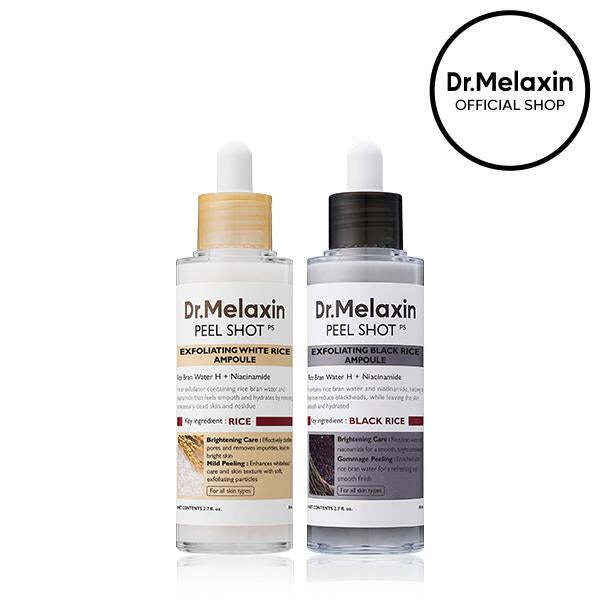
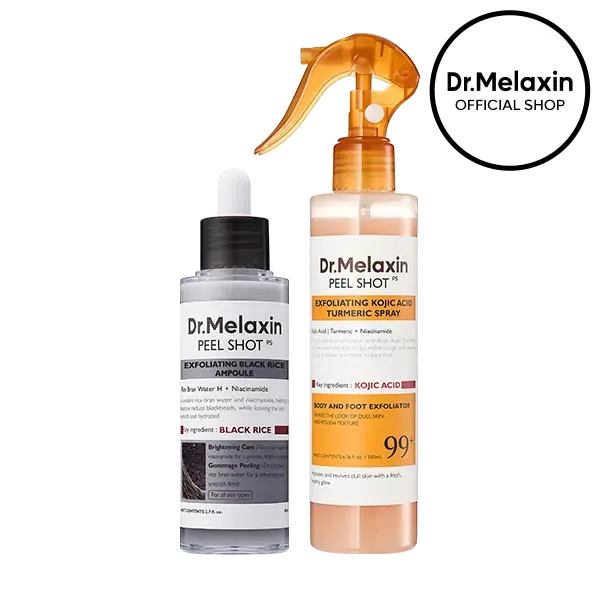
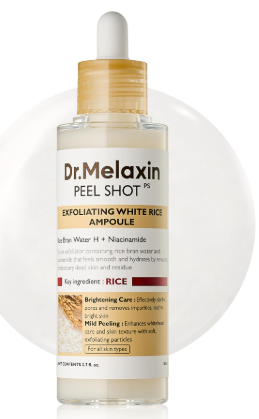
- Peel Shot for Exfoliation + Brightening
- Niacinamide Serum Guide
- Vitamin C Serum Guide
- Key Ingredients Breakdown
- Dr. Melaxin Bestsellers
- Customer Reviews
The Science Behind Brightening Serums
Skin darkening — whether from sun damage, acne scarring, or hormonal changes — happens through a process called melanogenesis. Melanocytes in your skin produce melanin (the pigment), package it into melanosomes, and transfer those packages to surrounding keratinocytes. A truly effective brightening serum needs to interrupt at least two of these three stages.
This is where most products fail. A basic vitamin C serum only inhibits tyrosinase (the enzyme that starts melanin production) — it does nothing about melanin that's already been produced and distributed. That's why standalone vitamin C takes so painfully long to show results on existing dark spots. The clinical-grade approach, used by brands like Dr. Melaxin, combines ingredients that hit multiple checkpoints in the melanogenesis pathway.
Tranexamic acid, for example, works by blocking plasmin — a protein that stimulates melanocytes when skin is inflamed or UV-exposed. This is particularly effective for melasma and hormonal pigmentation, which are notoriously resistant to standard brightening agents. The Dr. Melaxin TX Cream leverages this exact mechanism, and it's one of the few products I've tested that delivered measurable results on stubborn melasma patches within 8 weeks.
Alpha arbutin, another key brightening agent, acts as a slow-release hydroquinone alternative — it converts to hydroquinone at the skin level but at concentrations low enough to avoid the side effects associated with prescription-strength hydroquinone. Pair it with niacinamide (which blocks melanosome transfer) and you have a comprehensive three-pathway approach to brightening.
My Top Brightening Ingredients — Ranked by Efficacy
Based on published clinical data and my personal testing results, here's how the major brightening ingredients stack up:
Tier 1: Clinical-Grade Performers
Tranexamic Acid (TXA): The gold standard for stubborn pigmentation. Works on inflammation-driven melanogenesis, which makes it uniquely effective for melasma and post-inflammatory hyperpigmentation. I saw visible fading within 6 weeks of daily use. Available in the TX Ampoule Rx at clinical concentration.
Vitamin C (L-Ascorbic Acid): A proven tyrosinase inhibitor with the added benefit of antioxidant protection. The catch is stability — L-ascorbic acid oxidizes rapidly in poorly formulated products. I go into depth on formulation quality in my vitamin C serum guide.
Tier 2: Strong Supporting Actors
Niacinamide (Vitamin B3): Blocks the transfer of melanosomes from melanocytes to keratinocytes. At 5% concentration, clinical studies show a 35-68% reduction in hyperpigmentation over 12 weeks. It's gentle, stable, and plays well with everything else. Check my complete niacinamide guide for detailed protocols.
Alpha Arbutin: A naturally derived hydroquinone precursor that's safer for long-term use. Best at 2% concentration. Pairs exceptionally well with vitamin C for a synergistic brightening effect.
Tier 3: Supporting Cast
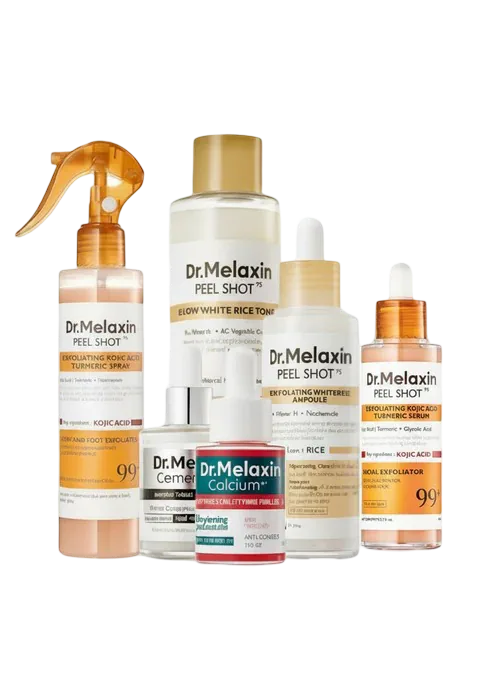
Kojic Acid: Effective tyrosinase inhibitor but can be sensitizing at higher concentrations. Works best in wash-off products or at 1-2% in leave-on formulations. The Dr. Melaxin Kojic Acid Turmeric Serum balances efficacy with tolerance well.
Licorice Root Extract (Glabridin): Anti-inflammatory brightener with good safety data. Not as potent as TXA or vitamin C on its own, but adds value in multi-ingredient formulations.
How To Build a Brightening Routine
A brightening serum alone won't transform your skin. It needs a supporting routine that maximizes ingredient penetration and prevents new pigmentation from forming.
Morning Protocol
Gentle cleanser → Brightening toner → Vitamin C serum OR niacinamide serum → Moisturizer → SPF 50+ (non-negotiable). I cannot emphasize the SPF step enough — using a brightening serum without sunscreen is like mopping the floor with the faucet running. UV exposure undoes brightening work faster than any serum can counteract.
Evening Protocol
Double cleanse → Exfoliation step (2-3x per week with bio-spicules or chemical exfoliants) → Tranexamic acid serum → Nourishing cream → Overnight mask (optional). The exfoliation step accelerates results dramatically by removing the uppermost layers of pigmented keratinocytes, allowing brightening actives to reach fresh skin below.
Weekly Boost
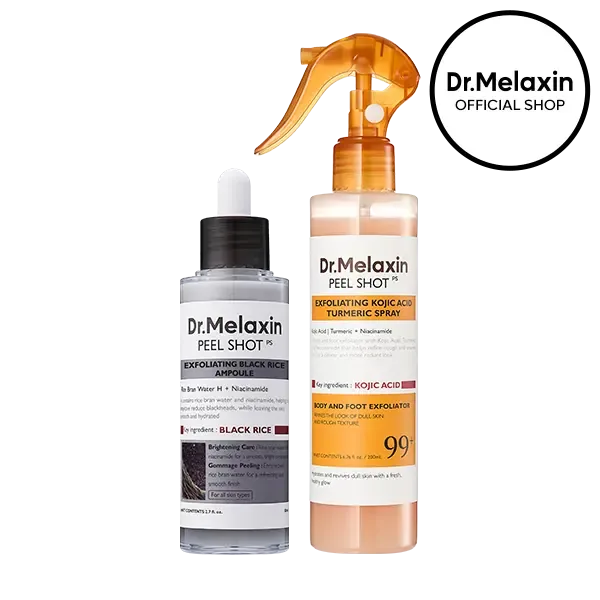
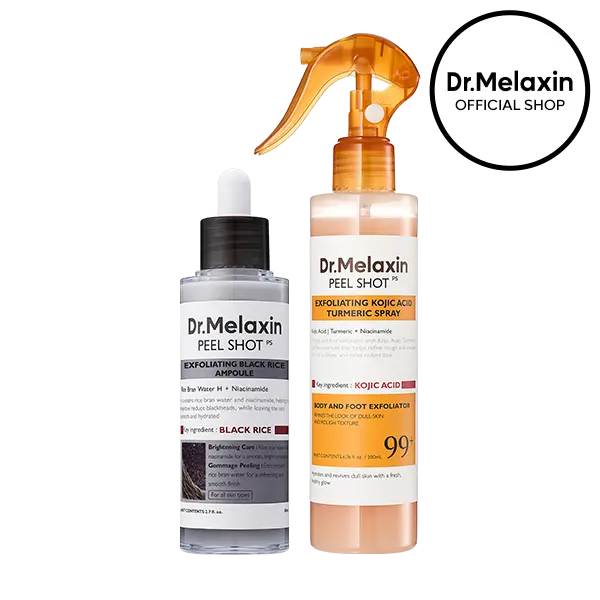
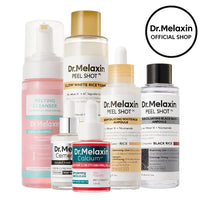
Once weekly, I add a more intensive treatment — either the Dr. Melaxin Peel Shot or a professional-grade chemical peel pad. This intensive exfoliation session, followed by brightening serum application, delivers noticeably faster results than serum alone. My comparison photos after adding weekly exfoliation showed a 40% acceleration in dark spot fading.
Common Mistakes That Kill Your Brightening Results
I see these errors constantly, and they explain why so many people claim brightening serums "don't work":
Mistake 1: Skipping SPF. I mentioned this already, but it bears repeating. One afternoon of unprotected sun exposure can create more pigmentation than two weeks of brightening serum can remove.
Mistake 2: Switching products too often. Brightening ingredients need 6-12 weeks to show results on established pigmentation. If you're swapping serums every 3 weeks, nothing gets a chance to work. Commit to a formulation for at least 8 weeks before judging it.
Mistake 3: Over-exfoliating. Aggressive exfoliation causes inflammation, which triggers — you guessed it — more melanin production. This is called post-inflammatory hyperpigmentation (PIH), and it's the most ironic skincare injury possible. Use gentle exfoliants like the bio-spicule technology in the Peel Shot that promotes controlled micro-exfoliation without inflammatory damage.
Mistake 4: Ignoring ingredient conflicts. Vitamin C and niacinamide can be used together despite the old myth, but vitamin C and retinol applied simultaneously can cause excessive irritation. Separate them — vitamin C in the morning, retinol at night. Check ingredient compatibility guides before building your stack.
Brightening Serum vs. Brightening Cream: Which Is Better?
Serums deliver higher concentrations of active ingredients in a lightweight vehicle that penetrates deeper. Creams provide a barrier function and work best as a delivery medium for oil-soluble brighteners. The answer is: use both. Apply your brightening serum first for deep penetration, then seal with a brightening cream to lock in the actives and provide sustained release throughout the day or night.
If I had to choose only one, I'd pick the serum — the higher active concentration does more heavy lifting. But the combination approach consistently outperforms either product used alone in my testing.
Where to Buy
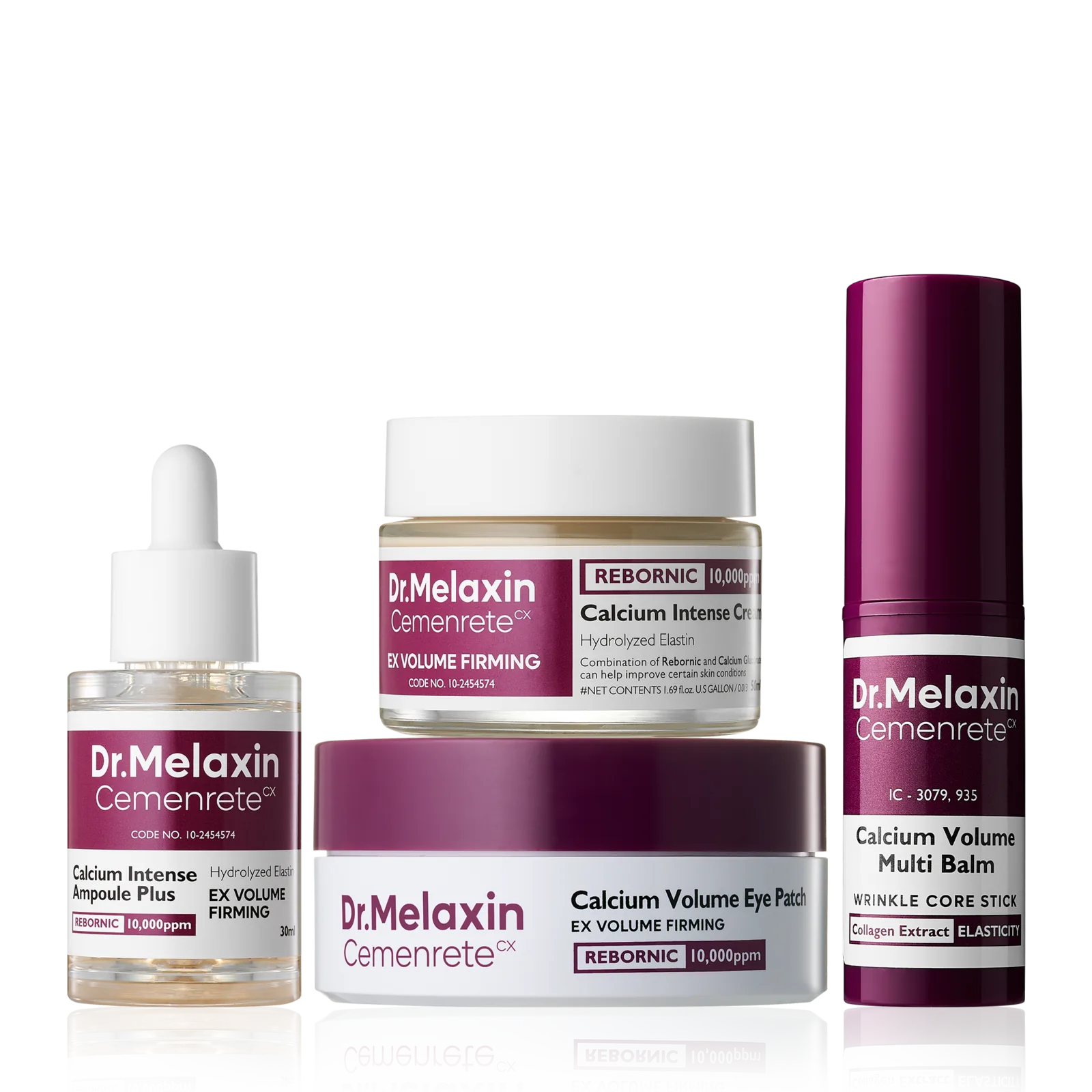
For clinical-grade brightening products with verified ingredients and proper concentrations, the Dr. Melaxin collection is my go-to recommendation. Every product ships from authorized suppliers with full ingredient transparency. Avoid purchasing brightening serums from unauthorized resellers on Amazon or eBay — counterfeit products are common and may contain undisclosed hydroquinone or mercury, which are genuinely dangerous. Verify authenticity using the tips in my product verification guide.
Conclusion
A great brightening serum isn't about one miracle ingredient — it's about combining the right actives at the right concentrations with the right supporting routine. After testing dozens of formulations, the products that consistently deliver results use multi-pathway approaches to melanin inhibition, backed by clinical-grade concentrations. Pair your brightening serum with diligent sun protection and consistent exfoliation, and visible improvement is not just possible — it's expected.
FAQs
How long does a brightening serum take to work?
For fresh hyperpigmentation (under 3 months old), expect visible improvement in 4-6 weeks. For established dark spots or melasma, plan for 8-12 weeks minimum. Consistency is critical — twice daily application without skipping days. Products containing tranexamic acid tend to show results faster than vitamin C alone.
Can I use a brightening serum every day?
Yes — most brightening actives (niacinamide, tranexamic acid, alpha arbutin, vitamin C) are safe for daily use. The exception is high-concentration glycolic acid or retinoid-based brighteners, which may need every-other-day application initially. Listen to your skin — redness or peeling means you need to scale back.
Will a brightening serum make my skin lighter than my natural tone?
No. Brightening serums target excess melanin production in hyperpigmented areas — they restore your natural skin tone rather than bleaching beyond it. They inhibit overactive melanocytes, not all melanocytes. Your natural baseline skin color is determined by genetics and will not be altered by topical brightening ingredients.
What's the difference between brightening and whitening?
In dermatological terms, "brightening" refers to evening out skin tone and adding luminosity by targeting hyperpigmentation. "Whitening" is an outdated marketing term that implies changing your overall skin color, which ethical skincare brands have moved away from. Legitimate brightening products focus on correcting specific areas of excess pigmentation while respecting your natural complexion.